
For LEGO enthusiasts looking to elevate their creations beyond simple stud-on-stud construction, mastering advanced building techniques like offset and jumper plate usage is absolutely essential. These methods allow builders to break free from the traditional LEGO grid, enabling the creation of incredibly detailed, realistic, and visually stunning models with nuanced textures, precise angles, and subtle shifts that truly bring designs to life. If you're an Adult Fan of LEGO (AFOL) or an aspiring MOC (My Own Creation) builder, understanding these techniques will unlock a new realm of creative possibilities, transforming your builds from good to truly exceptional.

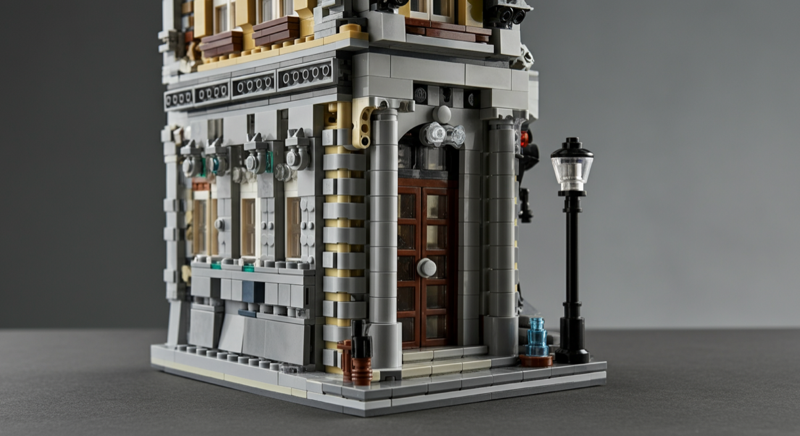
Immediately illustrates the aesthetic impact and complexity achievable with offset and jumper plate techniques, setting the visual tone and enhancing reader understanding of the article's core subject.

Unlocking Advanced Detail: What Are Offset and Jumper Plate Techniques?


In the vast and imaginative world of LEGO building, the standard method often involves stacking bricks directly on top of each other, aligning the studs perfectly. While effective for robust structures, this "on-grid" approach can sometimes limit the level of detail and realism achievable, especially when trying to replicate real-world architecture or intricate designs.

This is where advanced techniques like offset and jumper plates come into play, offering ingenious ways to place elements precisely where they're needed, even if it means breaking the standard grid.

The Concept of Offset Building

Offset building refers to any technique that places LEGO elements in a position that is not directly aligned with the standard stud grid. The most common form of offset is a "half-stud offset," which allows a piece to be shifted by half the width of a stud. This seemingly small shift has a monumental impact on the aesthetic and structural possibilities of a build, enabling:

  • Recessed Windows and Doors: Giving depth to architectural facades.
  • Intricate Wall Textures: Creating varied surfaces and patterns.
  • Non-Standard Angles: Achieving angles that aren't multiples of 90 degrees.
  • Precise Detailing: Placing small elements exactly where they look best, rather than where the grid dictates.

Offset techniques are often used in conjunction with SNOT (Studs Not On Top) building, which involves orienting studs in different directions (sides, bottom) to attach elements horizontally or even diagonally. By combining SNOT with offset, builders gain unparalleled control over their model's appearance.

The Magic of Jumper Plates

A jumper plate is a specialized LEGO plate, typically a 1x2 plate with a single stud in the very center. This unique design is specifically engineered to facilitate half-stud offsets, particularly when connecting to other plates or tiles.

  • When a jumper plate is placed on a standard 2xN plate, its single stud is precisely half a stud offset from the edge of the underlying plate.
  • This allows a subsequent element placed on the jumper plate to be positioned exactly half a stud away from the standard grid line, either horizontally or vertically depending on the orientation.
  • While a jumper plate itself is a 1x2 element, its single stud effectively provides a half-stud offset relative to the full 2-stud width of the plate. This can also be thought of as a "quarter-stud" shift if you consider the center-to-edge measurement.

Jumper plates are particularly crucial for creating detailed patterns, fine-tuning spacing between elements, or adding small, intricate details that would otherwise clash with the rigid stud grid. They are a go-to piece for advanced builders seeking precision.

Essential Techniques for Achieving Offset

While jumper plates are a dedicated tool for offset, many other common LEGO elements can be cleverly employed to achieve similar effects. Mastering these methods significantly expands your building vocabulary.

1. The Jumper Plate Method

As discussed, the 1x2 Plate with 1 Stud is the quintessential tool for half-stud offsets. Its central stud allows you to place another element half a stud inward from a standard grid line. This is incredibly useful for:

  • Creating stepped textures: By alternating jumper plates and regular plates.
  • Precise spacing: Ensuring elements like windows or decorative tiles are perfectly centered or offset.
  • Attaching small details: Giving miniature elements their own unique position.

2. The "Headlight Brick" (1x1 Brick with Stud on Side)

The LEGO Set 4070 (1x1 Brick with a stud on one side) is a workhorse in SNOT building and is equally vital for offsets. Its side-mounted stud is precisely half a stud away from the top stud of a standard brick. By attaching a plate or tile to this side stud, you automatically achieve a half-stud offset from the main structure.

Example Application: Creating recessed panels or attaching intricate borders that stand proud of a wall.

3. Plates with Clips and Bars

Elements like LEGO Set 48336 (Plate 1x2 with Handle) or LEGO Set 11090 (Plate, Modified 1x1 with Clip Light) can be used creatively. When a bar element (like a lamp post or a lever) is inserted into a clip, and that clip is attached to a stud, the position of the bar can often be manipulated to create subtle offsets or non-standard connections.

Advanced Use: Attaching sub-assemblies at odd angles or creating intricate mechanical details that don't conform to the grid.

4. SNOT Bricks and Brackets

Bricks with studs on multiple sides (e.g., LEGO Set 60478 (Brick, Modified 1x2 with Studs on 2 Sides)) or brackets (e.g., LEGO Set 99207 (Bracket 1x2 - 2x2)) are fundamental for redirecting the building direction. By attaching plates to the side studs of these elements, you can create sections that are offset from the main structure's vertical alignment, enabling complex textures and shaping.

Consider this: A wall built using SNOT techniques can have tiles attached to its side, which can then be further offset with jumper plates or other SNOT elements to add incredible depth and realism.

Why These Techniques Elevate Your MOCs

The ability to build off-grid is not just a technical challenge; it's a creative superpower that allows builders to achieve levels of realism and detail that are otherwise impossible. Here's why mastering offset and jumper plate techniques is a game-changer:

  • Increased Realism: Real-world structures rarely conform to a perfect grid. Offset techniques allow for subtle curves, varied wall depths, and intricate architectural details that closely mimic reality. Think of the complex facades of historic buildings or the varying textures of natural landscapes.
  • Enhanced Texture and Depth: By offsetting elements, you can create layers and shadows that add significant visual interest. A flat LEGO wall can become a dynamic surface with recessed windows, protruding cornices, or patterned brickwork, making the model feel more substantial and less "blocky."
  • Overcoming the "LEGO Grid": The fundamental constraint of LEGO is its stud-based grid. Offset techniques are powerful tools for breaking free from this limitation, allowing for non-standard spacing, unusual angles, and the placement of details that would otherwise be impossible within the strict grid system.
  • Miniature Scale Detailing: For micro-scale builds, where every stud counts, the ability to make half-stud or quarter-stud adjustments is critical for accurately representing intricate features that might only be a stud or two wide.
  • Advanced Structural Integrity: Sometimes, offsetting elements can also contribute to the stability or aesthetic flow of a model, allowing for more elegant connections or the integration of complex sub-assemblies.

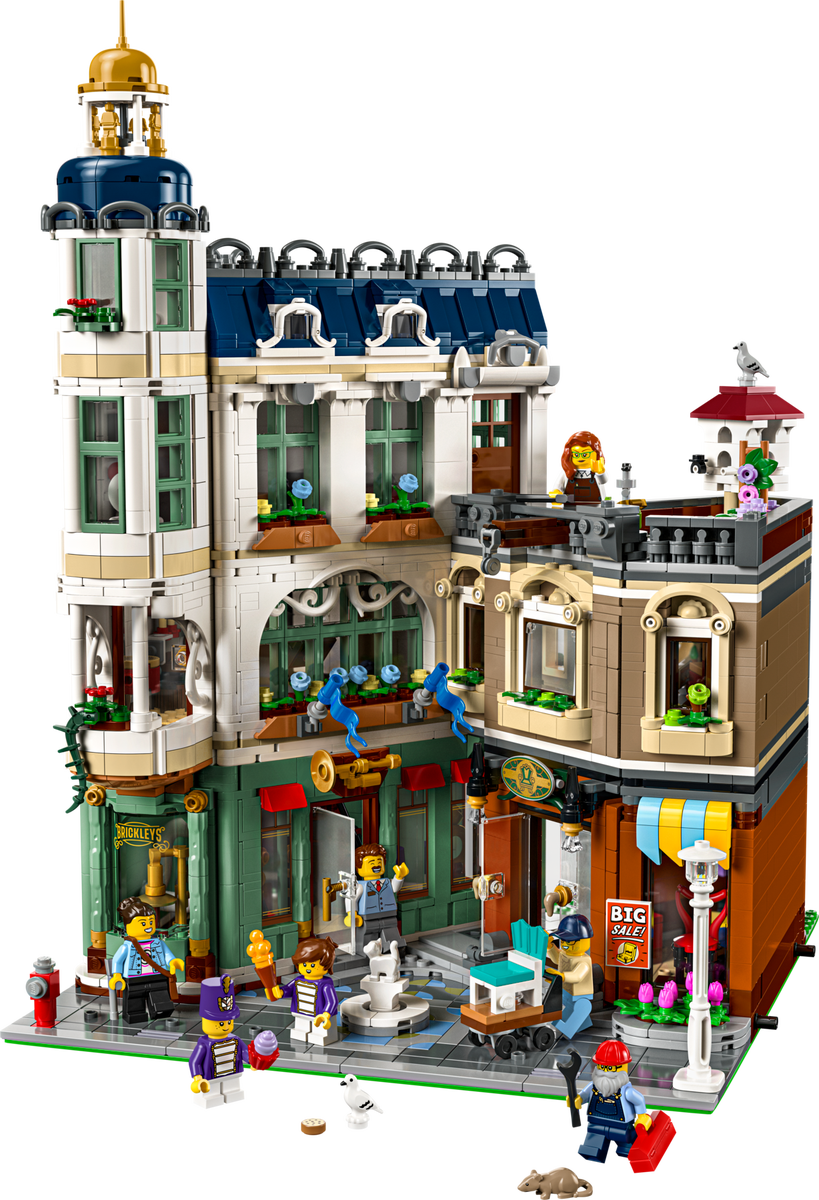
Visually demonstrates the enhanced realism, texture, and depth achievable with offset and jumper plate techniques, illustrating the core benefits discussed just prior to the image.

Showcasing Brilliance: Offset and Jumper Plates in LEGO Architecture Sets


The LEGO Architecture series is a masterclass in using advanced building techniques to capture the intricate details of real-world landmarks. These sets are not just models; they are educational journeys into the art of LEGO engineering, making them perfect for those looking to learn and apply offset and jumper plate techniques. They offer incredible examples of how subtle shifts can create breathtaking realism.

Recommended LEGO Architecture Sets for Advanced Builders:

1. Notre-Dame de Paris

  • Key Features: This monumental 4,382-piece recreation of the iconic Parisian cathedral is a testament to intricate architectural modeling. It meticulously captures the Gothic spires, rose windows, and flying buttresses.
  • Why it's Recommended: The complex Gothic architecture of Notre-Dame demands extensive use of offset and SNOT techniques to achieve its delicate tracery, varied wall depths, and the nuanced angles of its many features. Expect to see jumper plates used for window details and half-stud offsets for the intricate stonework and roof lines. This set is a masterclass in micro-detailing on a grand scale.
  • Perfect For: Experienced AFOLs and architecture enthusiasts who relish a challenging build and want to observe advanced techniques in action within a highly detailed model.

2. Neuschwanstein Castle

  • Key Features: At 3,455 pieces, this stunning model captures the romantic, fairytale essence of Germany's famous castle. It features multiple towers, intricate turrets, and varied facades.
  • Why it's Recommended: The organic, non-linear design of Neuschwanstein Castle necessitates creative offsetting. Look for techniques used to create the tapering turrets, the varied window placements, and the subtle shifts in the stone textures across its many walls. Jumper plates will be crucial for achieving the nuanced spacing of decorative elements and crenellations.
  • Price Point: Often available around $279.99, it offers excellent value given its piece count and display presence.
  • Perfect For: Builders who appreciate historical architecture and want to explore how to create complex, organic shapes using a range of advanced techniques.

3. Himeji Castle

  • Key Features: This 2,125-piece model beautifully captures the distinctive white walls and layered, sloping roofs of Japan's most iconic castle.
  • Why it's Recommended: The unique "swooping" curves of Himeji Castle's roofs are almost certainly achieved through clever SNOT and offset techniques, allowing plates and tiles to be angled and layered. The intricate internal structure and the delicate details of the castle's windows and defensive features will showcase precision building with jumper plates.
  • Perfect For: Fans of Japanese architecture and those looking to learn how to create elegant curves and intricate, multi-layered designs with LEGO.

4. Taj Mahal

  • Key Features: A magnificent 2,024-piece rendition of the iconic Indian mausoleum, known for its symmetrical design and intricate white marble details.
  • Why it's Recommended: While highly symmetrical, the Taj Mahal's intricate patterns, recessed arches, and the subtle tapering of its minarets are perfect opportunities for offset building. Jumper plates will be invaluable for achieving the detailed tiling patterns and the precise placement of decorative elements on the dome and main structure.
  • Perfect For: Builders who appreciate symmetrical, elegant designs and want to understand how to achieve complex surface detailing with precision.

5. Trevi Fountain

  • Key Features: This 1,880-piece model recreates Rome's baroque masterpiece, complete with its iconic statues, intricate facade, and flowing water effects.
  • Why it's Recommended: The dynamic, sculptural nature of the Trevi Fountain demands significant use of offset and SNOT techniques, especially for shaping the water, the intricate rockwork, and the many classical figures. Expect to see creative use of jumper plates for detailing the statues' bases and the architectural flourishes.
  • Price Point: At $159.99, it offers a moderately challenging build with stunning display potential.
  • Perfect For: Those interested in sculptural LEGO building and how to create organic forms and intricate details within a structured architectural model.

6. Architecture Studio

  • Key Features: This unique 1,211-piece set is not a specific model but a toolkit of white and transparent LEGO bricks, accompanied by an inspirational guidebook.
  • Why it's Recommended: This is arguably the BEST set for directly learning and experimenting with offset and jumper plate techniques. Without the pressure of following a specific model, you can freely explore how different elements connect, how offsets are achieved, and design your own micro-scale architectural elements. The guidebook provides principles that encourage these advanced methods.
  • Perfect For: Aspiring MOC builders, educators, or anyone who wants a hands-on, experimental approach to mastering advanced LEGO techniques.

7. Robie House and Fallingwater

  • Key Features: These iconic Frank Lloyd Wright designs (2,276 and 811 pieces respectively) are renowned for their cantilevered roofs, horizontal lines, and seamless integration with their environment.
  • Why they're Recommended: Wright's architecture is a perfect canvas for demonstrating advanced LEGO techniques. The distinctive horizontal planes, deep overhangs, and recessed window lines in both and PRODUCT_LINK[Item Number: 21005-1] are achieved through expert use of SNOT and offset. Builders will learn how to create subtle shifts in elevation and depth, crucial for replicating the Prairie Style.
  • Perfect For: Architecture aficionados and those keen on understanding how to achieve complex, layered, and horizontally expansive designs.

Quick Comparison of Top Architecture Sets for Advanced Techniques

Model Name Item Number Piece Count Best For Learning Key Technique Focus
Notre-Dame de Paris 4382 Intricate Gothic detailing & large-scale realism Complex SNOT, multi-layer offsets, fine detailing
Neuschwanstein Castle 3455 Organic shapes, varied textures, turrets Curved surfaces, angled connections, subtle wall shifts
Himeji Castle 2125 Elegant roof curves & Japanese architectural details Layered offsets, smooth transitions, precision spacing
Taj Mahal 2024 Symmetrical patterns & intricate surface textures Precise grid breaking, detailed tiling, subtle recesses
Architecture Studio 1211 Direct experimentation & fundamental principles Hands-on application of all offset and SNOT methods

What to Consider When Buying for Advanced LEGO Building

When selecting LEGO sets to enhance your advanced building skills, especially concerning offset and jumper plate techniques, keep these factors in mind:

  1. Complexity of the Model: Look for sets that depict complex structures, historical buildings, or highly detailed scenes. The more intricate the subject matter, the more likely the designers employed advanced techniques to capture its essence. Architecture sets like Notre-Dame de Paris or Neuschwanstein Castle are prime examples.
  2. Variety of Elements: While not a direct indicator, sets with a wide array of smaller, specialized pieces (like tiles, grille bricks, modified plates, and of course, jumper plates and SNOT bricks) often hint at builds that utilize more sophisticated techniques. A large brick count in itself isn't enough; look for diversity in part types.
  3. Focus on Realism and Detail: If a set is praised for its accuracy to a real-world counterpart, it's a good bet that offset and jumper plate techniques were used to achieve that fidelity. These techniques are crucial for replicating the nuanced shapes, depths, and textures found in actual architecture. Consider sets like Himeji Castle or Taj Mahal.
  4. Educational Potential: Sets like the Architecture Studio are designed specifically for learning and experimentation. While not a "model" in the traditional sense, it provides the tools and inspiration to develop your own techniques.
  5. Review and Designer Insights: Before purchasing, seek out reviews or designer interviews that specifically mention "advanced techniques," "SNOT," "offset," or "jumper plates." Many experienced builders or official LEGO designers will highlight these aspects when discussing complex sets.

Conclusion

Stepping into the world of offset and jumper plate techniques is a transformative journey for any serious LEGO builder. It's about moving beyond the obvious, embracing precision, and unlocking the potential to create models that are not just recognizable but truly breathtaking in their detail and realism. Whether you're aiming to recreate an architectural masterpiece or design your own intricate MOC, these advanced methods are your key to success.

We highly recommend exploring sets from the LEGO Architecture collection, as they consistently showcase these techniques in magnificent ways. Dive into the historical grandeur of Notre-Dame de Paris or the fairytale charm of Neuschwanstein Castle. For hands-on learning, the Architecture Studio is an unparalleled resource. Embrace the challenge, experiment fearlessly, and watch as your LEGO creations evolve from simple structures into works of art. Happy building!

Master advanced LEGO building with offset and jumper plate techniques! Learn how to create realistic details, textures, and angles. Discover top LEGO Architecture sets like Notre-Dame and Neuschwanstein Castle to elevate your MOCs.

LEGO advanced building, offset techniques, jumper plate techniques, LEGO Architecture, MOCs, SNOT, LEGO building tips, detailed LEGO models, Notre-Dame LEGO, Neuschwanstein Castle LEGO

Unlock incredible detail in your LEGO creations by mastering advanced offset and jumper plate techniques. This guide explores how these methods break the traditional LEGO grid, enabling stunning realism and intricate textures. Discover top LEGO Architecture sets that exemplify these techniques and learn how to elevate your own MOCs.

Q: What is the main difference between SNOT and offset techniques?
A: SNOT (Studs Not On Top) is a broad category of techniques where studs are oriented in directions other than upwards (e.g., sideways, downwards). Offset is a specific application within advanced building, often achieved with SNOT elements, that involves shifting elements by half a stud (or similar increments) from the standard grid. You can use SNOT without offset, but most significant offset techniques rely on SNOT elements to connect pieces off-grid.

Q: Are jumper plates essential for advanced LEGO building?
A: While not strictly "essential" for every advanced technique, jumper plates are incredibly versatile and indispensable for achieving precise half-stud offsets, especially for detailing, texturing, and fine-tuning spacing. Many advanced MOCs would be significantly harder or impossible to create with the same level of detail without them. Sets like Trevi Fountain demonstrate their utility in intricate designs.

Q: Which LEGO sets are best for a beginner to learn offset and jumper plate techniques?
A: The Architecture Studio is hands-down the best starting point as it encourages free building and experimentation with core principles. Smaller LEGO Architecture sets like Statue of Liberty or Empire State Building also offer excellent, scaled-down examples of these techniques in official builds.

Q: Can I combine offset and jumper plate techniques with other advanced methods?
A: Absolutely! Advanced LEGO building thrives on the combination of techniques. Offset and jumper plate usage are frequently combined with SNOT, brick-built textures, and even Technic elements to create incredibly robust and detailed models. The most impressive MOCs often layer multiple techniques to achieve their stunning realism and complexity.

Q: What does MOC stand for in the LEGO community?
A: MOC stands for "My Own Creation." It refers to any LEGO model that has been designed and built by an individual, rather than following official LEGO instructions for a specific set. MOC builders are often at the forefront of developing and applying advanced techniques like offset and jumper plate usage.

Q: How can I practice these techniques without buying a large set?
A: You can start by acquiring a variety of basic elements that facilitate these techniques: 1x2 jumper plates, 1x1 bricks with studs on the side (headlight bricks), and various SNOT bricks/brackets. Then, try to replicate small sections of detailed models you admire or experiment with creating textured walls and recessed windows on a small baseplate. Many online communities and tutorials offer mini-builds specifically for practicing these skills.

Q: Are there any specific challenges when using offset techniques?
A: The primary challenges include maintaining structural stability, especially if connections are only made by one or two studs, and ensuring overall alignment. It requires careful planning and often trial-and-error to ensure your off-grid elements are secure and aesthetically pleasing. "Greebling" (adding small, intricate details) often relies on offset but needs to be well-integrated to avoid looking messy.