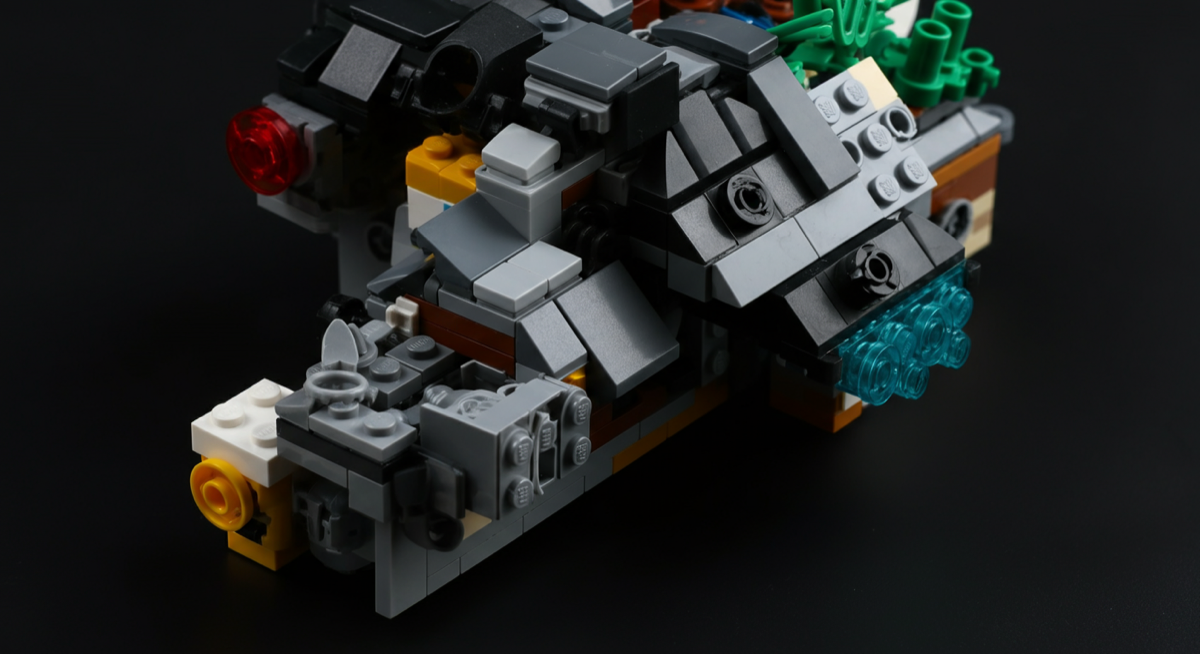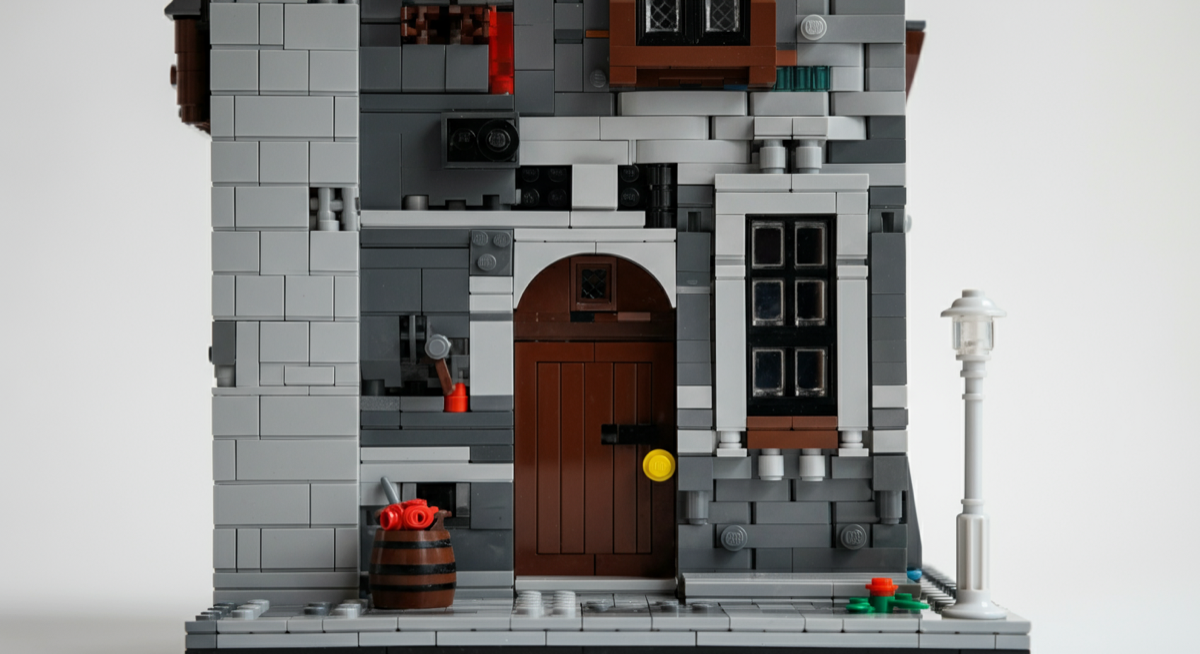

The LEGO SNOT (Studs Not On Top) building technique is a fundamental and transformative method used by builders to create models where the studs, the small cylindrical knobs that connect LEGO bricks, face in directions other than upwards. This ingenious approach allows for incredible detail, smooth surfaces, intricate textures, and complex angles that would be impossible with traditional stud-up building. Mastering SNOT unlocks a new dimension of realism and sophistication in your LEGO creations, enabling you to build everything from stunning architectural facades and detailed vehicles to lifelike sculptures and organic shapes. If you've ever wondered how LEGO models achieve such intricate, non-boxy designs, SNOT is often the secret ingredient.

What Exactly is SNOT Building? A Deep Dive into the Technique

At its heart, SNOT is about reorienting the primary building direction. Traditionally, LEGO bricks stack vertically, with studs always facing the sky. SNOT, an acronym for "Studs Not On Top," challenges this convention by utilizing specialized bricks and clever connections to build sideways, downwards, or at any angle imaginable. This technique allows builders to create surfaces that are smooth (anti-studs facing out), highly textured (studs facing out sideways), or intricately detailed in ways that mimic real-world objects with greater fidelity.

The "why" behind SNOT is simple: realism and aesthetic appeal. Standard LEGO building can sometimes result in blocky or pixelated designs. SNOT allows for:

  • Smooth Surfaces: By turning bricks sideways or upside down, the smooth sides or anti-studs can face outwards, creating sleek, stud-free exteriors perfect for modern architecture, vehicle bodies, or clean finishes.
  • Intricate Detail: Small elements can be attached to studs facing outwards in various directions, enabling the creation of detailed window frames, intricate patterns, lettering, or textured walls.
  • Complex Angles and Curves: SNOT connections are essential for achieving slopes, curves, and non-rectangular shapes that accurately represent real-world structures and objects.
  • Enhanced Stability: Often, SNOT techniques create incredibly strong and stable connections, adding structural integrity to advanced models.

Why SNOT is Essential for Advanced LEGO Building

For any serious LEGO enthusiast or aspiring Master Builder, SNOT is not just a trick; it's a cornerstone of advanced building. It's the technique that bridges the gap between simple, functional models and breathtaking, artistic masterpieces. Consider the level of detail in many of the larger LEGO Architecture sets; much of their realism is owed to expertly implemented SNOT techniques.

Key Takeaways:

  • SNOT dramatically expands the creative possibilities beyond traditional stacking.
  • It's crucial for achieving realism, intricate detail, and dynamic shapes.
  • It's a foundational skill for MOC (My Own Creation) builders looking to push boundaries.
  • Many advanced LEGO sets, especially in themes like Architecture, Creator Expert, and Technic, heavily rely on SNOT.

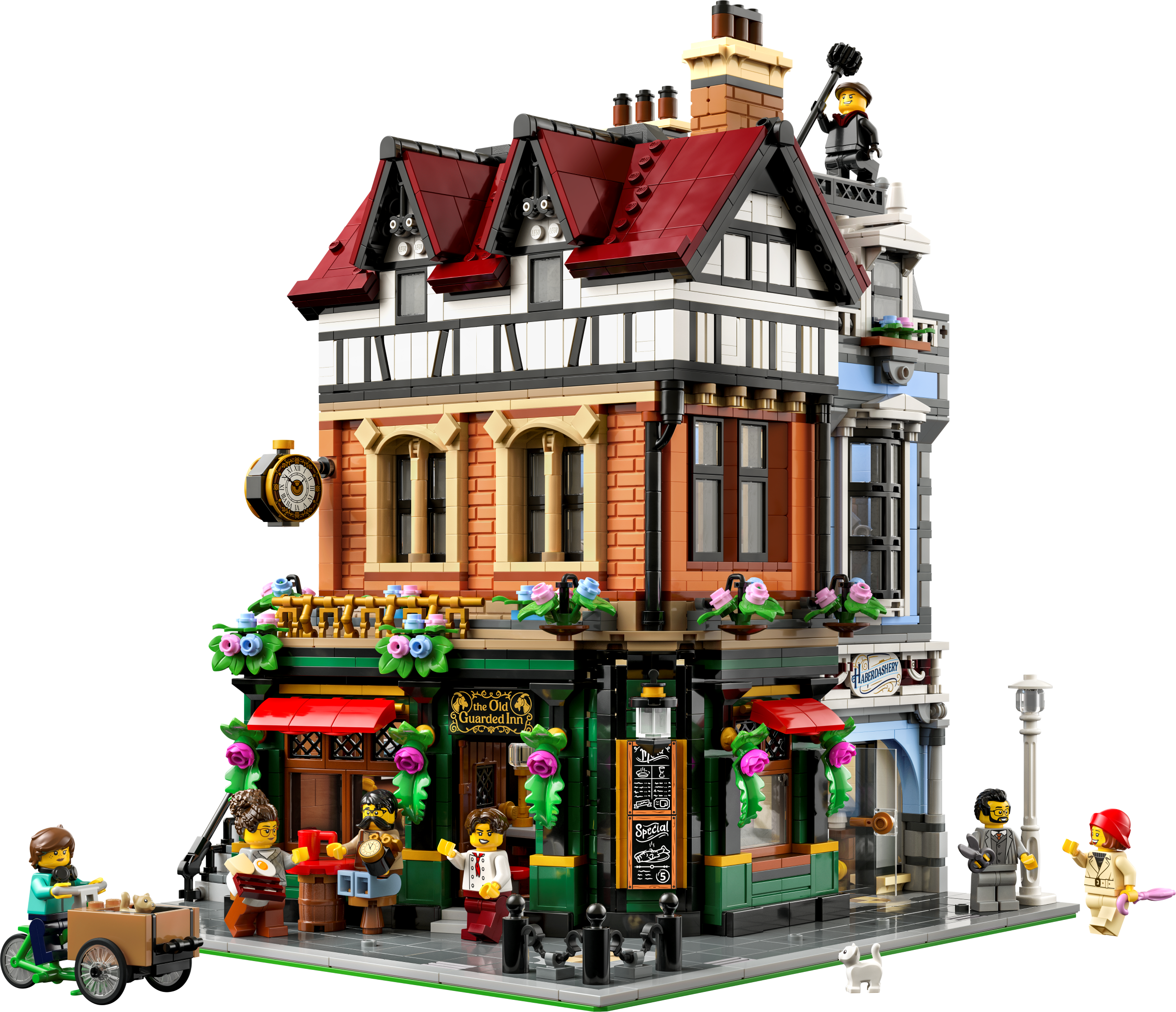
To visually demonstrate the SNOT technique by showcasing its results – smooth surfaces, intricate details, and varied orientations – within an architectural LEGO model, reinforcing the article's core concept.

Visually demonstrates the core concept of SNOT by showcasing its results – smooth surfaces, intricate details, and complex angles – in a finished architectural model, reinforcing the explanation given in the preceding text.

Key SNOT Bricks and Elements to Master


While almost any LEGO element can be used in a SNOT application, some bricks are specifically designed to facilitate these sideways connections. Understanding these "SNOT enablers" is your first step to unlocking their power:


  1. Headlight Bricks (Brick 1x1 with a stud on 1 side): Arguably the most fundamental SNOT brick, this small but mighty piece allows you to convert vertical studs into a single horizontal stud. Essential for adding small details or creating attachment points.

  2. Brackets (e.g., Brick 1x2 – 1x2 with 2 studs on side, Plate 1x2 – 2x2 with 2 studs on side): These versatile elements provide multiple horizontal studs or a combination of horizontal and vertical studs. They are perfect for mounting larger sections sideways or creating robust connections.

  3. Modified Plates with Bars/Clips: Plates with clips (e.g., Plate 1x1 with clip light) or bars (e.g., Plate 1x2 with handle) are excellent for attaching elements at various angles or creating greebling (small details that add texture).

  4. Technic Bricks with Axle/Pin Holes: While primarily for Technic builds, these bricks can be integrated into System builds to provide sturdy SNOT connections using Technic pins and axles, allowing for rotational or articulated movement.

  5. Jumper Plates (Plate 1x2 with 1 stud): These plates offset a single stud by half a plate width, often used in conjunction with SNOT to achieve precise spacing and alignment for intricate details.

  6. Nexo Knights Shields/Tiles with Clips: These newer elements offer unique attachment points and are increasingly being used in advanced SNOT applications for their versatility.


Building up a good collection of these specialized SNOT bricks is highly recommended for anyone serious about improving their building skills. The is an excellent resource, though it focuses more on architectural elements and doesn't explicitly highlight SNOT pieces, it does provide a wide array of basic bricks that can be used to experiment.

Common SNOT Techniques Explained

Once you have the bricks, it's time to learn the techniques. Here are some of the most common SNOT applications:

1. Brick-on-Side (BoS) or Brick-Sideways

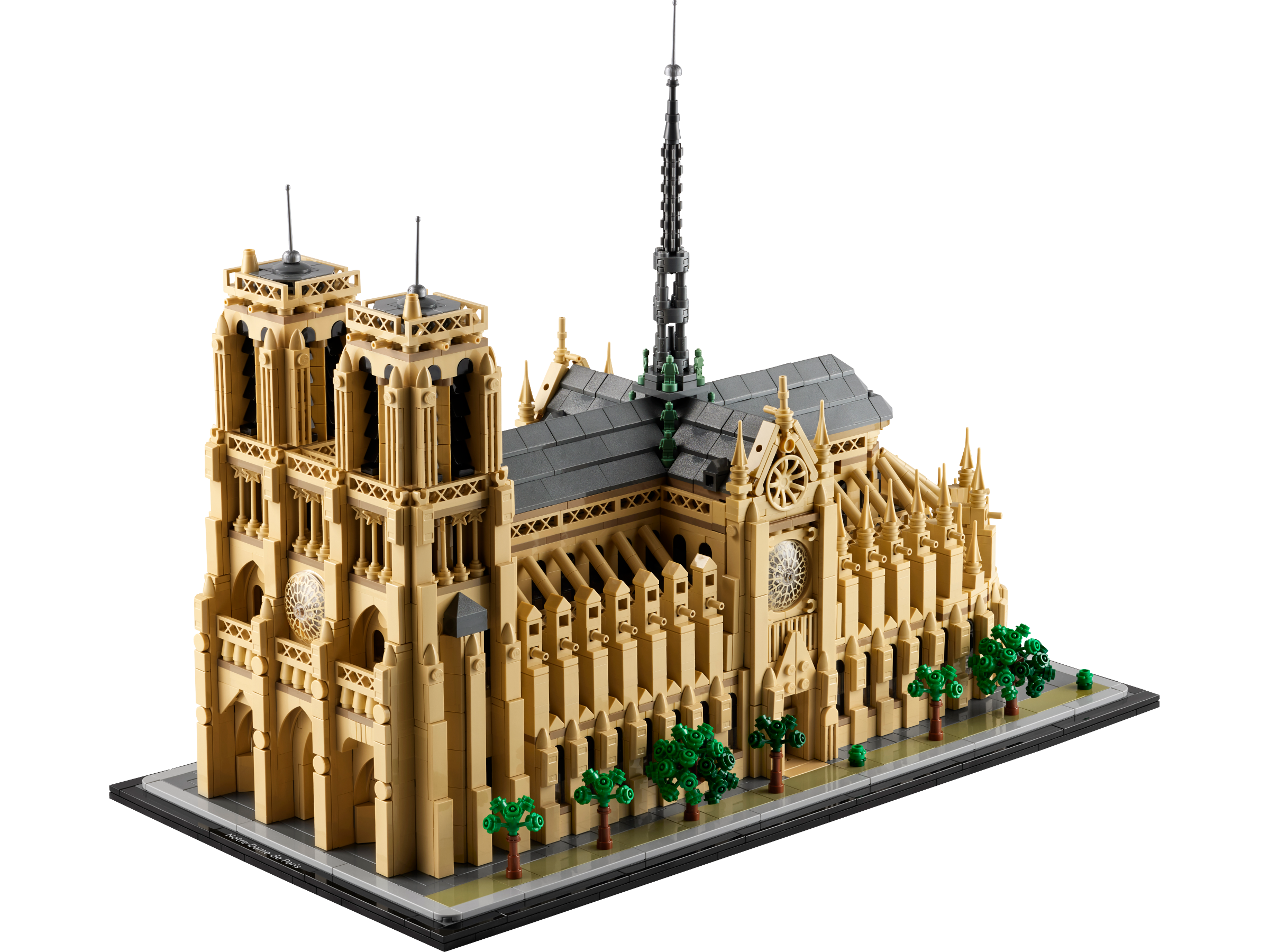
This is perhaps the most straightforward SNOT technique. Instead of stacking bricks on top of each other, you rotate them 90 degrees so their sides (or studs) face outwards. This is fantastic for creating textured walls, intricate patterns, or strong structural elements. Many of the detailed facades in sets like Notre-Dame de Paris use this principle to achieve their stunning stone textures and arched window details.

2. Upside-Down Building

Flipping a section of a build upside down is a common SNOT strategy. This allows builders to utilize the anti-studs (the hollow undersides of bricks) to create smooth surfaces or to attach elements from below. It's often combined with other SNOT techniques to connect sections that are oriented differently.

3. Brick-in-Brick (BiB) or Embedded SNOT

This advanced technique involves fitting a smaller brick into the hollow space of a larger brick, often using jumper plates or tiles for secure connection. It's used to create extremely flush or hidden SNOT connections, resulting in very clean and polished models. This can be seen in subtle detailing in sets like Himeji Castle, where intricate wooden structures or roof details are achieved with precision.

4. SNOT Gaps and Inversion

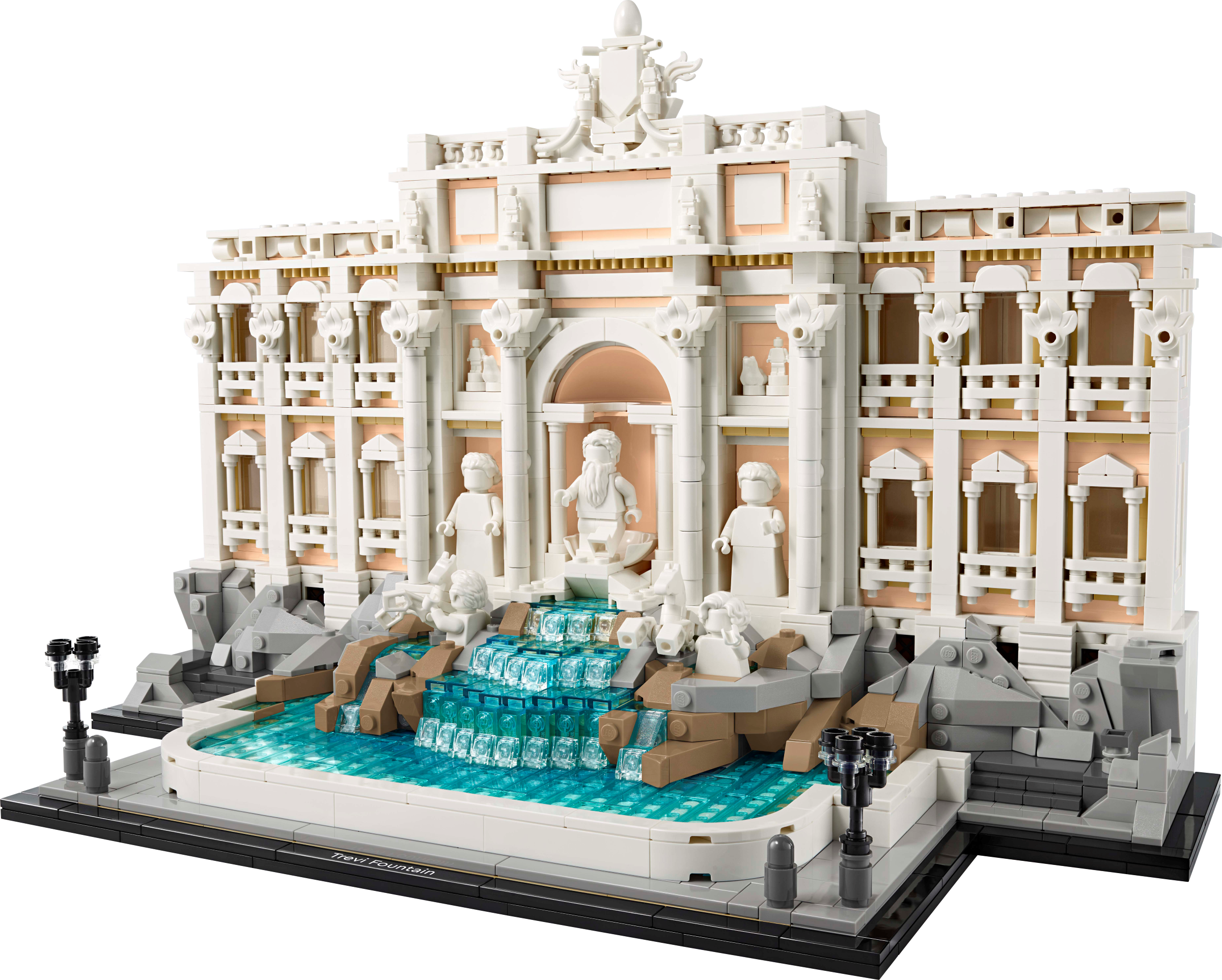
Sometimes, SNOT is used to create intentional gaps or to invert the direction of studs within a tight space. This is often seen in creating intricate window frames, railings, or machinery where specific spacing and attachment points are needed. The ornate details of Trevi Fountain, particularly its statues and water elements, would be impossible without such precise SNOT applications.

5. Using Technic Pins and Axles for SNOT

Technic pins and axles can be incredibly useful for connecting SNOT sections, especially when stability and rigidity are paramount. They allow for strong, flush connections between sections built in different orientations. This is more common in larger, more complex models that require robust construction.

Mastering SNOT: Official LEGO Architecture Sets as Your Guide

The LEGO Architecture theme is a goldmine for SNOT enthusiasts. These sets are designed for adult builders (typically 16+) and emphasize realism, intricate detailing, and challenging building techniques. They consistently feature advanced SNOT applications to replicate the complex facades, rooflines, and unique characteristics of iconic landmarks.

Top LEGO Architecture Sets for SNOT Exploration:

  1. Notre-Dame de Paris

    This monumental set, with its staggering 4382 pieces, is a masterclass in SNOT. Recreating the intricate gothic architecture of Notre-Dame demands extensive sideways building for its flying buttresses, rose windows, and highly textured stone facade. Builders will learn how SNOT is used to create curved elements, recessed details, and achieve an unparalleled level of realism in a large-scale model. This set is perfect for those who want to see SNOT pushed to its limits in an incredibly rewarding build.

    • Piece Count: 4382
    • Category: Architecture
    • Best For: Advanced builders, architecture enthusiasts, learning complex SNOT for intricate facades and curved structures.
  2. Neuschwanstein Castle

    Priced at $279.99 with 3455 pieces, this majestic castle is another SNOT powerhouse. Its fairytale towers, textured stone walls, and unique rooflines are brought to life through a sophisticated array of sideways and inverted building techniques. You'll encounter SNOT applications for creating turrets, battlements, and the varied textures that give the castle its distinctive look. This set is ideal for those who enjoy historical architecture and want to dive deep into multi-directional building.

    • Price: $279.99
    • Piece Count: 3455
    • Category: Architecture
    • Best For: Experienced builders, fans of castles and historical landmarks, mastering SNOT for complex organic shapes and varied textures.
  3. Himeji Castle

    With 2125 pieces, this stunning rendition of Japan's iconic Himeji Castle is an excellent example of SNOT's role in recreating distinct architectural styles. The set showcases how sideways building is used to achieve the castle's layered roof structures, delicate wall patterns, and intricate window designs. It's a fantastic set for understanding how SNOT can be employed for both aesthetic detail and structural integrity in a visually striking model.

    • Piece Count: 2125
    • Category: Architecture
    • Best For: Intermediate to advanced builders, those interested in Asian architecture, learning SNOT for complex rooflines and detailed facades.
  4. Taj Mahal

    The 2024 pieces offers a brilliant opportunity to explore SNOT in creating symmetrical, ornate details. The domes, minarets, and intricate carvings that adorn this wonder of the world heavily rely on studs facing multiple directions to capture their graceful curves and delicate patterns. It's a rewarding build that highlights how SNOT can be used to create both grandeur and subtle elegance.

    • Piece Count: 2024
    • Category: Architecture
    • Best For: Builders keen on symmetry and ornate detailing, understanding SNOT for curved and intricate architectural elements.
  5. Trevi Fountain

    This 1880-piece set, available for $159.99, is a fantastic example of using SNOT to create organic shapes and dynamic textures, particularly for water and sculptural elements. The flowing water, the intricate statues, and the baroque architectural details are achieved through a myriad of sideways and inverted connections, demonstrating SNOT's versatility beyond just flat facades.

    • Price: $159.99
    • Piece Count: 1880
    • Category: Architecture
    • Best For: Builders interested in sculptural elements, organic forms, and dynamic scenes using SNOT.
  6. Statue of Liberty

    With 1685 pieces, the is a superb example of SNOT for creating organic, flowing shapes. The folds of Lady Liberty's robes, the intricate details of her crown, and the texture of her torch are all brought to life through clever sideways building. It's a great set to see how SNOT can sculpt a figure rather than just building a structure.

    • Piece Count: 1685
    • Category: Architecture
    • Best For: Sculptural SNOT applications, creating flowing forms and intricate character details.

Other Notable Sets for SNOT Inspiration:

Quick Comparison Table: Top Architecture Sets for SNOT Mastery

Name Item Number Piece Count Best For SNOT Learning Price (Approx.)
Notre-Dame de Paris 21061-1 4382 Advanced facades, curved structures, intricate gothic details. $$$$
Neuschwanstein Castle 21063-1 3455 Organic shapes, varied textures, complex towers and roofs. $279.99
Himeji Castle 21060-1 2125 Layered roofs, delicate wall patterns, unique architectural styles. $$$
Taj Mahal 21056-1 2024 Symmetrical ornamentation, graceful curves, intricate carvings. $$$
Trevi Fountain 21062-1 1880 Sculptural elements, organic water forms, dynamic textures. $159.99

What to Consider When Buying for SNOT Building

Whether you're looking to practice SNOT with an official set or gather parts for your own creations, here are a few considerations:

  • Complexity of Detail: Look for sets that feature highly detailed facades, intricate statues, or complex curved elements. These are almost guaranteed to incorporate advanced SNOT techniques. The higher piece count Architecture sets (like or PRODUCT_LINK[Item Number: 21063-1]) are excellent for this.
  • Part Diversity: If you're building a collection for MOCs, prioritize sets or bulk purchases that include a good range of SNOT-enabling bricks: headlight bricks, various brackets, modified plates with clips/bars, and jumper plates. The offers a good foundation for general architectural exploration, which often includes parts useful for SNOT.
  • Age Range: Sets with an age range of 16+ or 18+ are more likely to feature sophisticated building techniques, including SNOT, as they are designed for experienced builders.
  • Theme Relevance: Architecture sets are a natural fit, but SNOT is also prevalent in Creator Expert vehicles, large display models, and even some intricate Technic builds.
  • Online Resources: Don't forget that many online communities, forums, and YouTube channels offer tutorials and examples of SNOT techniques. Observing how others implement SNOT can be incredibly valuable.

Conclusion

The SNOT building technique is a game-changer for any LEGO enthusiast eager to elevate their creations. It's the secret sauce that brings realism, intricate detail, and dynamic forms to life, transforming a stack of bricks into a work of art. By understanding the core principles, utilizing the right specialized elements, and practicing with expertly designed sets like the magnificent Notre-Dame de Paris or the enchanting Neuschwanstein Castle, you'll unlock a new realm of creative possibilities.

Embrace the challenge of SNOT, and watch as your LEGO models evolve from functional builds to truly stunning display pieces. Whether you're building iconic landmarks, detailed vehicles, or crafting your own unique MOCs, mastering SNOT will undoubtedly become one of your most valuable skills in the world of LEGO.

Master the LEGO SNOT (Studs Not On Top) building technique with our complete guide! Learn what SNOT is, why it's essential, and explore top LEGO Architecture sets to practice advanced building for realistic, detailed models.

LEGO SNOT, Studs Not On Top, LEGO building techniques, advanced LEGO, LEGO Architecture, MOC, LEGO guide, LEGO tips, Notre-Dame de Paris LEGO, Neuschwanstein Castle LEGO

Unlock next-level LEGO building with our complete guide to the SNOT (Studs Not On Top) technique. Discover how to create stunning detail, smooth surfaces, and complex angles, with product recommendations from the LEGO Architecture theme.

Q: What does SNOT stand for in LEGO building?
A: SNOT stands for "Studs Not On Top." It refers to any LEGO building technique where the studs of bricks are oriented in directions other than the traditional upwards, such as sideways, downwards, or at an angle, to achieve specific details, textures, or shapes.

Q: Why is SNOT important for advanced LEGO builders?
A: SNOT is crucial for advanced builders because it allows for greater realism, intricate detailing, and the creation of smooth surfaces and complex, non-rectangular shapes. It breaks free from the limitations of traditional stud-up building, enabling more accurate representations of real-world objects and architectural features.

Q: What are some common LEGO bricks used in SNOT techniques?
A: Key SNOT bricks include headlight bricks (1x1 with a stud on one side), various brackets (e.g., 1x2-1x2 with 2 studs on side), modified plates with clips or bars, and jumper plates. These elements provide the necessary connection points and offsets to build in multiple directions.

Q: Can beginners learn SNOT, or is it only for experts?
A: While SNOT can involve complex techniques, beginners can absolutely start learning it. Many official LEGO sets, particularly in the Architecture theme, introduce basic SNOT applications in their instructions. Starting with simple techniques like brick-on-side and gradually working up to more complex methods is a great way to develop this skill.

Q: Which LEGO themes or sets best showcase SNOT building?
A: The LEGO Architecture theme is arguably the best showcase for SNOT, as it heavily relies on these techniques to recreate realistic facades, intricate details, and varied textures of famous landmarks. Sets like Notre-Dame de Paris or Neuschwanstein Castle are prime examples. Creator Expert vehicles and large display models also frequently incorporate SNOT.

Q: What is the difference between SNOT and greebling?
A: SNOT refers to the technique of orienting studs in non-traditional directions. Greebling is the application of small, often complex, details to a model's surface to give it a more textured, industrial, or mechanical appearance. While greebling often utilizes SNOT techniques to attach these details, SNOT is a broader concept of directional building, whereas greebling is specifically about surface detailing.

Q: Does SNOT make LEGO models stronger or weaker?
A: SNOT can make LEGO models significantly stronger if implemented correctly, creating robust and interlocking connections that reinforce the structure. However, poorly executed SNOT with weak connections or excessive stress on individual studs can lead to weaker points. When done well, SNOT contributes greatly to a model's stability and durability.