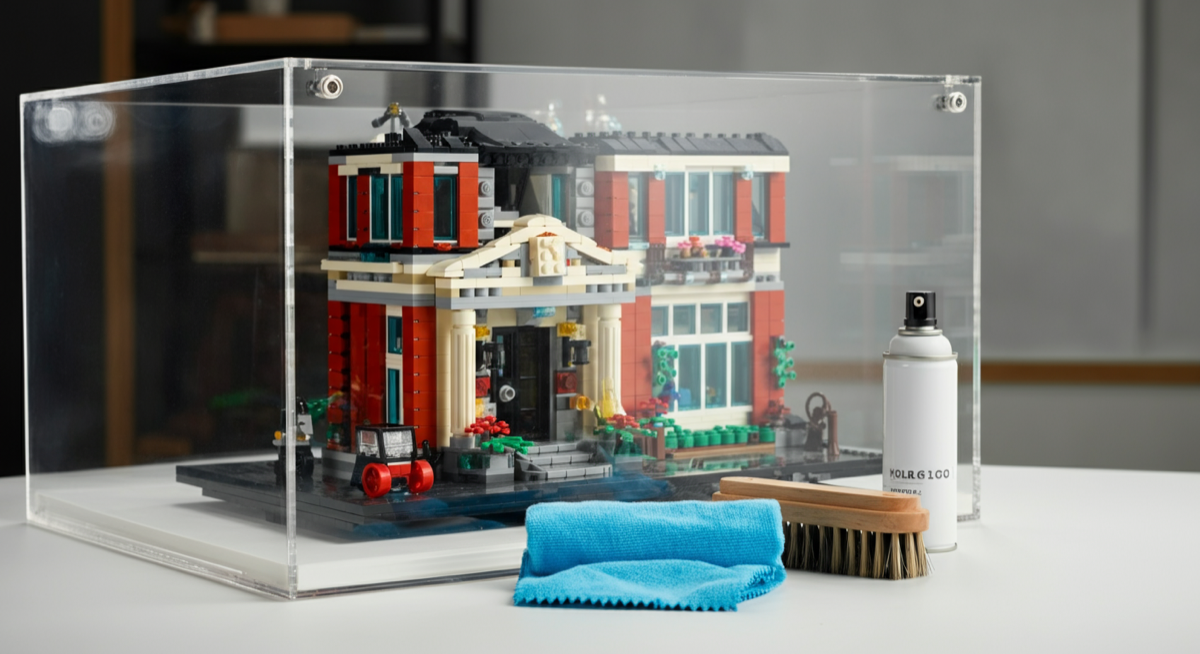
To effectively protect LEGO sets from dust, the most reliable methods involve either enclosing them in sealed display cases or regularly cleaning them with appropriate tools like soft brushes, compressed air, and microfiber cloths. Display cases offer a passive, long-term solution, while cleaning provides an active, periodic maintenance strategy to preserve the bricks' color, integrity, and aesthetic appeal. Choosing the right method depends on the display environment, the size of your collection, and your dedication to ongoing upkeep.

The Unseen Enemy: Why Dust is a Threat to Your LEGO Collection

There's nothing quite like the joy of completing a magnificent LEGO build. The intricate details, the vibrant colors, the sheer scale of some sets — they're truly works of art. But then, the invisible menace arrives: dust. Dust isn't just an eyesore; it's a silent threat to your cherished bricks. Over time, dust accumulation can dull colors, embed itself into the tiny crevices of bricks, and even contribute to the degradation of plastic, especially when combined with sunlight exposure. For collectors, particularly those with valuable or intricate sets like the Modular LEGO Store or the exclusive LEGO Inside Tour Anniversary Collection, preventing dust is paramount to maintaining both aesthetic appeal and potential historical value.

What is LEGO dust composed of? It's a mix of dead skin cells, textile fibers, pollen, soil particles, and various pollutants. When this settles on your LEGO, it creates a grimy layer that not only looks bad but can be surprisingly stubborn to remove without the right tools and techniques. Moreover, if left undisturbed, dust can attract moisture and even foster mold growth in extreme conditions, though this is rare. The goal is to prevent this build-up, ensuring your LEGO creations, whether it's a massive Giant Lego Topic Set or a detailed Lego Minifigure sculpture, remain pristine for years to come.

Quick Facts: The Impact of Dust on LEGO

  • Aesthetic Degradation: Dulls colors, obscures details, makes sets look dirty.
  • Physical Damage: Abrasive particles can micro-scratch bricks during cleaning if not careful.
  • Chemical Reaction: Can trap moisture and pollutants, potentially accelerating plastic degradation or yellowing over long periods.
  • Value Preservation: Clean, well-maintained sets historically retain their value better for collectors.
  • Display Quality: Enhances the overall visual impact of your collection.

The Ultimate Defense: LEGO Display Cases

For many serious collectors and enthusiasts, display cases are the gold standard for dust prevention. They act as a physical barrier, sealing your LEGO creations away from airborne particles, pet hair, and even curious hands. Not all display cases are created equal, however, and choosing the right one involves considering material, size, accessibility, and cost.

Types of Display Cases for LEGO

  • Acrylic Display Cases: These are often the most popular choice due to their clarity, lightweight nature, and relative affordability. They are less prone to shattering than glass and can be custom-made to fit specific sets, like a grand Bonus Lego Basic Town or a detailed LEGO Campus. Look for cases made from high-quality, UV-resistant acrylic to prevent yellowing of both the case and your LEGO over time. You can find excellent options by searching for acrylic LEGO display cases.
  • Glass Display Cabinets: For a more premium and permanent solution, glass cabinets offer superior scratch resistance and clarity. They often come with shelving and lighting options, making them perfect for showcasing an entire collection, perhaps including a LEGO Chess set or a series of mosaic art pieces like the Lego Mosaic Dino and Lego Mosaic Cat. While heavier and more expensive, their durability and aesthetic appeal are unmatched. Brands like IKEA offer popular and affordable glass cabinet solutions.
  • Custom-Built Cases: For unique or unusually large MOCs (My Own Creations) or special sets like the LEGO Factories National Animals, custom-built cases are often the best bet. These can be designed to precise dimensions and incorporate features like integrated lighting, rotating bases, or even climate control. While the most expensive option, they offer unparalleled protection and presentation.
  • DIY Enclosures: For the budget-conscious, simple DIY solutions like plastic storage bins with clear lids, or even carefully constructed cardboard boxes with clear acrylic windows, can offer temporary protection. While not as aesthetically pleasing or airtight as dedicated display cases, they are better than nothing for protecting sets like the The LEGO Story from immediate dust.

Recommended Display Solutions for Specific LEGO Sets

When considering a display solution, think about the set's size, value, and how often you'll want to access it. For intricate display pieces:

  • For the stunning Lego Mosaic Dino or the vibrant Lego Mosaic Johnny Thunder, a wall-mounted or tabletop acrylic case designed for art pieces would be ideal to keep the brick art dust-free and visible.
  • Large modular buildings like the Modular LEGO Store demand a spacious, sturdy display case, perhaps a glass cabinet that can house multiple buildings, allowing for an entire street scene to be protected.
  • Collector's items like the LEGO Inside Tour Anniversary Collection or the LEGO Campus benefit from high-quality, UV-protected acrylic cases to prevent both dust and sunlight-induced fading.
  • Sculptural pieces such as the Lego Minifigure or the majestic Lego Dragon look fantastic in individual, clear acrylic cubes that highlight their form while keeping them pristine.
  • For large universal building sets like the Giant Lego Dacta Basic Set or the Giant Lego Topic Set, which might be part of a larger diorama, a large, custom-sized acrylic cover or a multi-shelf glass cabinet is recommended.

Comparison of Display Case Types

Type Material Pros Cons Best For
Acrylic Case Acrylic Plastic Lightweight, clear, customizable, less fragile, often UV-resistant. Prone to scratches, can yellow over time if not UV-protected. Individual sets, mid-sized collections, cost-effective solutions.
Glass Cabinet Glass, Wood/Metal Frame Highly scratch-resistant, very clear, premium look, durable. Heavy, more expensive, fragile (can shatter), less customizable. Large collections, high-value sets, permanent displays.
Custom-Built Various (Acrylic, Glass, Wood) Perfect fit, unique features (lighting, rotation), superior protection. Most expensive, long lead times, may require professional installation. Unique MOCs, very large or unusually shaped sets, ultimate display.

Proactive Dust Prevention Strategies

Even without a full display case, you can take steps to minimize dust accumulation on your LEGO sets. These methods are particularly useful for sets that are frequently handled, like the LEGOLAND Park which might be part of an interactive play area, or smaller builds you like to rearrange.

Smart Placement and Environmental Control

  • Location, Location, Location: Avoid placing LEGO sets near open windows, vents, or high-traffic areas where dust is more prevalent. Rooms with carpet tend to generate more dust than those with hard flooring.
  • Air Filtration: Using an air purifier with a HEPA filter in the room can significantly reduce airborne dust particles, benefiting both your LEGO and your health!
  • Humidity Control: While not directly related to dust, maintaining a stable humidity level (ideally between 40-60%) can help prevent dust from sticking excessively to surfaces and also protect the plastic from becoming brittle.
  • Regular Room Cleaning: The less dust in the room, the less dust on your LEGO. Regular vacuuming, dusting surfaces, and cleaning floors will naturally reduce the dust burden on your collection.

Temporary Covers and Barriers

For sets that aren't permanently displayed in cases but still need protection:

  • Plastic Sheeting/Cling Film: For very temporary protection, especially during renovations or extended periods of absence, carefully draping thin plastic sheeting or even cling film over sets can create a quick barrier.
  • Fabric Covers: A custom-made fabric cover (e.g., from a soft, lint-free material) can protect sets from dust when they're not being actively viewed. This is particularly good for large, flat MOCs or dioramas.
  • Shelving with Doors: Even a simple bookshelf with glass doors can provide a good level of dust protection without the expense of a custom case.

Cleaning Dusty LEGO: Methods and Tools

Despite your best efforts, dust will inevitably find its way onto some of your LEGO sets. Knowing how to clean them properly is crucial to avoid damage and restore their original luster. Always handle your LEGO with care, especially older or more fragile models.

Essential Cleaning Tools

  • Soft-Bristled Brushes: An anti-static makeup brush or a dedicated LEGO cleaning brush is excellent for gently sweeping dust off surfaces and out of crevices. Look for brushes with very soft bristles to avoid scratching.
  • Compressed Air Duster: Cans of compressed air are fantastic for blasting dust out of hard-to-reach areas, like between studs or inside complex mechanisms. Hold the can upright and use short bursts to avoid moisture build-up and cold shock.
  • Microfiber Cloths: An electrostatic microfiber cloth can be used dry to gently wipe away dust from flat, accessible surfaces. They effectively trap dust particles without scratching.
  • Slime/Gel Cleaners: For very intricate areas, some collectors use automotive cleaning gel to pick up dust. Ensure it's a non-toxic, non-sticky formula designed for electronics or car interiors.
  • Vacuum Cleaner with Brush Attachment: For larger sets or collections, a vacuum cleaner on a low setting with a soft brush attachment can be surprisingly effective. Be sure to use a nylon stocking over the nozzle to prevent accidentally sucking up small pieces!

Step-by-Step Cleaning Process for Built Sets

  1. Initial Dust Removal (Dry): Start with a soft-bristled brush or compressed air to dislodge loose dust from all surfaces. Work from top to bottom. For sets with many small details, like the Lego Dragon, be extra gentle.
  2. Wiping Surfaces: For accessible flat surfaces, gently wipe with a dry microfiber cloth.
  3. Targeting Crevices: Use compressed air or a fine-tipped brush to get into tight spots. A soft paintbrush can also be effective.
  4. Stubborn Grime (Damp Cleaning - Use Sparingly): For truly stubborn dirt or grease spots, very lightly dampen a microfiber cloth with distilled water (or a mild, diluted soap solution, like dish soap). Wring it out thoroughly so it's barely damp, then gently wipe the affected area. Immediately follow with a dry cloth to prevent water spots. Avoid soaking the bricks, especially if they have stickers or electronics.
  5. Air Dry: Allow the set to air dry completely before returning it to its display area.

Cleaning Loose LEGO Bricks (for large quantities)

If you have a large bin of loose, dusty bricks, perhaps from a Giant Lego Dacta Basic Set that's been in storage, a different method is more efficient:

  1. Preparation: Place bricks in a mesh laundry bag or a pillowcase tied securely. Separate pieces with stickers, chrome, or electronics — these should be hand-cleaned.
  2. Washing Machine (Gentle Cycle): Place the bag of bricks in a washing machine with a small amount of mild detergent. Use a cold water setting on a gentle or delicate cycle. No spin cycle!
  3. Hand Washing (Alternative): For more control, immerse bricks in a tub of lukewarm water with a small amount of mild dish soap. Agitate gently with your hands or a soft brush. Rinse thoroughly.
  4. Rinsing: Rinse the bricks thoroughly under cool, running water until all soap residue is gone.
  5. Drying: Spread bricks out on a clean towel or mesh drying rack in a well-ventilated area, away from direct sunlight. Allow them to air dry completely. This can take several days.

Table of Recommended Cleaning Tools

Tool Best Use Pros Cons Link
Soft-Bristled Brush General dusting, intricate parts Gentle, precise, no chemicals Can miss embedded dust Soft LEGO Cleaning Brush
Compressed Air Hard-to-reach crevices, quick bursts Excellent for tight spots, no contact Can be expensive, cold shock risk, not eco-friendly Compressed Air Duster
Microfiber Cloth Flat surfaces, gentle wiping Traps dust, non-abrasive (when clean) Ineffective for crevices, must be clean Microfiber Cleaning Cloths
Cleaning Slime/Gel Picks up dust from complex textures Molds into shapes, effective for surfaces Can leave residue if low quality, not for deep crevices Cleaning Slime Gel
Vacuum w/ Brush Large sets, loose bricks (with stocking) Fast for large areas Risk of sucking up pieces, requires care Mini Vacuum with Brush Attachment

What to Consider When Buying a LEGO Display Solution

Investing in a display solution is an important decision for any LEGO enthusiast. Here are key factors to weigh before making a purchase:

  • Size and Scale: How large is the set you want to protect? Do you need space for a single large model like the Lego Mosaic Dino or an entire collection? Measure your sets carefully and compare them to the internal dimensions of potential cases. Remember to account for any future additions to your collection.
  • Material Quality: Acrylic, glass, or a combination? High-quality acrylic offers UV protection and light weight, while glass provides superior clarity and scratch resistance. For sets like the LEGO Inside Tour Anniversary Collection, UV protection is a significant benefit to prevent sun damage and yellowing.
  • Accessibility: How often do you need to access the set? Some cases have removable tops, others hinged doors. If you frequently interact with your sets, choose a case that allows for easy access without compromising dust protection.
  • Aesthetics and Integration: The display case should complement your home decor and enhance the look of your LEGO. Consider the style, frame material, and whether you want integrated lighting. A well-chosen display solution can turn your LEGO collection into a genuine focal point.
  • Budget: Display cases range widely in price from simple, off-the-shelf acrylic boxes to elaborate custom-built glass cabinets. Set a budget and explore options within that range. Remember that protecting your investment in LEGO can be worth the cost of a good display.
  • Assembly: Some display cases require significant assembly, while others come pre-assembled. Consider your comfort level with DIY projects.

Conclusion: Preserve Your Bricked Treasures

Your LEGO collection represents countless hours of building enjoyment, intricate design, and often, a significant investment. Protecting these brick-built masterpieces from the relentless assault of dust is not just about aesthetics; it's about preservation. Whether you opt for the robust, passive defense of a sealed display case for your prized Modular LEGO Store or commit to a regular, active cleaning regimen for your Lego Mosaic Johnny Thunder and other vibrant displays, the effort is undeniably worthwhile.

By understanding the different types of protection, choosing the right tools, and implementing smart cleaning habits, you can ensure your LEGO bricks remain vibrant, structurally sound, and ready to inspire for generations. Dive into our recommended products and find the perfect solution to keep your LEGO collection gleaming. Happy building, and even happier displaying!

Discover the best ways to protect your LEGO from dust! Explore top display cases, effective cleaning methods, and essential tools to keep your cherished sets pristine and vibrant.

LEGO dust protection, LEGO display cases, cleaning LEGO, dust prevention, LEGO care, acrylic display, LEGO cleaning tools, brick care, LEGO maintenance, product_link

Learn how to protect your LEGO collection from dust using effective display cases and cleaning methods. Our guide covers essential tools, proactive strategies, and product recommendations to keep your brick-built masterpieces looking new.

Q: What is the best way to clean LEGO bricks that have turned yellow?
A: Yellowing is primarily caused by UV light. While prevention is key, "Retrobrighting" with hydrogen peroxide can help reverse it for severe cases, though it carries risks and should be done cautiously on non-printed bricks.

Q: Can I wash LEGO sets in a dishwasher?
A: No, never wash LEGO in a dishwasher. The high heat will warp and melt the bricks, and harsh detergents can damage the plastic and prints. Hand washing with mild soap and lukewarm water is always safer.

Q: How often should I clean my displayed LEGO sets?
A: For open displays, dust every 2-4 weeks with a soft brush or compressed air. Sets in sealed display cases may only need cleaning once a year or less, depending on your environment.

Q: Do LEGO display cases block UV light?
A: Many high-quality acrylic display cases offer significant UV protection to prevent plastic yellowing and fading. Always check product specifications, especially for valuable or white LEGO sets.

Q: Are LEGO bricks safe to clean with alcohol-based cleaners?
A: No, avoid alcohol or harsh chemical cleaners. They can damage, discolor, or make LEGO plastic brittle. Stick to mild soap diluted in water or dry cleaning methods.

Q: What is a MOC?
A: MOC stands for "My Own Creation," referring to a LEGO model designed and built by an individual, rather than following official instructions.

Q: Is it bad to leave LEGO sets exposed to direct sunlight?
A: Yes, direct sunlight exposure is very harmful. UV rays cause fading, make plastic brittle, and lead to yellowing of white and light gray bricks. Display sets away from direct sunlight or use UV-protected cases.