
Unlocking the full potential of your LEGO MOCs (My Own Creations) hinges significantly on mastering color theory, which allows builders to transform ordinary brick assemblies into extraordinary, visually compelling masterpieces. By understanding the principles of hue, saturation, and value, and how different color schemes evoke specific emotions or tell stories, LEGO enthusiasts can intentionally select bricks that create harmony, contrast, and depth, making their creations truly stand out. This guide will delve into the fundamentals of color theory adapted for LEGO building, helping you choose the perfect palette for your next MOC and elevate your brick-built artistry.

The Foundation: Understanding LEGO Color Theory Basics

Color theory, at its heart, is a practical guide to mixing colors and the visual effects of specific color combinations. For LEGO builders, this translates into thoughtfully selecting the plastic hues that will make up your MOC. It's not just about picking your favorite colors; it's about understanding how colors interact and influence the viewer's perception of your build.

Key Elements of Color: Hue, Saturation, and Value

  • Hue: This is what we typically think of as "color" – red, blue, green, yellow. LEGO offers an incredibly diverse range of hues, from classic primary colors to nuanced shades like 'Sand Green' or 'Dark Azure'. The base color itself.
  • Saturation (Chroma): This refers to the intensity or purity of a color. A highly saturated LEGO brick would be a vibrant 'Bright Red', while a less saturated one might be a 'Dark Red' or 'Brick Yellow' (tan). High saturation means vividness; low saturation means it's closer to gray.
  • Value (Lightness/Darkness): This describes how light or dark a color is. 'White' and 'Black' are at the extremes of value, but every color has a range. For example, 'Dark Stone Grey' (dark bluish grey) has a darker value than 'Light Stone Grey' (light bluish grey). Value is crucial for creating contrast and depth in your MOC.

Mastering these three elements allows for sophisticated color manipulation in your LEGO designs. Consider the subtle shifts in value and saturation in sets like the PRODUCT_LINK[Item Number: 910009-1], where various shades of grey, tan, and brown are meticulously combined to create realistic architectural textures and depth.

The LEGO Color Wheel: Primary, Secondary, and Tertiary Colors

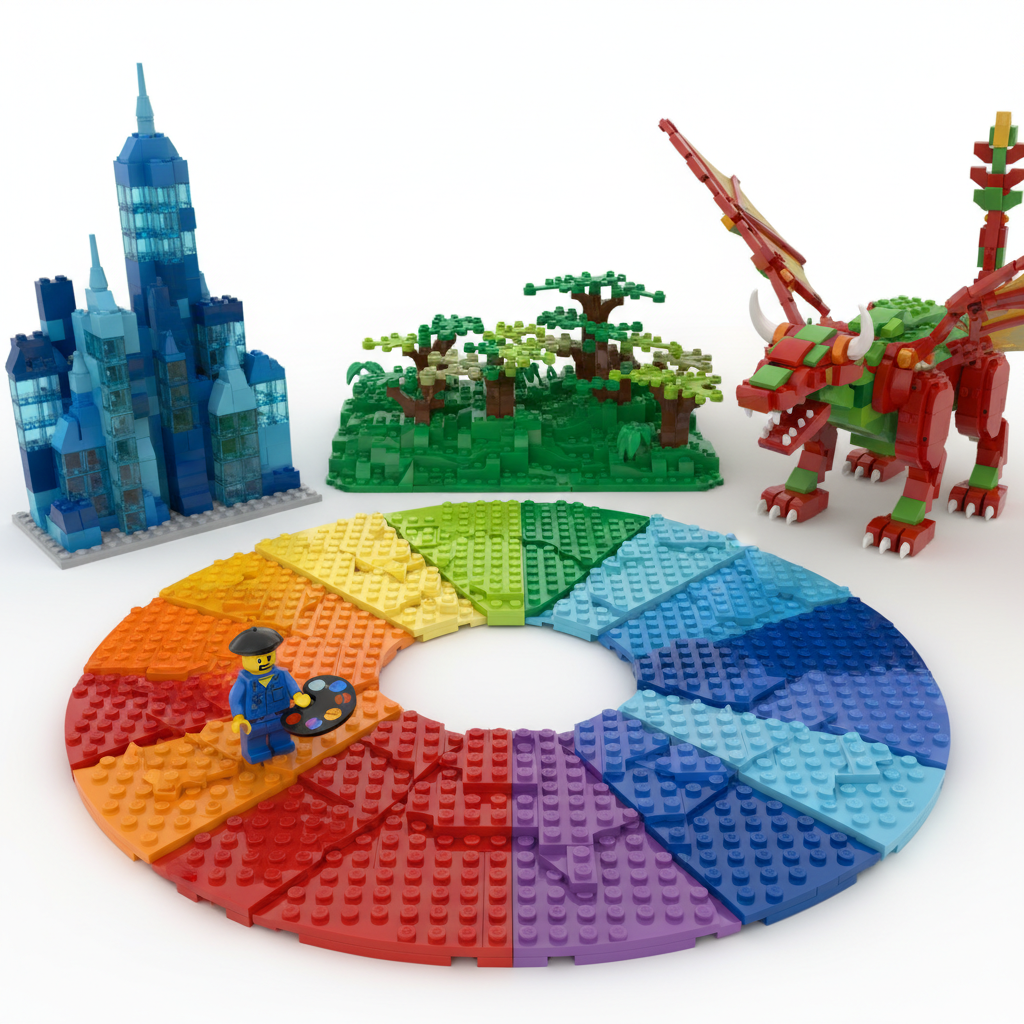
Just like in traditional art, the color wheel is a fundamental tool for LEGO MOC builders. It visually represents the relationships between colors.

  • Primary Colors (LEGO Edition): In LEGO, these are typically Red, Blue, and Yellow. They cannot be created by mixing other colors.
  • Secondary Colors: Formed by mixing two primary colors. For instance, combining LEGO Red and Yellow could conceptually give you Orange; Blue and Yellow, Green; Red and Blue, Purple. While you don't "mix" bricks, understanding these relationships helps you choose harmonious combinations.
  • Tertiary Colors: Created by mixing a primary and a secondary color (e.g., Red-Orange, Yellow-Green). LEGO offers many tertiary-like shades, expanding your palette considerably.

Understanding the color wheel is the first step in creating visually appealing LEGO MOCs, whether you're building a whimsical scene or a detailed architectural model.

Choosing Your Palette: Classic Color Schemes for LEGO MOCs

Once you grasp the basics, you can apply established color schemes to your MOCs. These schemes provide a framework for selecting colors that work well together, ensuring your build looks cohesive and intentional.

1. Monochromatic Harmony: Shades of a Single Color

A monochromatic scheme uses different values and saturations of a single hue. This creates a subtle, sophisticated, and unified look. Think of a build made entirely of varying shades of blue, from 'Dark Blue' to 'Medium Blue' to 'Light Blue'.

  • Why it works for LEGO: It emphasizes texture, shape, and form rather than color contrast. It's excellent for creating serene scenes, futuristic vehicles, or abstract sculptures.
  • Perfect for: Builders aiming for elegance, subtlety, or focusing on intricate details.
  • Recommended Sets for Monochromatic Exploration:
    • Lego Mosaic Dino: While designed for a specific image, mosaic sets like this provide a vast quantity of small tiles in a carefully curated, often monochromatic or analogous palette. This gives you a fantastic array of a few key colors and their shades, perfect for practicing value shifts. With 2847 pieces, it's a treasure trove of small color elements.
    • Lego Mosaic Cat: Similar to the Dino, this 2127-piece set offers a concentrated color scheme ideal for studying how different shades of a few colors create depth and form.

2. Analogous Schemes: Neighbors on the Color Wheel

Analogous colors are groups of three colors that are next to each other on the color wheel, sharing a common hue. Examples include yellow, yellow-orange, and orange; or blue, blue-green, and green. This scheme creates a sense of harmony and tranquility.

  • Why it works for LEGO: It's naturally pleasing to the eye and less jarring than high-contrast schemes. It's ideal for natural landscapes, serene environments, or themed builds where a gentle color progression is desired.
  • Perfect for: Landscapes, organic builds, or MOCs that aim for a calm or unified mood.
  • Recommended Sets for Analogous Palettes:
    • LEGO Botanical Collection: Sets like the Flower Bouquet or Orchid often feature incredible analogous palettes, blending various greens, purples, and pinks to mimic nature's own harmonious color schemes. These sets are fantastic for acquiring unique shades for organic MOCs.
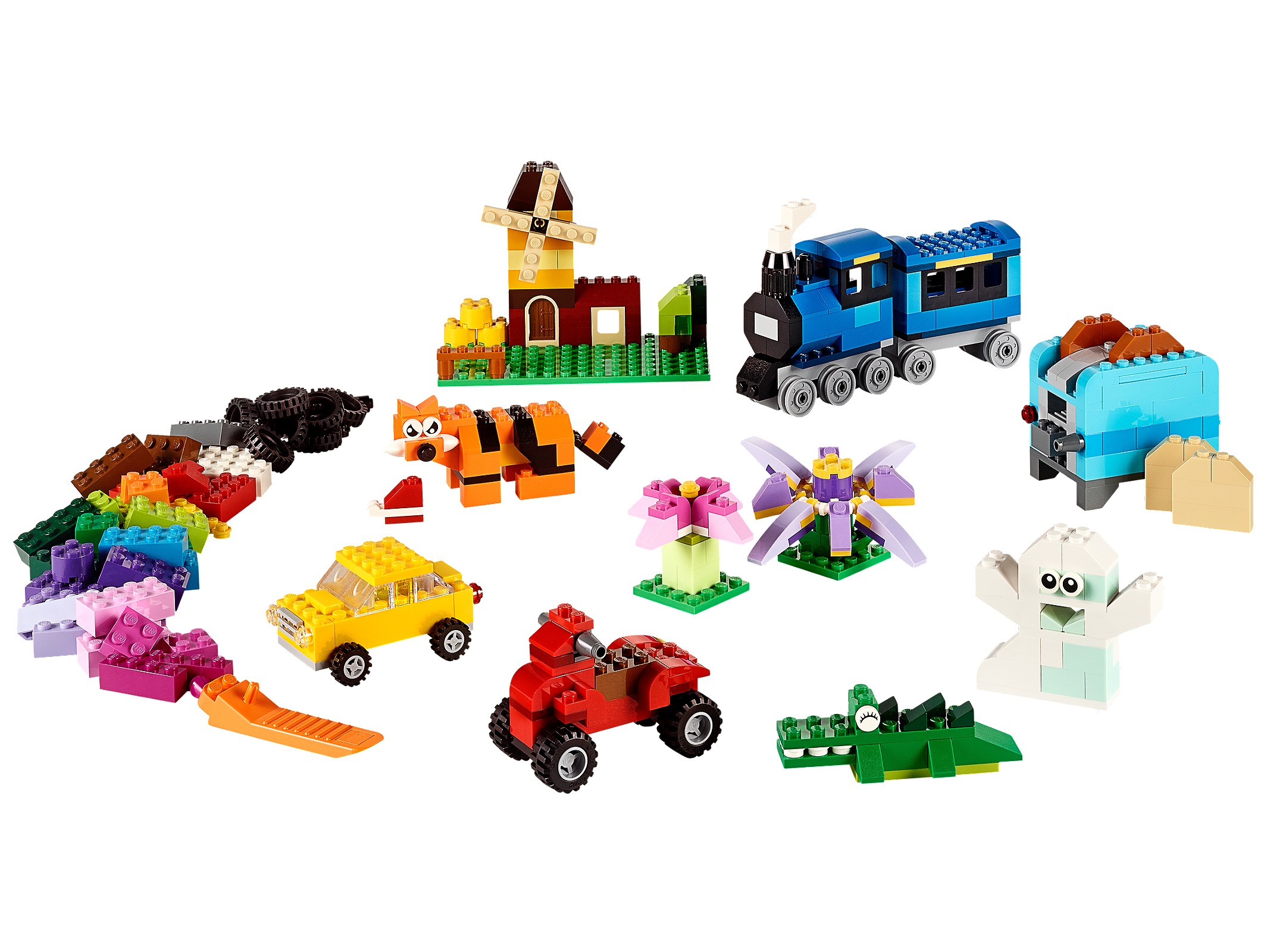
    • LEGO Classic Creative Brick Boxes: Many of these sets, such as Creative Color Fun with its 1500 pieces, provide a broad spectrum of colors, making it easier to pick out analogous groups from a diverse selection.

3. Complementary Contrast: Opposites Attract

Complementary colors are directly opposite each other on the color wheel, such as red and green, blue and orange, or yellow and purple. When placed next to each other, they create a strong contrast and vibrancy, making elements pop.

  • Why it works for LEGO: Perfect for drawing attention to specific details, creating dynamic scenes, or generating a bold, energetic feel. Use them sparingly as accents to avoid overwhelming the viewer.
  • Perfect for: Action scenes, superhero MOCs, vibrant characters, or highlighting key features in a larger build.
  • Recommended Sets for Complementary Colors:
    • LEGO Monkie Kid Sets: This theme is a masterclass in complementary colors, frequently pairing vibrant reds and golds with striking blues and greens to create energetic and visually exciting models.
    • LEGO Ninjago Sets: Similar to Monkie Kid, Ninjago often uses strong complementary pairs to represent different characters and elemental powers, offering a rich source of these contrasting hues.

4. Triadic Schemes: Balanced Vibrancy

A triadic color scheme uses three colors that are evenly spaced around the color wheel, forming a perfect triangle. The classic example is the primary colors: red, yellow, and blue. This scheme is often vibrant and well-balanced.

  • Why it works for LEGO: It's a bold choice that offers strong visual interest while maintaining balance. It's less intense than complementary schemes but more dynamic than analogous ones.
  • Perfect for: Playful builds, abstract art, children's themes, or MOCs that need a lively and cheerful atmosphere.
  • Recommended Sets for Triadic Inspiration:
    • Bonus Lego Basic Town: With 2542 pieces, this universal building set provides a wide array of basic bricks in primary and secondary colors, making it an excellent starting point for experimenting with triadic schemes.
    • Giant Lego Topic Set: Another fantastic universal set with 2195 pieces, offering a robust collection of foundational colors to explore triadic combinations.

Key Takeaways on Color Schemes:

  • Monochromatic: Emphasizes form, subtle, sophisticated.
  • Analogous: Harmonious, calm, natural.
  • Complementary: High contrast, vibrant, attention-grabbing.
  • Triadic: Balanced, lively, bold.

The Psychology of LEGO Colors: Evoking Emotion with Bricks

Beyond technical schemes, colors carry emotional weight. Understanding color psychology can help you convey specific moods or messages in your LEGO MOCs.

  • Warm Colors (Red, Orange, Yellow): Evoke feelings of energy, excitement, passion, and warmth. Great for fire, sunsets, cheerful scenes, or dynamic action. Think of the vibrant reds and golds in LEGO Monkie Kid sets.
  • Cool Colors (Blue, Green, Purple): Evoke feelings of calm, serenity, mystery, and peace. Ideal for water, skies, futuristic builds, or tranquil landscapes. The deep blues and greens in space-themed MOCs exemplify this.
  • Neutrals (Black, White, Gray, Tan, Brown): Provide balance, sophistication, and a backdrop for other colors. They are essential for realism in architecture (like in the ) or for creating shadows and highlights.
  • Bright, Saturated Colors: Often associated with playfulness, youth, and fun. Commonly found in LEGO Friends sets and LEGO DOTS sets, perfect for whimsical or child-friendly MOCs.

By consciously choosing colors, you can guide the viewer's emotional response to your MOC, making it not just a build, but a storytelling device.

Building Your LEGO Color Palette: A Step-by-Step Approach

Selecting the right colors for your MOC can feel overwhelming, especially with the vast array of LEGO colors available. Here’s a practical approach:

  1. Define Your MOC's Theme and Mood: What story are you telling? Is it a grim fantasy castle, a bustling city street, or a whimsical forest creature? The theme dictates the initial direction of your color choices.
  2. Choose Your Dominant Color(s): Select 1-3 primary colors that will form the bulk of your build. These should align with your theme. For a forest, various shades of green and brown would be dominant.
  3. Introduce Secondary Colors: These support your dominant colors and add variety without competing. For the forest, maybe some earthy yellows, oranges (for autumn), or soft blues (for water/sky).
  4. Add Accent Colors: These are often bright, contrasting colors used sparingly to draw attention to specific details or add a "pop." A single bright red flower in a green forest, or a vibrant flag on a muted castle.
  5. Utilize Neutrals: Don't underestimate the power of 'Black', 'White', 'Grays' (like 'Dark Stone Grey' and 'Light Stone Grey'), 'Tan' (Brick Yellow), and 'Brown'. They provide grounding, define structures, and make other colors stand out.
  6. Consider Brick Availability: While LEGO offers many colors, not every element is available in every color. Plan your palette with an awareness of what bricks you own or can readily acquire.

For large-scale MOCs or those requiring significant color diversity, consider bulk brick acquisition. Sets like Creative Color Fun are designed precisely for this, offering a wide spectrum of colors in useful quantities.

Sourcing LEGO Bricks for Color Diversity

Expanding your color palette often means acquiring more bricks. Here are some excellent strategies:

1. Universal Building Sets & Creative Boxes

These sets are designed to provide a broad range of colors and basic elements, perfect for MOC builders looking to diversify their collections.

  • Creative Color Fun: With 1500 pieces, this Classic set is a fantastic starting point for any MOC builder. It offers a rainbow of basic bricks, plates, and special elements, ensuring you have a good foundational color palette. It's affordable and provides immediate color variety.
  • Bonus Lego Basic Town: A substantial set with 2542 pieces, this Universal Building Set is a goldmine for basic colors in larger quantities. Ideal for cityscapes, landscapes, or any MOC requiring a solid base of common brick colors.
  • Giant Lego Topic Set: Another huge Universal Building Set, boasting 2195 pieces. This provides even more bulk in a variety of colors, making it excellent for larger projects or for builders who need deep stocks of common hues.
  • Giant Lego Dacta Basic Set: A massive 1417-piece Universal Building Set, Dacta sets were often focused on educational building but provide a fantastic range of standard colors and shapes for any MOC.

2. Mosaic & Art Sets for Specialized Palettes

While designed for specific images, these sets are packed with numerous small tiles and plates, often in a highly curated color scheme. They are perfect for acquiring many pieces of specific, often nuanced, colors.

  • Lego Mosaic Dino: This 2847-piece mosaic offers a unique palette focused on greens, browns, and grays – perfect for organic or natural history MOCs. You get a huge quantity of 1x1 tiles and plates in these specific colors.
  • Lego Mosaic Cat: With 2127 pieces, this set provides a different specialized palette, likely featuring warmer tones, grays, and whites, excellent for animal builds or detailed textures.
  • Lego Mosaic Johnny Thunder: Another 2127-piece mosaic, this one likely features adventure-themed colors like tans, browns, dark blues, and earthy tones, which can be invaluable for historical or exploration MOCs.
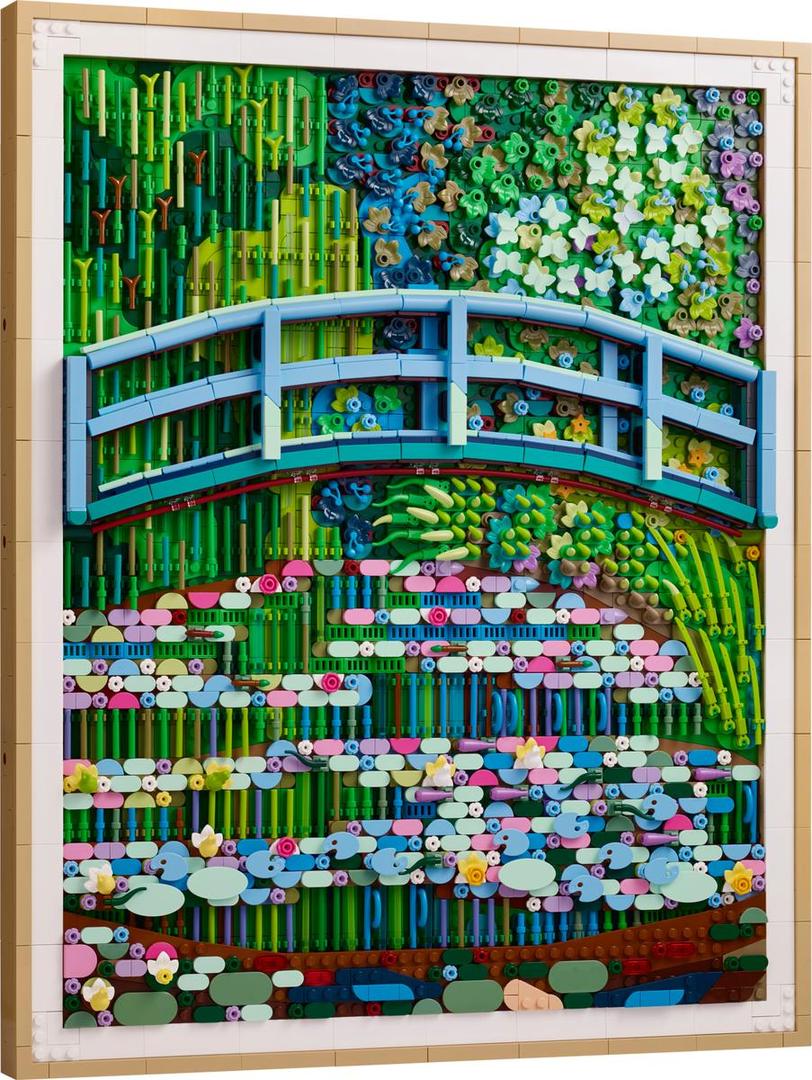
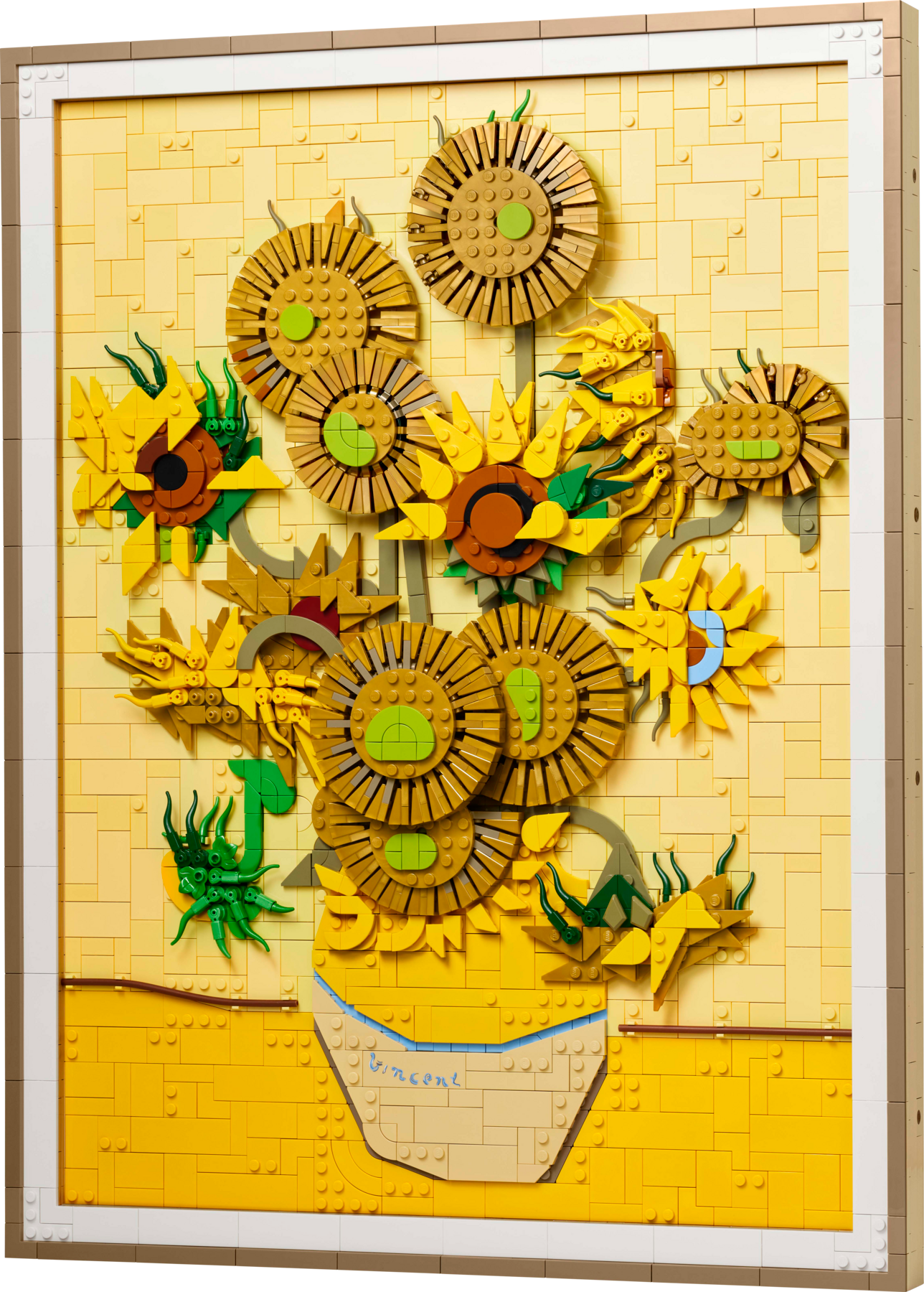
  • LEGO Art Sets: These sets, beyond mosaics, often utilize a vast number of small pieces in a wide spectrum of colors to create intricate pixel art or abstract designs. They are a great source for diverse small elements.

3. Themed Sets for Unique Hues and Combinations

Specific LEGO themes excel at showcasing particular color combinations or introducing unique colors.

  • LEGO Friends Sets: Known for their vibrant and diverse color schemes, often featuring bright pinks, purples, teals, and lime greens. Excellent for adding pops of color or building whimsical scenes.
  • LEGO DOTS Sets: These sets are all about customization and come with a massive assortment of small, colorful tiles in an expansive range of hues, perfect for adding intricate patterns or accent colors.
  • LEGO Creator Expert Modular Buildings: These sets, exemplified by the sophisticated palette of the Modular LEGO Store (2124 pieces), are masters of blending various shades of common colors (grays, tans, browns, dark reds, greens) to create realistic and aesthetically rich structures. They are a fantastic source for architectural colors.
  • LEGO Botanical Collection: These sets offer incredible organic color combinations, utilizing unique shades of green, pink, purple, and white to mimic natural beauty, ideal for organic or nature-themed MOCs.

4. LEGO Exclusives & Rare Finds for Distinctive Colors

Some exclusive or retired sets can be sources of rare colors or unique elements, though they might require more effort to acquire.

  • LEGO Inside Tour Anniversary Collection: A 1912-piece exclusive set, likely containing a unique mix of colors specific to its commemorative nature. Such sets can be a source of less common hues.
  • LEGO Campus: Another exclusive with 1494 pieces, potentially offering a specialized palette for corporate or architectural MOCs.
  • LEGO Factories National Animals: This 1601-piece exclusive could contain unique animal-specific colors or blends.

Key Takeaways on Sourcing:

  • Classic/Universal Sets: Best for foundational colors and bulk.
  • Mosaic/Art Sets: Excellent for large quantities of specific small elements in curated palettes.
  • Themed Sets: Good for unique color combinations and specialized hues.
  • Exclusives: Potential for rare colors, but often at a premium.

Advanced Techniques: Texture, Shading, and Mood with Color

Once you're comfortable with basic color schemes, you can explore more advanced techniques to add realism and artistic flair to your MOCs.

  • Color Blocking: Using large sections of a single, bold color to create a strong visual statement or define different zones within a build.
  • Gradient/Fading: Gradually transitioning from one color to another, or from a dark shade to a light shade. This can create stunning effects for water, sky, or complex organic forms.
  • Weathering and Patina: Using slightly desaturated or contrasting colors (e.g., 'Dark Tan' on 'Light Stone Grey') to simulate dirt, rust, or age on a model, adding realism.
  • Lighting Effects: Consider how actual light will interact with your chosen colors. Lighter colors reflect more light, while darker colors absorb it, affecting the perceived value and mood.
  • "Greebling" with Color: While greebling often refers to adding small, intricate details for texture, doing so with subtly different shades of the main color can add incredible visual interest without distracting from the overall scheme.

Even a simple Lego Minifigure sculpture or a Lego Dragon can benefit from thoughtful color choices that enhance its form and presence.

Quick Comparison: Top Sets for Expanding Your LEGO Color Palette

Here's a quick look at some recommended sets that offer excellent value for expanding your brick color collection, catering to different needs.

Set Name Item Number Piece Count Best For
Creative Color Fun 11032-1 1500 General color variety, basic brick accumulation, beginners
Bonus Lego Basic Town 9287-1 2542 Bulk common colors, foundational MOCs, city/landscape builders
Lego Mosaic Dino k34432-1 2847 High quantity of small tiles in specialized palettes, detailed textures
Modular LEGO Store 910009-1 2124 Sophisticated architectural palettes, realistic building details
LEGO DOTS Sets (Various) (Varies) Vast array of small, vibrant tiles for accents and patterns

What to Consider When Buying LEGO for Color Diversity

When you're actively seeking to expand your LEGO color palette for MOCs, keep these factors in mind to make the most informed purchasing decisions:

  1. Piece Count vs. Color Variety: Some sets offer a high piece count but might be limited in color variety (e.g., a large monochrome sculpture). Others might have fewer pieces but a wider range of hues (e.g., a small Classic box). Determine whether you need bulk in a few colors or a sprinkle of many.
  2. Element Type: Are you looking for basic bricks, plates, tiles, slopes, or specialized elements? Universal sets excel at basic bricks, while mosaic or DOTS sets are superb for tiles. Consider what specific elements you need in specific colors.
  3. Targeted Color Palettes: If you have a specific MOC in mind, look for sets that naturally align with that project's color scheme. For instance, the LEGO Botanical Collection is perfect for natural tones, while LEGO Friends sets often supply vibrant, playful colors.
  4. Price per Piece: While not the only factor, a lower price per piece generally means better value, especially for bulk acquisition. Classic sets and larger universal building sets often offer excellent value in this regard.
  5. Rarity and Exclusivity: Be aware that some colors are rarer or only appear in exclusive sets like LEGO Inside Tour Anniversary Collection. If you need these, be prepared to potentially pay a premium on the secondary market.

Conclusion

Mastering LEGO MOC color theory is a journey that transforms your building experience, turning every brick choice into an intentional artistic decision. By understanding the fundamentals of hue, saturation, and value, and applying classic color schemes like monochromatic, analogous, complementary, and triadic, you can infuse your creations with depth, emotion, and visual appeal. Whether you're a beginner experimenting with a vibrant new palette from Creative Color Fun or an experienced AFOL refining the intricate shades of an architectural masterpiece inspired by Modular LEGO Store, the power of color is at your fingertips. So, grab your bricks, explore the spectrum, and let your imagination build a world in full, glorious color!

Master LEGO MOC color theory to elevate your builds. Learn about palettes, schemes, and recommended sets like Creative Color Fun to choose the perfect hues for your next creation.

LEGO MOC color theory, LEGO color palettes, LEGO building colors, LEGO color schemes, MOC brick selection, LEGO creative sets, best LEGO sets for parts, LEGO color strategy, MOC design tips

Unlock the artistic potential of your LEGO MOCs by mastering color theory. This guide covers essential concepts, classic color schemes, and recommends top LEGO sets to help you choose the perfect palette and bring your creations to life with vibrant, cohesive designs.

Q: What does MOC stand for in LEGO?
A: MOC stands for "My Own Creation." It refers to any LEGO model or build that is designed and constructed independently by a fan, rather than following official LEGO instructions or designs. MOCs allow builders to express their unique creativity and skill.

Q: Why is