BrickLink Designer Program: Publishing Your MOC Designs
Supporting Free Content
When you purchase through our links, we earn a small commission at no extra cost to you. As an Amazon Associate and eBay Partner, this helps us keep bringing you expert LEGO® reviews and guides. Thank you for your support!
The BrickLink Designer Program (BDP) offers an unparalleled opportunity for talented LEGO fan designers to transform their custom creations, known as MOCs (My Own Creations), into official, limited-edition LEGO sets. This innovative platform bridges the gap between the passionate fan community and the official LEGO Group, allowing builders to see their designs move from digital concept or personal build to a crowdfunded reality, complete with official packaging and instructions. If you've ever dreamt of sharing your unique LEGO vision with the world and having it produced for fellow enthusiasts, understanding the ins and outs of publishing your MOC designs through the BDP is your first crucial step.
What is the BrickLink Designer Program?
The BrickLink Designer Program is a collaboration between the LEGO Group and BrickLink, the world's largest online marketplace for LEGO parts and sets. Born from the success of previous fan-driven initiatives, the BDP allows rejected LEGO Ideas 10K projects, as well as new fan submissions, to get a second chance at becoming official products. Unlike LEGO Ideas, which aims for broad retail release, the BDP focuses on limited, crowdfunded production, catering specifically to the adult fan of LEGO (AFOL) community.
The program operates in distinct rounds, each with specific themes or criteria. Successful projects must meet a minimum funding goal (pre-orders) to go into production. This community-driven approach ensures that only the most desired and well-designed MOCs make it to builders' hands.
Key Takeaways:
- Community-Driven: Relies on fan support through pre-orders.
- Limited Edition: Sets are produced in specific quantities for each round.
- Second Chance: Often features projects that didn't make it through LEGO Ideas.
- Direct Fan-to-Fan: Connects designers with buyers within the AFOL community.
Why Should You Publish Your MOC Through BDP?
For many LEGO builders, the dream isn't just to build, but to share. The BrickLink Designer Program offers several compelling reasons for MOC designers to publish their creations:
- Official Production: Your design, an actual LEGO set. This is perhaps the biggest draw. Your MOC, which you poured hours of creativity and effort into, can be professionally packaged, include an official instruction manual, and be sold to a global audience.
- Recognition and Exposure: Becoming a successful BDP designer elevates your status within the LEGO community. Your name and design are celebrated, giving you incredible exposure and recognition for your talent.
- Monetary Compensation: Designers receive a royalty on every set sold. While the primary motivation is often passion, the financial reward is a welcome bonus, acknowledging the significant effort involved in design and refinement.
- Feedback and Refinement: The BDP process often involves working with BrickLink and LEGO experts to refine your model for stability, buildability, and part availability, enhancing your design skills.
- Contribution to the Hobby: You contribute directly to the rich tapestry of LEGO creations, offering unique and often complex builds that might not fit into traditional LEGO themes.
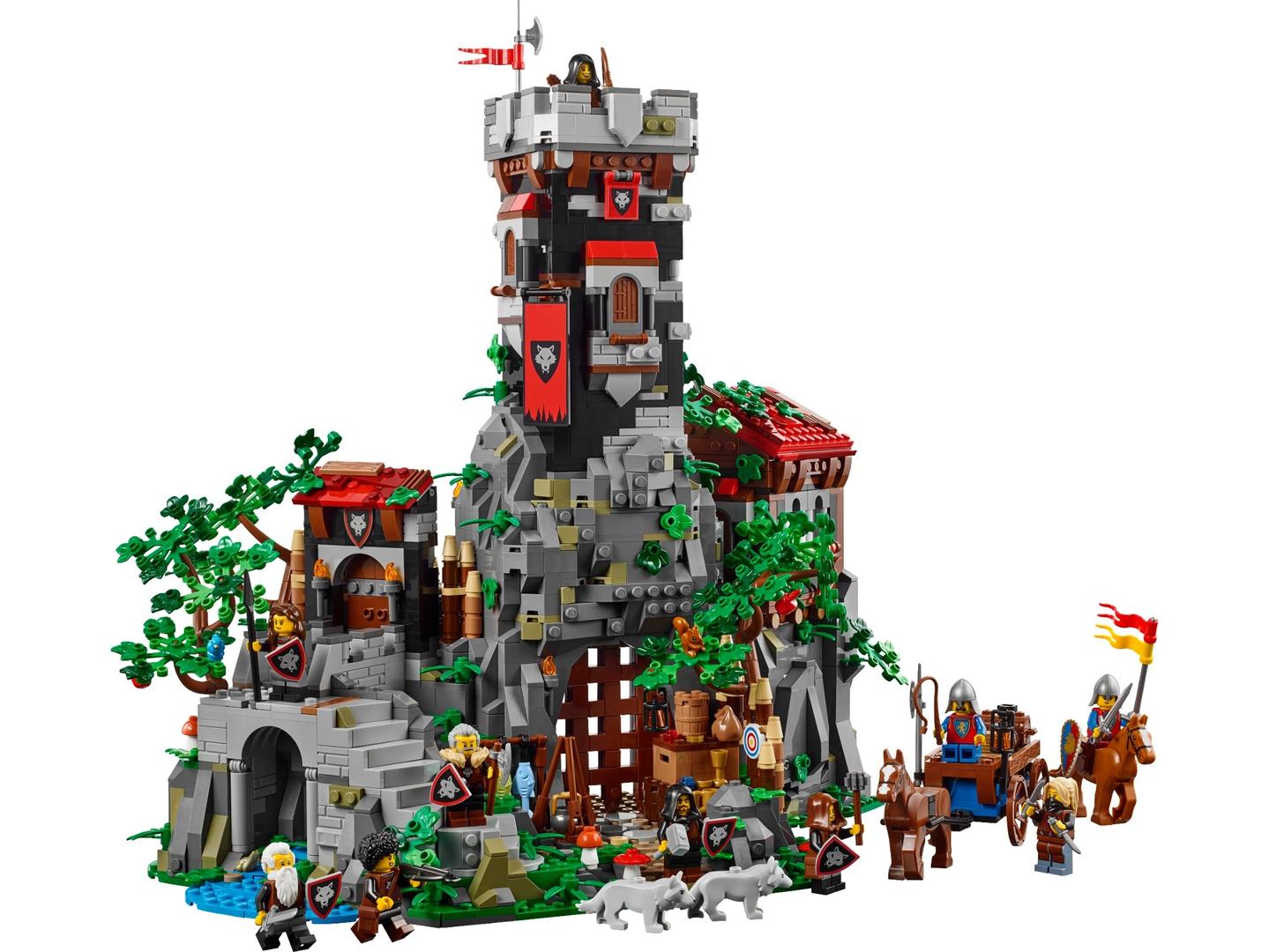
To truly understand the potential, look at successful BDP sets like the Castles in the Forest or the Modular General Store from previous rounds, which resonated deeply with the community due to their intricate design and nostalgic appeal. These exemplify the kind of detailed world-building and strong storytelling that captivates adult builders.

The Journey: From MOC Concept to BDP Set
The path from a personal MOC to a crowdfunded BDP set involves several distinct stages. Understanding this journey is crucial for any aspiring designer.
1. Design and Digitalization
Every journey begins with an idea. Your MOC needs to be well-conceived, stable, and visually appealing. While physical builds are great for prototyping, the BDP requires submissions to be in a digital format, typically using BrickLink Studio. This free software allows you to build virtually, generate instructions, and create high-quality renders.
- Brainstorming & Prototyping: Develop your concept. Think about what makes your MOC unique. Is it a stunning display piece like the LEGO Set 10311 (LEGO Botanical Collection Orchid), an intricate architectural marvel like the LEGO Set 10332 (LEGO Icons Medieval Town Square), or a functional model akin to the LEGO Set 42083 (LEGO Technic Bugatti Chiron)?
- Building in Studio: Recreate your MOC in BrickLink Studio. This is where you finalize part count, color palette, and ensure structural integrity. Tools like Designer Toolkit - Patterns or Creative Designer Box can inspire creative part usage and design elements. For those starting out, a good base of bricks is essential, like the Build Your Own House Tub or Build Your Dreams, offering a wide variety of pieces to experiment with.
- Instruction Generation: Studio can help you create step-by-step instructions, which are vital for the BDP process.
2. Submission and Fan Vote (Previous Rounds)
Historically, the BDP has sourced projects from rejected LEGO Ideas 10K projects or through open submission periods. While the exact submission mechanics can vary by round, the core idea remains: present your design to the BrickLink team.
Once submitted, projects often enter a fan voting or selection phase. This is where the community signals its interest. Designs that capture the imagination, perhaps with a strong narrative like the LEGO Set 75980 (LEGO Harry Potter™ The Burrow) or a unique display concept like the LEGO Set 76271 (LEGO DC Batman: The Animated Series Gotham City™), tend to perform well.
3. Crowdfunding Phase
This is the make-or-break stage. Selected projects enter a crowdfunding period where fans can pre-order the sets. Each project needs to reach a minimum threshold of pre-orders to go into production. This is where excellent presentation, clear instructions, and a compelling story for your MOC become paramount.
- Engage Your Audience: Share your project widely! Utilize social media, LEGO fan forums, and your personal network to generate buzz.
- Highlight Key Features: Showcase what makes your MOC special. Is it its intricate details, playability, or display value? Think about why sets like the LEGO Set 21318 (LEGO Ideas Tree House) or the LEGO Set 10305 (LEGO Icons Lion Knights' Castle) resonate with so many builders.
- Transparency: Be clear about your design choices and any potential challenges.
4. Production and Fulfillment
If your project successfully reaches its funding goal, it moves into production. BrickLink and the LEGO Group handle the manufacturing, packaging, and distribution. This is the moment your digital dream becomes a tangible reality!
Key Design Principles for BDP Success
What makes a MOC stand out in the crowded world of LEGO creations and succeed in the BrickLink Designer Program? It often boils down to a blend of creativity, engineering, and understanding the market. The trends show adult builders gravitate towards complex, detailed, and display-worthy sets. Here's what to focus on:
- Originality & Innovation: While drawing inspiration is good, your MOC needs a unique twist. What hasn't been done before? How do you put your own spin on a classic theme? Consider how sets like LEGO Set 21313 (LEGO Ideas Ship in a Bottle) presented a familiar concept in an entirely new way.
- Aesthetic Appeal & Display Value: Many BDP sets are purchased by AFOLs who want impressive display pieces. Focus on strong aesthetics, interesting color schemes, and intricate details. Sets like the LEGO Architecture Skyline Collection or the LEGO Set 10311 (LEGO Botanical Collection Orchid) are prime examples of models designed for display.
- Structural Stability & Buildability: A beautiful model is useless if it falls apart. Ensure your MOC is robust and offers a satisfying, logical building experience. Test your design for stability, especially if it's large or has complex sub-assemblies.
- Storytelling & Theme: Does your MOC tell a story or evoke a strong theme? Whether it's a historical setting, a fantasy scene, or a slice of life, a compelling narrative enhances a model's appeal. Think about the rich detail in the LEGO Set 10255 (LEGO Creator Expert Modular Buildings: Assembly Square) or the LEGO Set 10297 (LEGO Creator Expert Modular Buildings: Boutique Hotel) which create entire miniature worlds.
- Part Availability & Variety: While not a strict rule for initial submission, keeping an eye on part availability and avoiding overly rare or expensive parts can make a design more feasible for production and appealing to buyers. Using a diverse range of parts, however, can add texture and detail, much like the varied elements found in a Invention Designer (Kits 10 - 12) or a Master Your Adventure Maker Set.
- Target Audience: The BDP largely caters to adult builders. This means designs can be more complex, use advanced techniques, and don't necessarily need extensive play features, focusing more on the building process and display.
Essential Tools and Resources for MOC Designers
Embarking on your BDP journey requires more than just creativity; it demands the right tools and a commitment to learning.
Software & Digital Design
- BrickLink Studio: This is your primary tool. It's a free, powerful software developed by BrickLink that allows you to design MOCs digitally, create photorealistic renders, and generate building instructions. Mastering Studio is non-negotiable for BDP submissions.
- Part Libraries: Studio comes with an extensive library of LEGO parts, ensuring you have access to virtually every element produced.
Inspiration & Learning
To create a successful MOC, it helps to understand what makes official LEGO sets, especially those aimed at adults, so popular. Analyze their design choices, building techniques, and overall presentation.
- Master Builder Academy & Creative Sets: Sets like Level One - Kit 1, Space Designer, Level One - Kit 2, Microbuild Designer, Level Two - Kit 5, Creature Designer, and Level Two - Kit 6, Auto Designer are designed to teach advanced building techniques and foster creativity, providing an excellent foundation for aspiring MOC designers. Similarly, creative boxes like Build Your Own House Tub and Build Your Dreams offer a wealth of parts for experimentation.
- Iconic & Ideas Sets: Study the success of sets like the LEGO Set 21323 (LEGO Ideas Grand Piano), the LEGO Set 75192 (LEGO Star Wars UCS Millennium Falcon), or even the more artistic LEGO Set 31203 (LEGO Art World Map). These sets excel in detail, innovation, and capturing fan interest. The How to Train Your Dragon: Toothless is another excellent example of a complex, display-worthy model with strong character design.
- Community Platforms: Sites like BrickLink, Rebrickable, and Flickr are treasure troves of MOCs from other designers. Study successful builds, learn new techniques, and understand current trends.
- Books & Guides: Resources like Your Galactic Mission: Build Your Own Story or other third-party books can offer structured guidance on design principles and storytelling in LEGO.
Tips for a Successful BDP Submission
Maximizing your chances of success requires careful planning and attention to detail.
- High-Quality Renders: Present your MOC beautifully. Use BrickLink Studio's rendering capabilities to create stunning images from multiple angles. Good lighting and composition can make a huge difference.
- Clear & Engaging Description: Tell the story of your MOC. Explain your inspiration, key features, and why you believe it would make a great official set. Highlight unique building techniques or clever part usage.
- Detailed Part List: Ensure your digital model has an accurate and complete part list. Studio handles this automatically, but double-check for errors.
- Robust Instructions: If your project is selected, clear, easy-to-follow instructions are paramount. Even in the submission phase, demonstrating a logical build flow can impress.
- Community Engagement: Once your project is in the voting or crowdfunding phase, actively engage with the LEGO community. Share your progress, answer questions, and build excitement.
- Learn from Others: Study previous successful BDP projects. What made them popular? What design elements or themes resonated with buyers?
- Consider the "Adults Welcome" Factor: Remember the target demographic. Intricate details, challenging builds, and display potential are often more valued than extensive play features.
Quick Comparison of "Designer" Focused Sets for Inspiration
While the BDP is about creating unique MOCs, these sets provide excellent starting points or inspiration for developing design skills and accumulating useful parts.
| Set Name | Item Number | Price | Piece Count | Best For |
|---|---|---|---|---|
| 3600-1 | $ | 1201 | General parts assortment & free building | |
| 4107-1 | $ | 1000 | Inspiring creative, open-ended building | |
| 20215-1 | $ | 678 | Learning advanced building mechanics | |
| 41938-1 | $ | 849 | Decorative elements & pattern design | |
| 20200-1 | $ | 179 | Introduction to specific design themes |
What to Consider When Preparing Your BDP Design
Before diving deep into your next MOC with the BrickLink Designer Program in mind, take a moment to consider these crucial factors:
- Theme and Niche: While popular themes like medieval castles (e.g., LEGO Set 10332) or modular buildings (e.g., LEGO Set 10255) often do well, sometimes a unique niche can capture attention. Consider what unique story or concept you can bring to life. Does your MOC fill a gap in the existing LEGO lineup or offer a fresh take on a beloved concept?
- Part Count and Complexity: BDP sets are generally aimed at experienced builders. A higher part count (often 1,500-3,000+ pieces) and complex building techniques are usually expected. However, don't overdo it to the point where the build becomes frustrating or prohibitively expensive. Aim for a challenging yet rewarding experience. The LEGO Set 75192 (LEGO Star Wars UCS Millennium Falcon), while extreme, shows the demand for high piece count sets.
- Color Palette: A cohesive and appealing color scheme is vital. Avoid "rainbow warrior" syndrome unless it's integral to your design. Thoughtful color blocking and accent colors can elevate your MOC from good to great.
- Feasibility for Production: While BrickLink and LEGO refine designs, thinking about the practicality of your MOC during your design process can save headaches later. Are any parts extremely rare or custom? Does it rely on techniques that might be unstable in a mass-produced kit?
- Branding and Presentation: Think of your MOC as a product. How will you brand it? What name will you give it? The images and descriptions you provide are your marketing tools. Learn from how official sets like How to Train Your Dragon: Toothless are presented to highlight their best features.
Conclusion
The BrickLink Designer Program is a truly unique and exciting avenue for LEGO MOC designers to bring their most ambitious and creative visions to life. It's a testament to the power of the LEGO community and a fantastic opportunity to gain recognition, earn royalties, and see your passion project become a tangible, official LEGO set. By focusing on strong design principles, utilizing the right tools like BrickLink Studio, and engaging with the vibrant LEGO community, your dream of publishing your MOC can absolutely become a reality. So, whether you're building a grand castle like the LEGO Set 10305 (LEGO Icons Lion Knights' Castle), a detailed modular building, or an imaginative creature, remember that your next great creation could be the next BDP sensation. Start designing, start sharing, and let your bricks build your dreams!
Discover how to publish your custom LEGO MOC designs through the BrickLink Designer Program. Learn about submission, crowdfunding, and tips for creating successful, official LEGO sets.
BrickLink Designer Program, BDP, MOC designs, LEGO MOC, publish LEGO, fan designs, custom LEGO sets, BrickLink Studio, LEGO Ideas, AFOL
Unlock the secrets to getting your custom LEGO MOCs produced as official, limited-edition sets through the BrickLink Designer Program. Learn the process, essential tools, and expert tips to transform your creative builds into a crowdfunded reality.
Q: What is a "MOC" in the context of LEGO?
A: A "MOC" stands for "My Own Creation." It refers to any LEGO model designed and built by an individual fan, rather than following official LEGO instructions. These can range from small custom vehicles to elaborate dioramas or functional machines.
Q: How does the BrickLink Designer Program differ from LEGO Ideas?
A: While both platforms allow fans to submit designs, there are key differences. LEGO Ideas targets potential official LEGO sets for broad retail release, with selected projects becoming full LEGO products. The BDP, on the other hand, often gives a second chance to LEGO Ideas projects that reached 10,000 votes but weren't selected, or features new fan submissions for limited, crowdfunded production, primarily for the AFOL community. BDP sets are typically much more limited in quantity.
Q: What software do I need to design my MOC for BDP?
A: The primary software required is BrickLink Studio, a free digital building program. It allows you to design your MOC, create step-by-step instructions, and render high-quality images for your submission. Familiarity with this software is essential for participating in the BDP.
Q: How many pieces can my MOC have for BDP?
A: While specific guidelines can vary by round, BDP projects typically fall within a range of 1,000 to 4,000 pieces. The program targets complex builds appealing to adult collectors, so higher piece counts are common, but always check the latest round's specific requirements.
Q: Do I get paid if my MOC is selected and produced?
A: Yes, designers whose MOCs are successfully crowdfunded and produced through the BrickLink Designer Program receive a royalty percentage on each set sold. This provides financial compensation for your creativity and hard work, in addition to the immense satisfaction of seeing your design become an official product.
Q: What makes a BDP project successful during crowdfunding?
A: Success in crowdfunding often comes down to a compelling design, excellent presentation (high-quality renders, clear descriptions), and strong community engagement. Projects that resonate with the AFOL community, often featuring intricate details, unique themes, or nostalgic appeal, tend to garner the necessary pre-orders. Sharing your project widely on social media and fan forums is also crucial.
Q: Can I submit any MOC to the BrickLink Designer Program?
A: The program has specific rounds with varying criteria. Some rounds might be open calls, while others might focus on projects that previously reached 10,000 votes on LEGO Ideas. Always check the official BrickLink Designer Program website for the current round's eligibility rules, themes, and submission guidelines before preparing your MOC.
Use Our Tools to Go Further
Get more insights about the sets mentioned in this article with our free LEGO tools