
Microscale LEGO Building: Creating Tiny Detailed Models
Supporting Free Content
When you purchase through our links, we earn a small commission at no extra cost to you. As an Amazon Associate and eBay Partner, this helps us keep bringing you expert LEGO® reviews and guides. Thank you for your support!
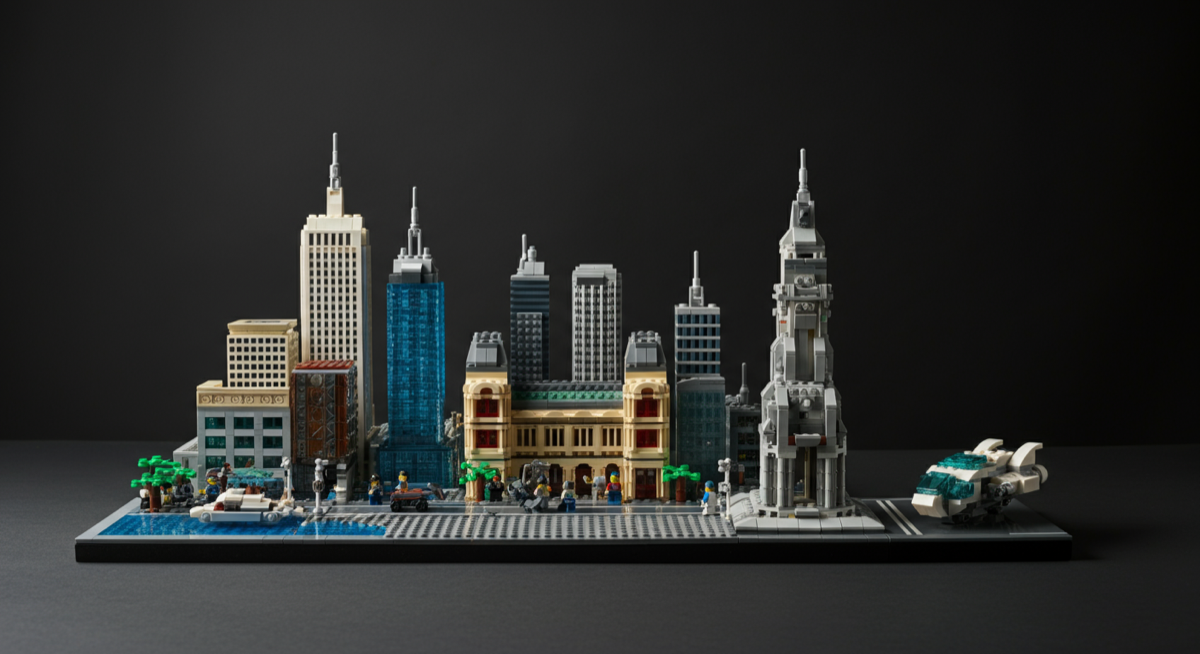
Microscale LEGO building is the art of recreating large objects, structures, or scenes in a significantly reduced size, often without regard for minifigure compatibility, focusing instead on capturing intricate details, shapes, and textures using smaller LEGO elements. This specialized form of LEGO construction allows builders to create breathtakingly detailed miniature models that conserve space while challenging their creative and technical building skills, making it a beloved niche for both casual and expert builders alike.
What is Microscale LEGO Building?
In the vast universe of LEGO construction, "microscale" refers to models built at a much smaller scale than the standard minifigure. While a minifigure typically stands about 1.5 inches (4 cm) tall, suggesting a scale of roughly 1:48, microscale models often depict entire cities, grand architectural marvels, or vast landscapes in a space no bigger than a desktop. The primary goal of microscale building is not to accommodate minifigures but to capture the essence, proportion, and key features of a larger subject using clever part usage and advanced building techniques.
This approach demands a keen eye for detail and an innovative mind. Builders must distill the most recognizable elements of their subject into a compact form, often employing pieces in unconventional ways to represent architectural flourishes, natural contours, or technological intricacies. It's a testament to the versatility of the LEGO system, proving that even the smallest bricks can convey immense grandeur.
Key Characteristics of Microscale Building:
- Reduced Size: Models are significantly smaller than their real-world counterparts, and often smaller than minifigure-scale representations.
- Detail-Oriented: Emphasis is placed on capturing the most iconic and recognizable features, rather than every single component.
- Clever Part Usage: Builders often repurpose small elements like grille tiles, cheese slopes, studs, and plates to mimic complex textures or architectural details.
- Space Efficiency: Microscale models are perfect for display in limited spaces, allowing collectors to showcase impressive builds without dedicating an entire room.
- Creative Problem-Solving: Recreating a large structure in miniature requires innovative solutions for shaping, detailing, and structural integrity.
Why Embark on a Microscale LEGO Journey?
The allure of microscale LEGO building extends beyond its compact nature. It offers a unique set of challenges and rewards that appeal to a diverse range of builders.
Unleashing Creativity and Ingenuity
Microscale forces builders to think outside the box. When you can't rely on large, specialized pieces, you learn to see common bricks in new ways. A 1x1 round plate might become a distant window, a headlight brick could be a complex facade, or a cheese slope could form a roofline. This process sharpens your creative problem-solving skills and expands your understanding of the LEGO palette.
Space-Saving Display Solutions
One of the most practical benefits of microscale is its footprint. Imagine wanting to display the entire New York City skyline or a collection of world-famous landmarks. In minifigure scale, this would be impossible for most homes. Microscale allows you to curate an impressive collection of iconic structures or elaborate scenes without requiring vast amounts of display space. This makes it ideal for apartments, office desks, or smaller display shelves.
Focus on Form, Architecture, and Landscape
Without the constraint of minifigure compatibility, microscale builders can prioritize the aesthetics and structural integrity of their subject. This is particularly evident in the LEGO Architecture theme, which often employs microscale to faithfully reproduce famous buildings. The focus shifts entirely to capturing the architectural essence, the interplay of light and shadow, and the overall silhouette of the structure.
A Different Kind of Challenge
For experienced builders, microscale offers a refreshing challenge. It's not just about accumulating the most bricks; it's about making every single brick count. Precision, proportion, and clever techniques like SNOT (Studs Not On Top) become paramount. It's a rewarding experience to see a complex real-world object come to life in a tiny, brick-built form.
Essential Techniques and Parts for Microscale Builders
Mastering microscale means becoming proficient with certain techniques and understanding which parts are your best friends. Here are some fundamental aspects:
1. SNOT (Studs Not On Top) Building
This is arguably the most critical technique in microscale. SNOT involves orienting bricks so their studs face in directions other than upwards. This allows for smooth, detailed surfaces, intricate angles, and the attachment of parts to the sides of a model. Essential SNOT elements include headlight bricks, brackets, modified plates with studs on the side, and masonry bricks.
2. Leveraging Small Elements
The smaller the scale, the more important small pieces become. You'll rely heavily on:
- Plates and Tiles (1x1, 1x2, 2x2): For creating thin layers, smooth surfaces, and intricate patterns. Tiles are especially useful for creating sleek, finished looks.
- Cheese Slopes (1x1 Slope 30°): Invaluable for roofs, angles, textures, and subtle shaping.
- Grille Tiles (1x2 Jumper Plate with Grille): Excellent for texture, windows, or decorative elements.
- Round Plates and Tiles (1x1, 1x2): For circular details, dots, or smooth edges.
- Modified Plates with Clips/Handles: Allow for attachment in unusual orientations and create fine details.
- Nexo Knights Shields/Tile, Round 1x1 with Open Stud: Can be used for intricate details or even micro-figures.
3. Color Blocking and Texture
Microscale models often rely on strategic color blocking to define different sections of a building or landscape. Using contrasting or complementary colors can enhance the perception of depth and detail. Similarly, varying textures – achieved through studded surfaces, tiled areas, or specialized bricks like masonry bricks or profile bricks – adds realism and visual interest.
4. Forced Perspective
For larger microscale dioramas or cityscapes, forced perspective can create the illusion of even greater depth. This technique involves making objects appear smaller as they recede into the background, even if they are actually the same size in brick count. This is often achieved by using increasingly smaller elements and less detail towards the back of the model.
Top LEGO Architecture Sets for Microscale Inspiration & Building
The LEGO Architecture line is the quintessential example of official microscale building, offering complex and beautiful models of real-world landmarks. These sets are not only fantastic display pieces but also incredible learning tools for aspiring microscale builders. They showcase ingenious techniques, clever part usage, and masterful scaling.
Recommended Sets for Microscale Enthusiasts:
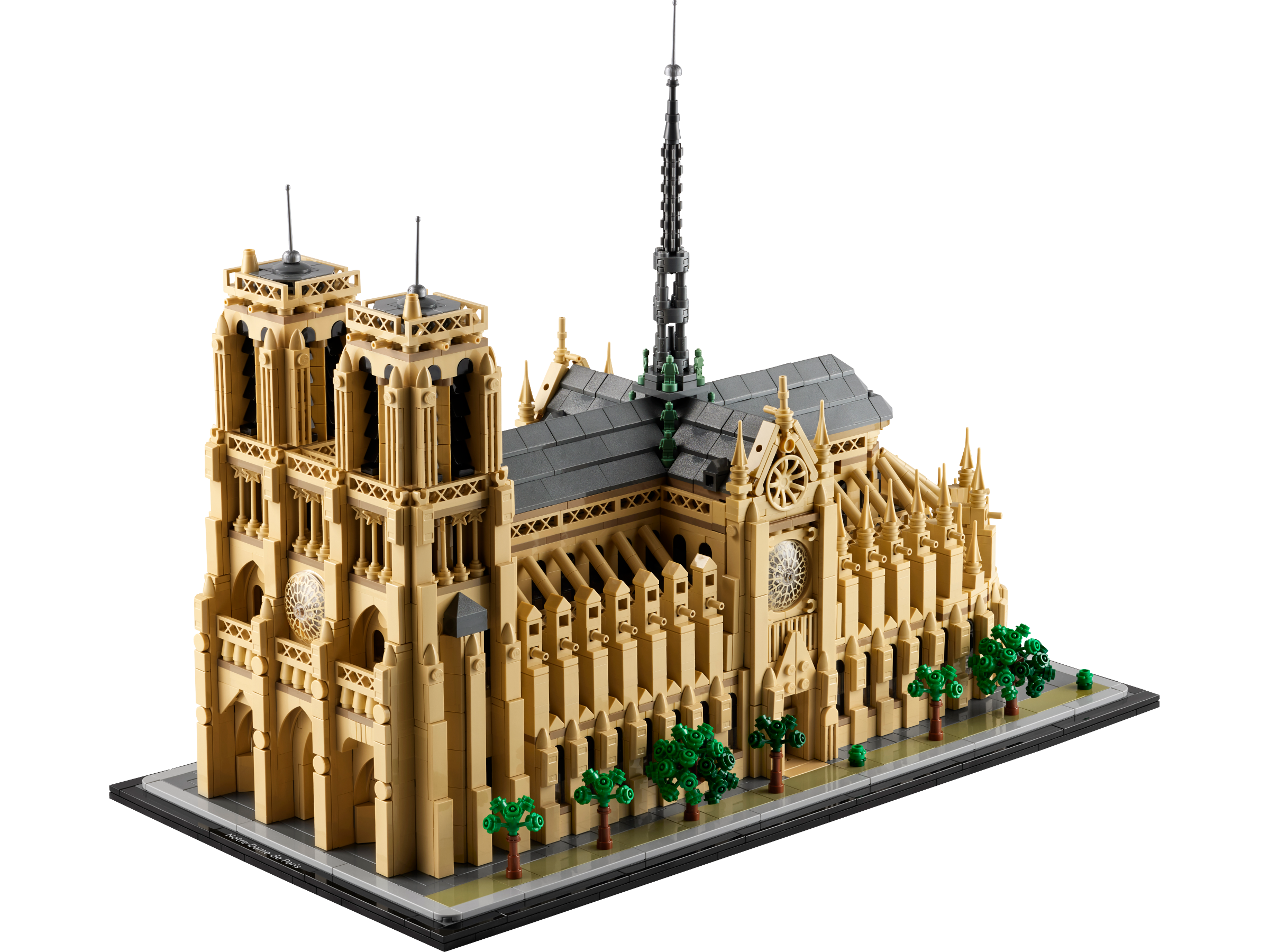
This magnificent set, with an impressive 4382 pieces, is a masterclass in microscale detail. Recreating the iconic Parisian cathedral, it captures the intricate Gothic architecture, the rose windows, flying buttresses, and even the interior details. Builders will find inspiration in how complex curves and delicate spires are achieved with standard LEGO elements. It's a challenging build that offers an unparalleled reward for fans of architecture and microscale.
2. Neuschwanstein Castle
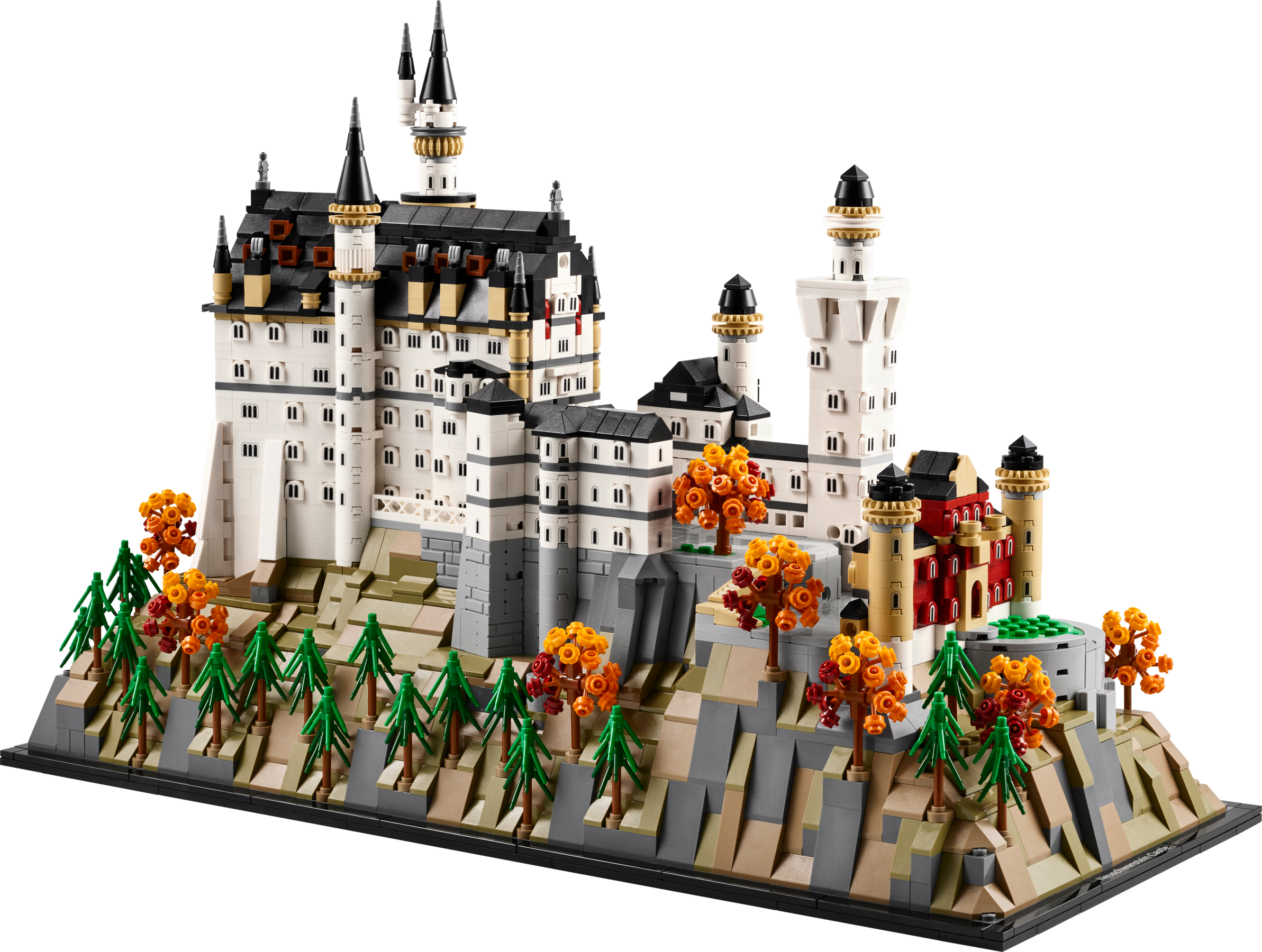
Priced at $279.99 and boasting 3455 pieces, the is a stunning rendition of Bavaria's fairytale castle. This set exemplifies how microscale can capture the grandeur of a sprawling structure in a manageable footprint. The set's design demonstrates advanced techniques for creating turrets, varied rooflines, and textured walls, making it an excellent educational piece for those looking to expand their microscale repertoire. It's perfect for builders who appreciate historical architecture and intricate details.
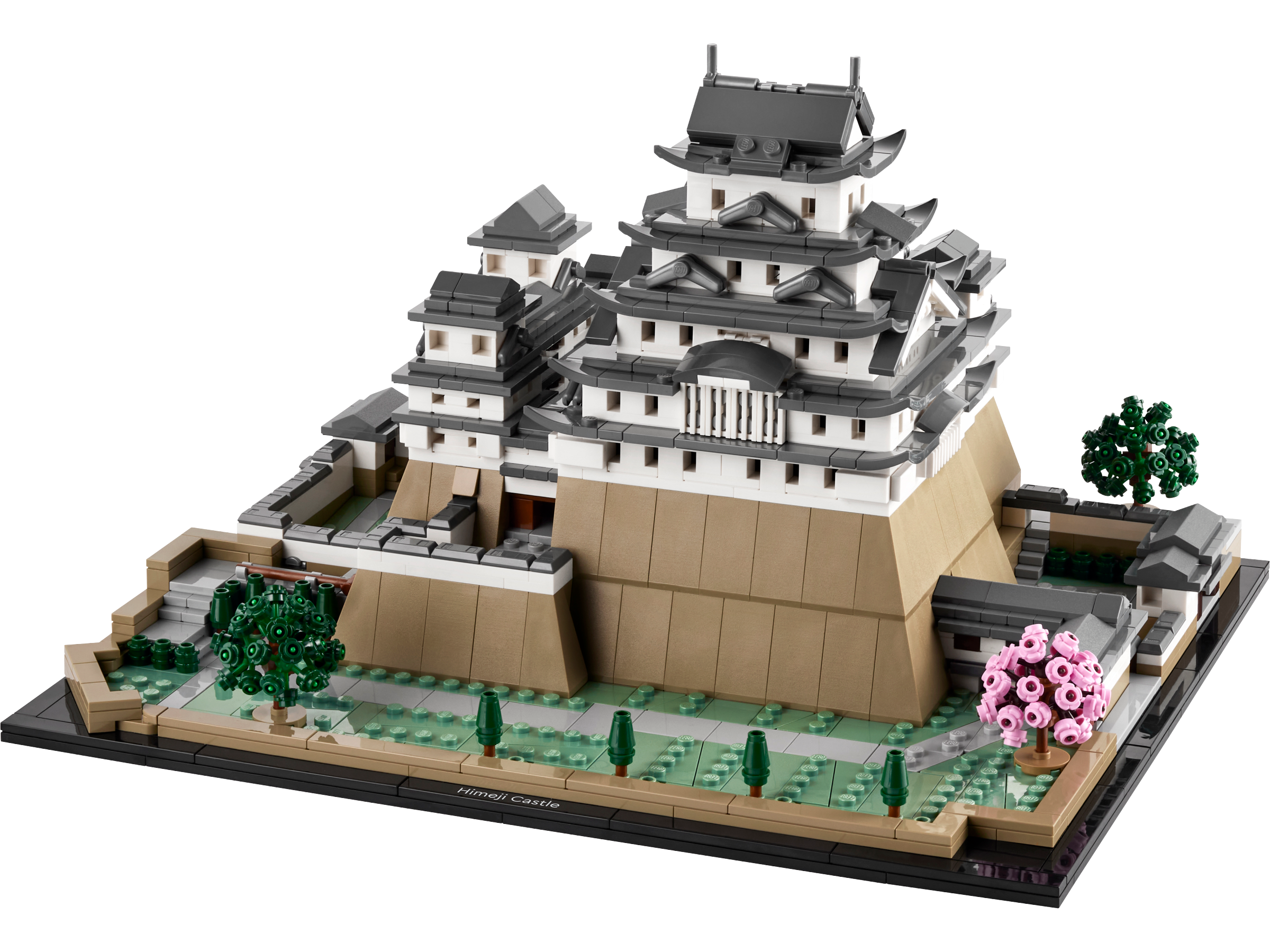
With 2125 pieces, the brings the elegance of Japan's most famous castle to life. This set is a superb example of how to convey complex Eastern architectural styles, including multi-tiered roofs and delicate wall patterns, using a limited color palette and innovative brick arrangements. Its symmetrical design and intricate landscaping around the base provide excellent lessons in microscale composition and detail work.
4. Taj Mahal
The PRODUCT_LINK[Item Number: 21056-1], comprising 2024 pieces, is an iconic representation of one of the world's most beautiful monuments. This set excels in demonstrating how to achieve intricate symmetry, elegant curves, and the distinctive domes and minarets of the Taj Mahal. It's a meditative build that results in a breathtaking display piece, perfect for those who admire global landmarks and sophisticated building techniques.
5. Trevi Fountain
At $159.99 and with 1880 pieces, the is a vibrant and detailed microscale model that captures the dynamic energy of Rome's famous fountain. This set is particularly noteworthy for its use of clear and trans-blue elements to simulate water, and for its ability to convey sculptural detail at a small scale. It's a fantastic choice for builders interested in replicating natural elements and complex sculptural forms in microscale.
The PRODUCT_LINK[Item Number: 21058-1], with 1476 pieces, offers a unique perspective by depicting the Giza plateau as it might have looked in ancient times, complete with the Nile River and surrounding structures. This set is a brilliant example of historical context in microscale, showing how to build not just a single structure, but an entire environment. It's ideal for history buffs and those who enjoy building landscapes alongside iconic buildings.
7. Architecture Studio
While not a specific landmark, the is an invaluable resource for any aspiring microscale MOC (My Own Creation) builder. With 1211 white and transparent bricks, along with a comprehensive guidebook, this set encourages free-form architectural design. It's perfect for experimenting with different shapes, textures, and structural concepts without the constraints of a pre-defined model. This set serves as an excellent foundation for developing your own microscale building vocabulary.
Other Notable Microscale Architecture Sets:
- Robie House (2276 pieces)
- Empire State Building (1767 pieces)
- Statue of Liberty (1685 pieces)
- The White House (1483 pieces)
- Trafalgar Square (1197 pieces)
- Imperial Hotel (1188 pieces)
- United States Capitol Building (1032 pieces)
- Fallingwater (811 pieces)
Quick Comparison of Top Microscale Architecture Sets
Here's a brief look at some of our top picks, helping you decide which microscale marvel to tackle next:
| Set Name | Item Number | Piece Count | Approx. Price | Best For |
|---|---|---|---|---|
| Notre-Dame de Paris | 21061-1 | 4382 | $$$$ | Ultimate detail, complex Gothic architecture |
| Neuschwanstein Castle | 21063-1 | 3455 | $279.99 | Fairytale grandeur, diverse rooflines |
| Himeji Castle | 21060-1 | 2125 | $$$ | Elegant Eastern architecture, subtle textures |
| Taj Mahal | 21056-1 | 2024 | $$$ | Symmetry, iconic global landmarks |
| Trevi Fountain | 21062-1 | 1880 | $159.99 | Dynamic water effects, sculptural detail |
Getting Started with Your Own Microscale MOCs
Once you've been inspired by official sets, you might feel the urge to create your own microscale MOCs (My Own Creations). Here's a step-by-step guide to begin your journey:
- Choose Your Subject: Start with something you're passionate about – a local landmark, a famous building, a fictional scene, or even a vehicle. Consider subjects with distinct, recognizable features that can be simplified.
- Gather Reference Material: Collect multiple photos from various angles. Pay attention to proportions, colors, key architectural features, and the surrounding environment.
- Determine Your Scale: Before building, decide how small you want to go. This will dictate the level of detail you can include and the types of parts you'll need.
- Sketch and Plan (Optional but Recommended): A rough sketch can help you visualize the overall shape and how different sections will connect. You might even plan out specific brick connections for challenging areas.
- Start with the Foundation: Begin with the base or the most prominent part of your model. This helps establish the scale and provides a stable starting point.
- Experiment with Parts: Don't be afraid to try different elements. A piece designed for one purpose might be perfect for another in microscale. A round plate could be a clock face, a robot arm could be a crane.
- Focus on Key Details: You can't replicate everything. Identify the most iconic features that immediately identify your subject and prioritize those.
- Embrace SNOT and Creative Connections: Use techniques like SNOT to achieve smooth surfaces, intricate angles, and details that wouldn't be possible with traditional stacking.
- Iterate and Refine: Your first attempt might not be perfect. That's part of the process! Build, evaluate, take apart, and rebuild. Microscale often involves numerous small adjustments.
- Source Your Parts: For custom MOCs, you'll likely need a variety of specific parts. Websites like BrickLink, LEGO's Pick-a-Brick service, or even sorting through your existing collection are great ways to acquire what you need.
- Share Your Creation: Once complete, share your microscale MOCs with the LEGO community online or at local fan events. You'll get valuable feedback and inspire others!
What to Consider When Buying Microscale LEGO Sets & Parts
Whether you're looking for an official set or gathering resources for your own creations, here are some factors to keep in mind:
1. Detail Level vs. Piece Count
More pieces often (but not always) mean more detail. Sets like Notre-Dame de Paris (4382 pieces) offer an incredibly intricate build experience. If you prioritize maximum fidelity to the real-world subject, higher piece counts in microscale usually deliver. However, some smaller sets can still be incredibly clever and detailed, so evaluate the finished model's appearance.
2. Display Space
Even microscale models can take up significant space if they're particularly large (like the base of Neuschwanstein Castle). Consider where you intend to display the model and check the dimensions of the finished product to ensure it fits comfortably.
3. Budget
LEGO Architecture sets can range from affordable entry points to premium collector's items. For example, Trevi Fountain is $159.99, while others can be significantly more. Determine your budget before falling in love with a set.
4. Personal Interest & Theme
Are you fascinated by European cathedrals, ancient wonders, or modern skylines? The LEGO Architecture line offers a wide array of subjects. Choose a set that genuinely excites you and aligns with your interests for the most enjoyable building and display experience. For free building, consider the Architecture Studio.
5. Sourcing Loose Parts for MOCs
If you're delving into custom microscale builds, you'll need specific small parts. Beyond your existing collection, sources include:
- BrickLink: The largest online marketplace for new and used LEGO parts from sellers worldwide.
- LEGO Pick-a-Brick: Purchase individual elements directly from LEGO, often available in specific colors and quantities.
- LEGO Store Pick-a-Brick Walls: If you have a physical LEGO Store nearby, their PAB wall can be a treasure trove for common small elements.
Conclusion
Microscale LEGO building offers a captivating and rewarding facet of the brick-building hobby. It's a space where ingenuity triumphs over size, where every tiny brick plays a crucial role in bringing grand visions to life. From the awe-inspiring detail of the Notre-Dame de Paris to the serene beauty of the PRODUCT_LINK[Item Number: 21060-1] Himeji Castle, official LEGO Architecture sets provide both incredible display pieces and invaluable lessons in advanced techniques.
Whether you're seeking to save display space, challenge your creative limits, or simply admire the intricate artistry of miniature models, microscale building has something for every LEGO enthusiast. So, grab some tiny bricks, explore the possibilities, and start creating your own detailed masterpieces. The world of microscale awaits!
Discover the intricate world of microscale LEGO building! Learn techniques, find the best LEGO Architecture sets like Notre-Dame and Neuschwanstein Castle, and create stunning tiny detailed models for display.
microscale LEGO, LEGO microscale building, tiny LEGO models, detailed LEGO builds, LEGO Architecture sets, microscale MOCs, SNOT building, small LEGO parts, miniature LEGO creations, Brick by Brick
Unlock the magic of microscale LEGO building! This comprehensive guide explores what microscale is, why it's captivating, essential techniques, and recommends top LEGO Architecture sets like Notre-Dame and Neuschwanstein Castle to inspire your own tiny, detailed creations. Dive into a world where small bricks make grand statements.
Q: What is microscale LEGO building?
A: Microscale LEGO building is a style of construction where models are created at a significantly smaller scale than standard minifigure scale, focusing on capturing the essential details, forms, and proportions of large real-world or fictional objects and scenes using small LEGO elements. The emphasis is on intricate detail and clever part usage rather than minifigure compatibility.
Q: What's the difference between microscale and minifigure scale?
A: Minifigure scale aims to represent objects in proportion to a LEGO minifigure (roughly 1:48 scale), allowing minifigures to interact with the model. Microscale, on the other hand, disregards minifigure compatibility entirely. Its goal is to depict large subjects (like entire buildings or cities) in a much smaller physical footprint, often using smaller bricks and advanced techniques to convey detail and form.
Q: Can beginners build microscale?
A: Absolutely! While advanced microscale MOCs can be challenging, official LEGO Architecture sets are designed with clear instructions, making them accessible to beginners who want to learn microscale techniques. Sets like the The White House or even the Architecture Studio are great starting points to understand the principles of building small and detailed.
Q: Where can I find parts for microscale MOCs?
A: For custom microscale MOCs, the best sources for individual LEGO elements are BrickLink (a vast online marketplace), LEGO's official Pick-a-Brick service, and the physical Pick-a-Brick walls found in LEGO Stores. These platforms allow you to acquire specific small plates, tiles, slopes, and modified bricks essential for microscale building.
Q: Are microscale LEGO sets good investments?
A: Historically, certain retired LEGO sets, including some from the Architecture line, have seen appreciation in value on the secondary market. However, this is primarily driven by scarcity, collector demand, and the set's original popularity. It's important to remember that the LEGO market can be unpredictable, and there's no guarantee of future value appreciation. We recommend purchasing sets for the joy of building and display, rather than as a guaranteed financial investment. Any discussion of monetary value should be based on historical data of past sales, not predictive language about future performance.
Q: What are some common techniques in microscale building?
A: Key techniques include SNOT (Studs Not On Top) building, which allows for attaching bricks to the sides of a model for smooth surfaces and angles; clever part usage, where small elements are repurposed for detail; and color blocking, using strategic color choices to define distinct areas. Forced perspective is also used in larger microscale scenes to create depth.
Q: What are some good sets to start with for microscale inspiration?
A: The LEGO Architecture series is an excellent starting point. Sets like the Himeji Castle, Trevi Fountain, or The White House are fantastic examples of intricate microscale design. For those wanting to design their own, the Architecture Studio provides a versatile collection of basic elements.
Use Our Tools to Go Further
Get more insights about the sets mentioned in this article with our free LEGO tools