
LEGO NPU, or Nice Part Usage, is a building technique where LEGO elements are used in creative, unconventional ways that go beyond their intended purpose to achieve a specific aesthetic, detail, or structural effect in a model. It's the art of seeing a headlight brick not just as a headlight, but as a textured wall detail, or a minifigure roller skate as a tiny architectural embellishment. Mastering NPU is a hallmark of advanced LEGO builders and is crucial for creating highly detailed, realistic, and visually stunning My Own Creations (MOCs) and official LEGO sets alike, enhancing both the building experience and the final display piece.

What is LEGO NPU (Nice Part Usage)?

NPU stands for Nice Part Usage. At its core, NPU is about ingenuity and seeing the potential in every LEGO brick, plate, or accessory. Instead of strictly adhering to a part's primary function (e.g., a car door for a car door), NPU encourages builders to explore secondary, tertiary, and even entirely new applications for elements. This approach allows builders to overcome the inherent "blockiness" of LEGO, creating smooth curves, intricate textures, and highly detailed representations of real-world objects or fantastical designs.

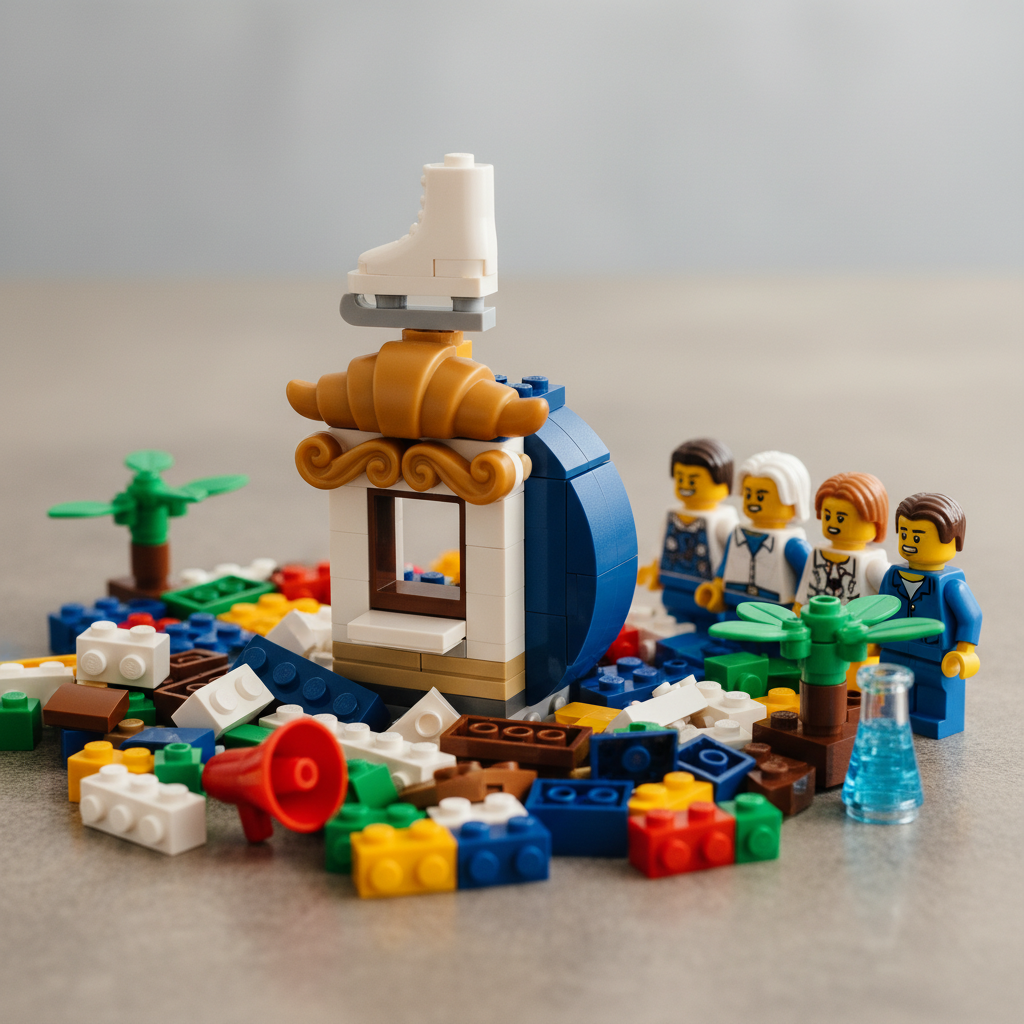
For example, a common NPU technique might involve using a LEGO croissant piece to create intricate architectural molding on a building, or a minifigure ice skate to form a delicate roof accent. These unexpected applications are what make NPU so exciting and satisfying for builders. It transforms a simple collection of plastic bricks into a canvas for boundless creativity, pushing the boundaries of what's possible with the LEGO system.

Key Takeaways: The Essence of NPU

  • Unconventional Application: Using a part for something other than its primary design purpose.
  • Enhanced Detail: Adding realism, texture, and intricate features to models.
  • Problem-Solving: Finding creative solutions when a standard brick won't achieve the desired effect.
  • Aesthetic Appeal: Elevating the visual quality and uniqueness of a build.
  • Creative Thinking: Encouraging builders to look at parts with new eyes.

The "Why": Elevating Your LEGO Builds with NPU

Why do experienced LEGO builders obsess over NPU? Because it's a powerful tool that unlocks a new level of sophistication and artistry in LEGO creation. Here's why integrating NPU techniques is essential for any aspiring master builder:

Achieving Unprecedented Realism and Detail

The beauty of NPU lies in its ability to inject incredible detail into models. Standard bricks, while versatile, can sometimes limit the fidelity of a replica. NPU allows builders to recreate complex textures, intricate patterns, and subtle curves that would be impossible with traditional stacking. This is particularly evident in sets designed for display, such as the Notre-Dame de Paris or the Neuschwanstein Castle, where tiny, unexpected parts are used to capture the grandeur and delicate architectural nuances of these iconic structures.

Overcoming Limitations and Solving Building Challenges

Every builder eventually encounters a moment where no standard brick seems to fit the vision. NPU provides a robust toolkit for creative problem-solving. Need a specific greebling effect on a spaceship? A minifigure utensil might be the answer. Want a unique roof texture for a modular building? Perhaps some inverted slopes combined with grill tiles, or even minifigure hairpieces, could do the trick. NPU transforms obstacles into opportunities, encouraging builders to think outside the box (or brick, in this case).

Creating Unique Aesthetic Appeal and Expressing Originality

A build rich with NPU stands out. It shows skill, dedication, and a deep understanding of the LEGO system. When you see a model that uses a car fender as a curved roof element, or a tire as a textured pillar, there's an immediate appreciation for the builder's cleverness. This commitment to unique part usage elevates a MOC from merely "built" to "crafted," fostering a sense of originality and personal style that resonates deeply within the LEGO community.

Fostering Community Engagement and Inspiration

The discovery and sharing of NPU techniques are cornerstones of the online LEGO community. Platforms like Reddit, Flickr, and various LEGO fan sites buzz with builders showcasing their latest NPU "aha!" moments. This shared passion inspires others, sparks new ideas, and creates a vibrant ecosystem of learning and collaboration. When you incorporate NPU into your builds, you're not just building; you're participating in a rich tradition of LEGO innovation.

Maximizing Part Value and Cost-Effectiveness

For builders with a limited parts collection, NPU is a godsend. It teaches you to squeeze every last drop of potential out of the bricks you already own. Instead of needing to buy a specific, rare part, an NPU mindset helps you repurpose common elements to achieve a similar or even better effect. This makes the hobby more accessible and encourages a deeper understanding of part versatility, leading to more resourceful and sustainable building practices.

How to Discover and Implement NPU Techniques

Becoming a master of NPU is a journey, not a destination. It requires observation, experimentation, and a willingness to challenge conventional thinking. Here's a roadmap to cultivating your NPU skills:

  1. Study Official LEGO Sets: LEGO's own designers are NPU wizards. Pay close attention to how they use parts in complex, detailed models.
  2. Experiment with Parts in Isolation: Pick up a single, unusual LEGO element. Hold it, rotate it, and ask yourself: "What else could this be?" Imagine it as part of different scales and contexts. A minifigure head, for instance, could be a decorative knob, a small buoy, or even a tiny planet.
  3. Look Beyond the Obvious Function: Don't let a part's name or primary design dictate its use. A 'fender' can be a curved roof, a 'fishing rod' can be a delicate antenna, a 'sausage' can be a decorative scroll. This involves detaching the part from its intended narrative and focusing purely on its shape, texture, and connection points.
  4. Deconstruct and Analyze MOCs: Explore MOCs shared by other builders online. Many talented creators highlight their NPU choices. When you see something clever, try to reverse-engineer it. What part did they use? How did they connect it? Why did they choose that specific element?
  5. Practice with Open-Ended Sets: Sets that provide a wide variety of basic and unique elements are perfect for honing NPU skills. The Architecture Studio (1211 pieces) is specifically designed to encourage creative architectural exploration with a diverse palette of white and transparent bricks. Similarly, LEGO Classic Creative Brick Boxes offer a broad assortment of parts to experiment with.
  6. Embrace "Greebling": While not strictly NPU, greebling (adding surface detail using small, often technical parts) often involves NPU techniques to create intricate textures and functional-looking elements on models, especially spaceships or industrial structures.

Essential LEGO Parts for NPU Enthusiasts

While any LEGO part can be subject to NPU, some elements are particularly versatile and beloved by builders for their ability to be repurposed. Stocking up on these can kickstart your NPU journey:

  • SNOT Bricks (Studs Not On Top): These bricks (e.g., headlight bricks, brackets) allow you to build in multiple directions, essential for attaching NPU elements sideways or upside down.
  • Clip and Bar Elements: Small clips, handles, and bars offer flexible connection points for attaching parts at various angles or creating intricate assemblies.
  • Hinges and Ball Joints: Crucial for creating organic curves, articulated limbs, or dynamic posing that traditional brick stacking can't achieve.
  • Rounded Tiles and Plates: 1x1 round tiles, 1x1 quarter tiles, and various curved slopes are excellent for smoothing out edges, adding texture, or creating small, decorative details.
  • Minifigure Accessories: Tools (wrenches, hammers), food items (croissants, bananas), and even hairpieces or headwear often have unique shapes perfect for repurposing.
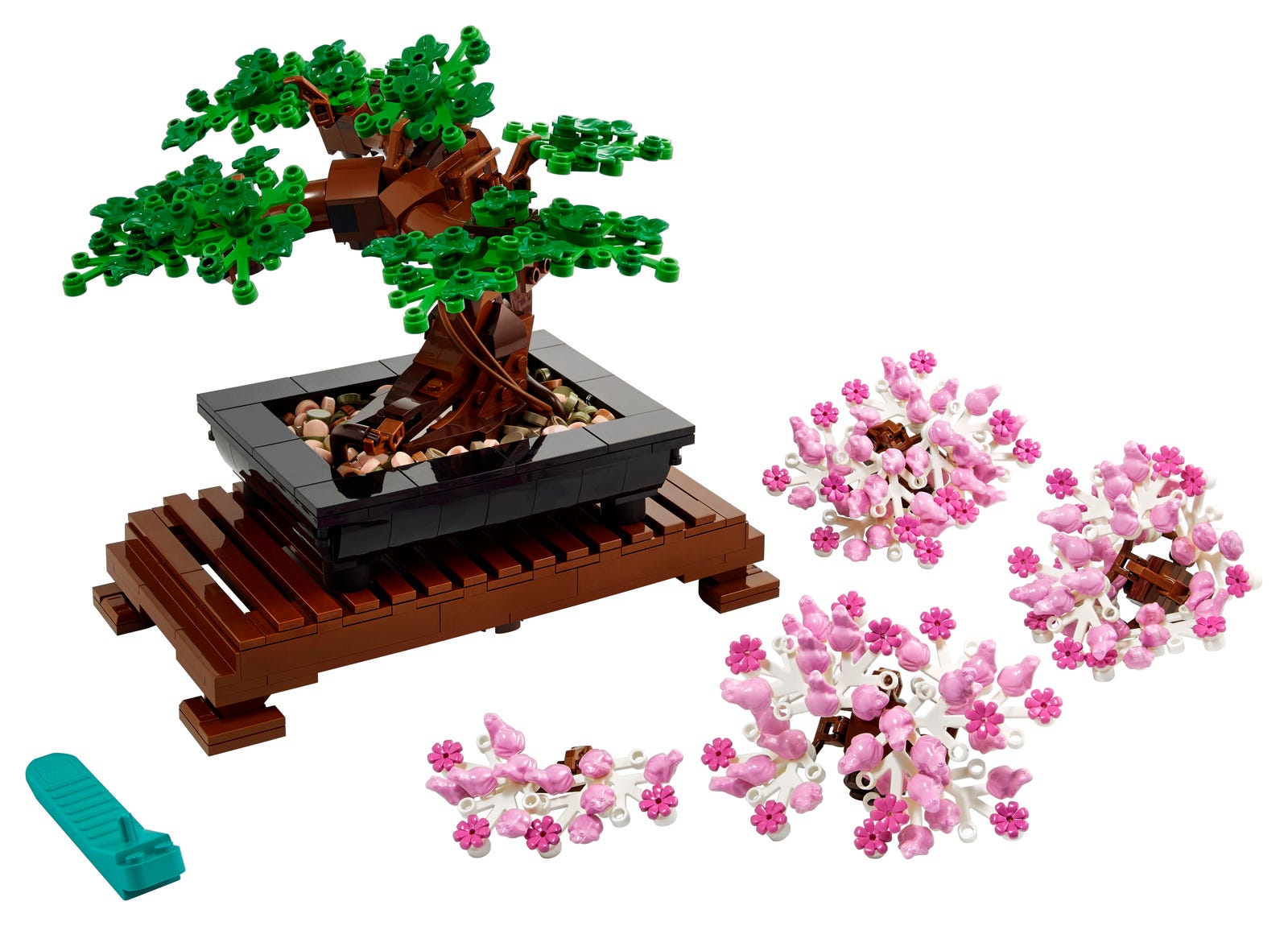
  • Plant Elements: Leaves, flowers, and vines can be used for natural textures, architectural flourishes, or even abstract art.
  • Technic Pins and Axles: Beyond their functional purpose in Technic models, these can be used for structural reinforcement or as tiny decorative elements.

Consider starting with sets that offer a broad mix of these elements. The Architecture Studio is a fantastic choice for those looking to build creatively, as it provides a wide range of essential architectural elements. For a more general assortment, a large LEGO Classic Creative Brick Box is always a good investment.

Spotlight on Sets Demonstrating Masterful NPU

LEGO's official designers are pioneers of NPU, constantly pushing the boundaries of what's possible with the brick. Here are some remarkable sets, primarily from the Architecture theme, that showcase incredible Nice Part Usage:

Notre-Dame de Paris

  • Piece Count: 4382
  • Category: Architecture
  • Why it's an NPU Masterpiece: This monumental set is a clinic in using diverse pieces to recreate the cathedral's gothic splendor. Look closely at the rose windows, the intricate flying buttresses, and the detailed statuary. Designers use small plates, grill tiles, and even Technic pins in unexpected ways to capture the texture and complexity of stone carvings and stained glass. It's a testament to how NPU can bring historical accuracy and breathtaking detail to a LEGO model, making it a truly immersive display piece for adult builders.

Neuschwanstein Castle

  • Price: $279.99
  • Piece Count: 3455
  • Category: Architecture
  • Why it's an NPU Masterpiece: Recreating the fairytale spires and romantic curves of Neuschwanstein Castle demands exceptional NPU. This set utilizes a myriad of sloped and rounded elements, combined with subtle greebling, to achieve the castle's unique silhouette and textured facades. The way the turrets are constructed, often using multiple small parts to create a seamless, organic shape, is a brilliant example of advanced building techniques for display.

Taj Mahal

  • Piece Count: 2024
  • Category: Architecture
  • Why it's an NPU Masterpiece: The iconic domes and minarets of the Taj Mahal are perfectly captured through a clever combination of curved slopes, rounded plates, and even inverted dish elements. The intricate patterns and delicate arches are replicated using small tiles and jumper plates, demonstrating how NPU can achieve both grand scale and minute detail. It's an ideal set for adult builders who appreciate symmetry and architectural elegance.

Architecture Studio

  • Piece Count: 1211
  • Category: Architecture
  • Why it's an NPU Masterpiece: While not a replica of a specific landmark, the Architecture Studio is arguably the ultimate NPU training ground. It provides a vast assortment of white and transparent basic elements, along with an inspirational guidebook, to encourage free-form architectural design. This set forces you to think creatively about how common bricks can be combined in uncommon ways to represent windows, walls, textures, and structural elements, making it perfect for those who want to practice and discover their own NPU techniques.

Other Notable NPU Examples:

  • Himeji Castle (2125 pieces): Showcases NPU for recreating traditional Japanese architecture, including intricate rooflines and wall textures.
  • Trevi Fountain (1880 pieces): Masterful use of transparent and textured pieces to simulate water, intricate statues, and ornate stonework.
  • LEGO Botanical Collection: Sets like the Orchid or Bird of Paradise are incredible for organic NPU, turning unexpected pieces into realistic flora.
  • LEGO Creator Expert Modular Buildings: These sets are renowned for their intricate details, often employing NPU for window frames, cornices, and decorative elements.
  • LEGO Ideas Tree House (21318): A fantastic example of organic NPU, using diverse elements to create natural textures for trees, leaves, and water features.

Quick Comparison Table: Architecture Sets for NPU Inspiration

Here's a comparison of some top LEGO Architecture sets that excel in demonstrating diverse NPU techniques, perfect for both building and display:

Set Name Price Point Piece Count Age Range Best For NPU
Notre-Dame de Paris $$$$ 4382 18+ Intricate gothic detail, flying buttresses, stained glass effects.
Neuschwanstein Castle $$$ 3455 18+ Organic curves, spires, and textured facades for fairytale aesthetic.
Taj Mahal $$$ 2024 18+ Symmetry, domes, and delicate patterns using small, varied elements.
Himeji Castle $$$ 2125 16+ Traditional Japanese architecture, complex rooflines, and wall textures.
Architecture Studio $$ 1211 16+ Open-ended creative building, diverse basic elements for experimentation.

What to Consider When Buying for NPU

When you're looking to expand your LEGO collection with NPU in mind, consider these factors to maximize your creative potential:

  • Part Variety and Uniqueness: Look for sets that offer a broad assortment of different elements, especially those with unusual shapes, textures, or connection points. Architecture, Creator Expert, and Botanical Collection sets often excel in this regard, providing elements that can be repurposed. Sets like the Architecture Studio are specifically designed for this purpose.
  • Theme Relevance for Your Interests: If you're passionate about realistic models, the Architecture theme (e.g., Notre-Dame de Paris, Neuschwanstein Castle) will provide excellent examples of NPU in intricate detailing. If organic forms appeal to you, the Botanical Collection is a perfect fit. Technic sets (like the Bugatti Chiron (42083)) offer functional NPU.
  • Display Potential of the Finished Model: Many NPU-rich sets are designed to be stunning display pieces. If you enjoy showcasing your builds, choose sets that offer intricate details and sophisticated aesthetics. The market research shows a strong emphasis on detailed display models for adult builders.
  • Budget and Value Proposition: NPU can be practiced with any budget. Smaller sets can offer surprising NPU examples, and larger sets provide a vast parts inventory. Consider the piece count relative to the price. For example, the Trafalgar Square (1197 pieces) offers great value for a detailed landmark.
  • Community Feedback and MOC Inspiration: Before buying, check out online communities. See which sets MOC builders frequently reference for their clever part usage. This can give you insights into the NPU potential of a set beyond its official instructions.

Conclusion

LEGO NPU is more than just a technique; it's a mindset that transforms the way you interact with every brick in your collection. It's about seeing the hidden potential, embracing creative problem-solving, and ultimately, elevating your LEGO builds to works of art. From the intricate facades of the Notre-Dame de Paris to the delicate flora of the Botanical Collection, official LEGO sets are brimming with inspiration, showcasing how designers masterfully employ Nice Part Usage.

Whether you're an experienced AFOL (Adult Fan of LEGO) or just starting your creative journey, embracing NPU will deepen your appreciation for the LEGO system and unlock new levels of satisfaction in your building. So, grab a handful of bricks, look at them with fresh eyes, and start discovering the amazing possibilities that lie beyond their intended use. The next great NPU discovery could be yours!

Unlock advanced LEGO building with NPU (Nice Part Usage)! Discover creative techniques, essential parts, and top sets like Notre-Dame de Paris that master this art. Elevate your MOCs today!

LEGO NPU, Nice Part Usage, LEGO building techniques, creative LEGO building, LEGO MOCs, LEGO Architecture, advanced LEGO, LEGO tips, LEGO parts, LEGO inspiration

Dive into the world of LEGO NPU (Nice Part Usage) and transform your building skills. Learn how to repurpose LEGO elements for stunning detail and realism, inspired by official sets like Notre-Dame de Paris. This guide covers what NPU is, why it matters, how to find new techniques, and which sets are perfect for practicing.

Q: What does NPU stand for in LEGO building?
A: NPU stands for Nice Part Usage. It's a term used by LEGO fans to describe the creative and often unconventional use of LEGO elements beyond their primary intended purpose to achieve a specific aesthetic or structural detail in a model.

Q: Is NPU only for advanced LEGO builders?
A: While NPU is often associated with advanced builders, anyone can start practicing it. It involves looking at bricks differently and experimenting. Many official LEGO sets contain subtle NPU examples, and sets like the Architecture Studio are great for builders of all levels to explore creative part usage.

Q: How can I find new NPU techniques and inspiration?
A: You can find NPU inspiration by studying official LEGO sets (especially Architecture and Creator Expert), browsing online LEGO communities (e.g., Reddit, Flickr), watching MOC showcases, and experimenting with your own brick collection. Try to look beyond a part's primary function.

Q: Which LEGO themes are best for discovering and practicing NPU?
A: LEGO Architecture, Creator Expert Modular Buildings, and the Botanical Collection are excellent themes for NPU due to their intricate details and unique part usage. LEGO Classic Creative Brick Boxes are also fantastic for open-ended experimentation.

Q: Does LEGO officially endorse or use the term NPU?
A: "NPU" is primarily a fan-created term. However, LEGO's own designers are masters of the technique, constantly pushing boundaries of part usage to create innovative and detailed models, even if they use different internal terminology.

Q: What's the difference between NPU and SNOT?
A: SNOT (Studs Not On Top) is a specific building technique for changing stud direction. NPU (Nice Part Usage) is a broader concept of creatively repurposing any LEGO element. SNOT is often a technique used to enable NPU by allowing a cleverly repurposed part to be integrated in an unconventional orientation.

Q: Can NPU make my MOCs more valuable for collectors?
A: While exceptional NPU enhances the aesthetic appeal and recognition of your MOCs within the building community, directly correlating it to monetary value is complex and subjective. Focus on the joy of building and sharing your creations rather than potential financial returns.