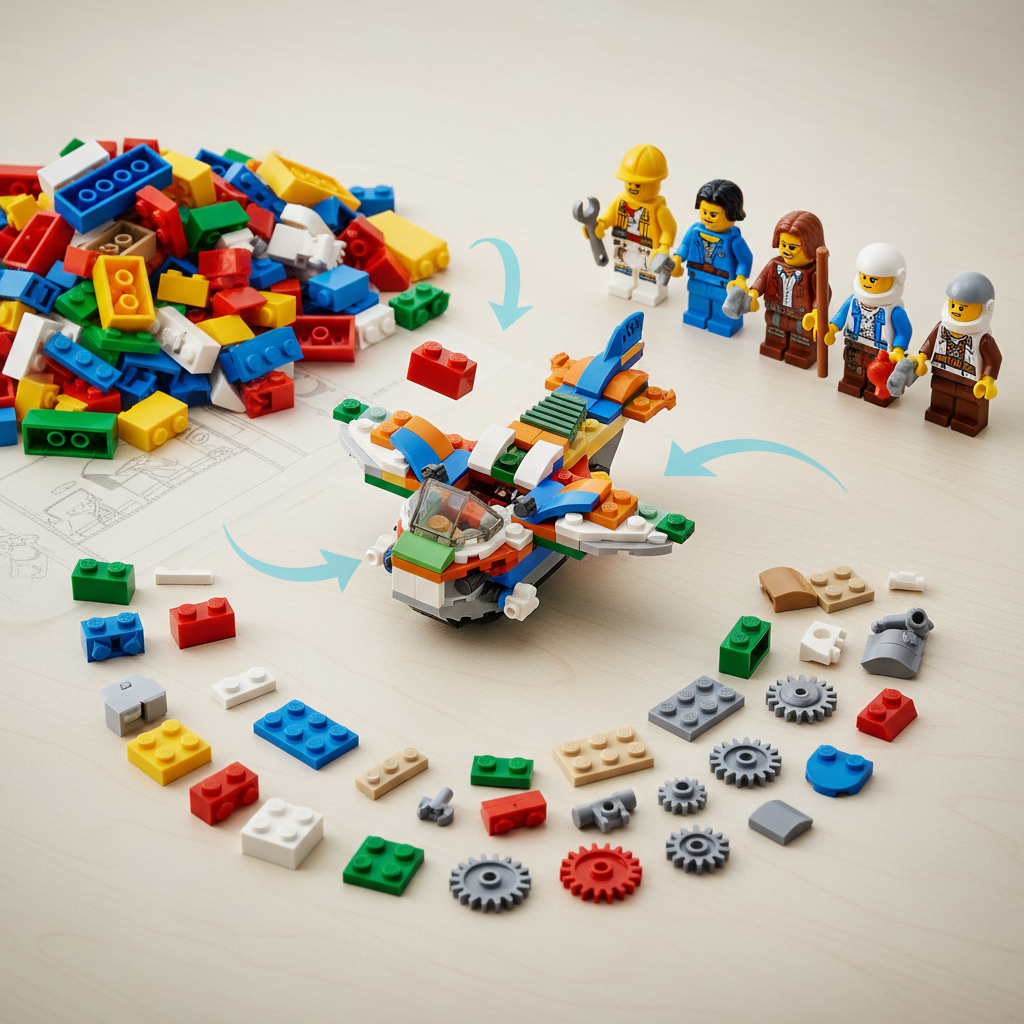

Ever stared at a LEGO instruction manual, only to realize you’re missing that one crucial piece? Or perhaps you're deep into a custom build (a MOC, or My Own Creation, as we call them!) and don't have the exact element you envisioned? Fear not, fellow brick enthusiast! LEGO part substitutes are all about creative problem-solving, expanding your building possibilities, and unlocking new levels of ingenuity. By understanding how to effectively swap out pieces, you can overcome inventory limitations, achieve unique aesthetics, and truly make your LEGO creations one-of-a-kind, turning a potential roadblock into a launchpad for innovation.

The Art of the Swap: Why LEGO Part Substitution is a Game Changer

In the vast universe of LEGO, with its tens of thousands of unique elements, it's virtually impossible for any single builder to possess every piece. This is where the magic of substitution comes in. It's not just about coping with missing parts; it's a fundamental skill that transforms how you approach building, fostering creativity and resourcefulness.

Why Embrace Part Substitution?

  • Overcome Missing Pieces: The most common reason! Whether a piece went rogue or your dog thought it was a snack, substitution keeps your build moving.
  • Budget-Friendly Building: Specific, rare, or large parts can be expensive. Finding common alternatives saves money, especially for large MOCs.
  • Unlock New Aesthetics: Sometimes, a substitute piece, even if not an exact match, can create an unexpected texture, angle, or detail that enhances your model.
  • Creative Problem-Solving: It challenges you to think outside the box, seeing the potential in every brick, not just its intended use. This is a core tenet of advanced LEGO building.
  • Personalization of MOCs: Custom builds thrive on unique touches. Substitutions allow for greater artistic expression and individuality, ensuring your creation truly is "My Own Creation."
  • Expanding Your Skills: Mastering substitution deepens your understanding of LEGO geometry, connection points, and structural integrity.

The LEGO design philosophy itself, often described as "system in play," encourages this versatility. Every brick is designed to connect seamlessly with almost any other, making substitution not just possible, but often surprisingly effective. This ethos is particularly evident in themes like the LEGO Art series, where thousands of small tiles and plates come together to form larger images, demonstrating how common elements can create intricate designs. Consider sets like PRODUCT_LINK[Item Number: 31203-1], the massive World Map, which uses over 11,000 small elements to create incredible detail and texture, showcasing the power of basic brick versatility.

Common LEGO Part Substitutions: A Builder's Toolkit

Let's dive into some of the most frequent and effective part swaps you can make. Understanding these will dramatically improve your building flexibility.

1. Plates for Bricks (and vice versa)

  • The Basics: Three standard plates stacked vertically equal the height of one standard brick. A 1x1 brick is 3 plates tall; a 2x4 brick is equivalent to three 2x4 plates stacked.
  • When to Substitute:
    • Missing Bricks: If you need a 2x2 brick but only have 2x2 plates, stack three of them.
    • Adding Detail: Using plates instead of a brick can introduce subtle horizontal lines or allow for more intricate layering.
    • Creating SNOT (Studs Not On Top) Connections: Plates, especially modified plates with clips or handles, are crucial for SNOT techniques, where studs face in directions other than up.
  • Example: Building a wall texture. Instead of a smooth wall of bricks, using a mix of bricks and plates can create varied depth and shadow, as seen in many advanced architectural MOCs.

2. Tiles for Plates (and for each other)

  • The Basics: A tile is essentially a plate without studs, providing a smooth finish. They come in various sizes (1x1, 1x2, 2x2, etc.) and often have special modified versions like jumper plates (which have a single stud in the center) or grille tiles.
  • When to Substitute:
    • Smooth Surfaces: If you need a smooth floor, roof, or panel, tiles are the go-to. If you're out of a specific size tile, use multiple smaller tiles to cover the same area (e.g., two 1x2 tiles for a 1x4 tile).
    • "Half-Stud" Offsets: Jumper plates (1x2 plates with 1 stud) are invaluable for creating connections that are offset by half a stud, allowing for more precise alignment in complex builds.
    • Detailing: Grille tiles (1x2, 1x4) can substitute for textured surfaces or vents. Round tiles can represent lights, buttons, or decorative elements.
  • Product Spotlight: LEGO Art Sets
    The entire LEGO Art theme is a masterclass in tile and plate substitution. Sets like Harry Potter Hogwarts Crests or Jim Lee Batman Collection are composed almost entirely of small 1x1 round plates and tiles. Builders often find themselves needing specific colors for these mosaics, and knowing how to substitute a 2x2 tile for four 1x1 tiles, or two 1x1 plates and two 1x1 tiles for a 2x2 tile (if the studs won't show), is key. These sets are excellent for building up a diverse inventory of small, versatile pieces.

3. Modified Bricks and Plates for Standard Elements

  • The Basics: These are standard bricks or plates with extra features like clips, hinges, studs on the side (SNOT bricks), or technic pin holes.
  • When to Substitute:
    • SNOT Techniques: A 1x1 brick with a stud on one side can substitute for a regular 1x1 brick if you need to attach something sideways.
    • Adding Connection Points: A plate with clips or a headlight brick (1x1 plate with a stud on the side) can serve as a regular plate or brick while offering additional connection possibilities for future detailing.
    • Structural Reinforcement: Technic bricks and plates with holes can often replace standard bricks and plates, providing stronger connections, especially when using Technic pins.
  • Quick Fact: The "headlight brick" (officially a "Brick 1x1 with Headlight") is one of the most versatile SNOT elements, allowing for connections on four sides!

4. Technic Elements for Structural & Aesthetic Purposes

  • The Basics: Technic bricks, pins, axles, and liftarms are known for their robust connections and mechanical functions, but they also have aesthetic uses.
  • When to Substitute:
    • Stronger Connections: If a standard brick connection feels weak, substituting with Technic bricks and pins can provide a much sturdier joint.
    • Greebling: Technic pins and axles, when exposed, can create fantastic "greebling" details – intricate surface textures that suggest mechanical complexity, commonly seen in sci-fi models.
    • Open Structures: Technic liftarms can create open, skeletal structures that are difficult to achieve with traditional System bricks, offering a lighter, more industrial look.
  • Example: Using a Technic axle connector as a small vent or engine nozzle on a spaceship.

Advanced Workarounds: Repurposing Specialized Pieces

This is where true LEGO mastery shines – taking pieces designed for one specific purpose and giving them an entirely new life. This is especially relevant for creative builds where unique textures and shapes are desired.

1. Minifigure Accessories & Tools

  • Original Use: Hands, weapons, tools, hats, hairpieces.
  • Creative Substitutions:
    • Fences & Railings: Minifigure baseball bats or crowbars can become small decorative fences or railings in architectural builds.
    • Pipes & Wiring: Whips or flexible tubes can represent pipes, cables, or organic tendrils.
    • Architectural Details: Minifigure hats or helmets can be used as intricate roof ornaments, domes, or even small rock formations in landscapes.
    • Greebling: Small accessories like wrenches, binoculars, or even unattached minifigure hands can add incredible detail to industrial or sci-fi models.

2. Plant Elements & Organic Shapes

  • Original Use: Leaves, flowers, trees, vines.
  • Creative Substitutions:
    • Water & Waves: Blue or transparent green plant leaves can be layered to create textured water effects.
    • Flame/Energy Effects: Transparent orange, red, or yellow flower stems or flame pieces can be repurposed for energy blasts, magical effects, or abstract art.
    • Textured Walls: Clusters of green leaves can create mossy or overgrown wall textures.
    • Alien Terrain: Brightly colored flower petals or plant stalks can form otherworldly flora or alien rock formations.
  • Product Inspiration: The LEGO Botanical Collection sets are prime examples of repurposing. They use car hoods for petals, dinosaur tails for leaves, and minifigure hairpieces for flower centers, demonstrating unparalleled creative substitution.

3. Vehicle Parts & Animal Elements

  • Original Use: Car doors, windscreens, wheels, animal horns, wings.
  • Creative Substitutions:
    • Architectural Facades: Car doors or large curved vehicle panels can become futuristic building facades, sleek spaceship hulls, or decorative arches.
    • Abstract Shapes: Animal horns or claws can be integrated into abstract sculptures, monstrous details, or even unique architectural flourishes.
    • Windows & Panes: Windscreens aren't just for cars; they can be unique windows in buildings or cockpits in custom spacecraft.
    • Mechanical Details: Wheels and tires can be used as gears, circular vents, or heavy machinery components in industrial builds.
  • Consider: PRODUCT_LINK[Item Number: 31215-1], the Vincent van Gogh – Sunflowers set. While not using vehicle parts, it uses unique, often curved elements in innovative ways to create the 3D, painterly effect, encouraging builders to see pieces beyond their traditional function.

The Power of Color Substitution

Sometimes, it's not the shape that's missing, but the specific color. Color substitution is a vital skill for any builder, especially those working on large displays or artistic mosaics.

  • Gradient Effects: If you're missing a specific shade (e.g., dark blue), you can often use a slightly lighter (medium blue) or darker (dark azure) shade to create a subtle gradient effect, adding visual interest rather than just a uniform color.
  • Abstract Art: For sets like Art Project - Create Together, which encourages freeform artistic expression, color substitution is almost expected. You're meant to experiment and create your own patterns and designs, often using whatever colors you have on hand. This set is fantastic for developing an eye for color and pattern substitution.
  • "Close Enough" Principle: For interior structures or less visible areas of a MOC, using a completely different, readily available color (often referred to as "ugly colors" by builders, like lime green or bright pink, as they're usually hidden) is perfectly acceptable to maintain structural integrity without affecting aesthetics.

Building Your Inventory for Future Substitutions

The best way to be prepared for part substitution is to have a diverse inventory. Here are some excellent starting points:

Recommended Sets for Versatile Parts

  1. LEGO Classic Creative Sets:
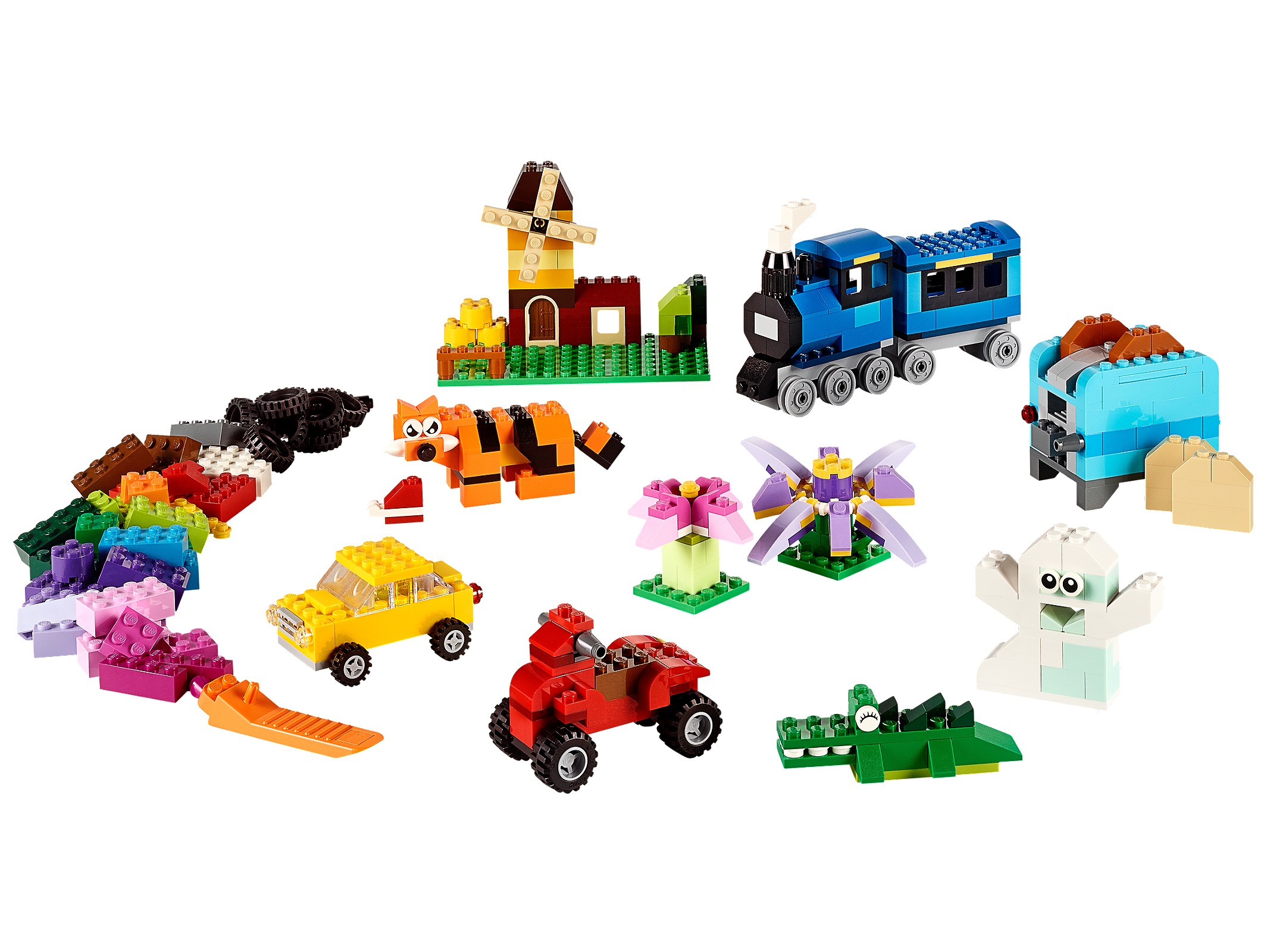
    • LEGO Classic Creative Suitcase (10713): Packed with basic bricks, plates, and special elements in various colors, this set is a fantastic foundation for any builder. It's designed for open-ended play, making it perfect for experimenting with substitutes.
    • LEGO Classic Creative Fun (11005): Similar to the suitcase, this set offers a wide array of fundamental bricks and elements, encouraging creative building and providing a good stock of common parts.
  2. LEGO Art Sets:
    • World Map: With an astonishing 11,695 pieces, this set is a treasure trove of 1x1 round tiles and plates in a vast spectrum of colors. It's not just a beautiful display piece, but an incredible parts pack for any mosaic or detailed build.
    • The Milky Way Galaxy: Another high-piece-count LEGO Art set (3,091 pieces) rich in small elements. Ideal for expanding your collection of diverse colors and types of tiles and plates.
    • Floral Art: This set (2,870 pieces) offers a lovely palette of greens, pinks, and other natural tones, perfect for organic builds or vibrant mosaics.
    • Art Project - Create Together: This set is specifically designed for collaborative creativity, featuring a wide range of tiles and plates for creating unique patterns and designs. It encourages the very idea of experimenting with different pieces to achieve a desired look.
    • Vincent van Gogh – Sunflowers: While offering a unique 3D building experience, its 2,615 pieces include many small, intricate elements that can be repurposed for other detailed projects.

    LEGO Art sets, ranging typically from $50-$200, are excellent for adult builders seeking mindful, creative outlets and a rich source of small, versatile pieces. They align perfectly with the trend of customization and displayable art.

  3. LEGO DOTS Sets:
    • LEGO DOTS sets are fantastic for accumulating a large quantity of 1x1 tiles in various colors and printed patterns, perfect for detailed mosaics or adding flair to any build.

Quick Facts: The Benefits of Part Substitution

  • Cost Savings: Avoid buying expensive individual bricks.
  • Creative Boost: Develops problem-solving and out-of-the-box thinking.
  • Unique Builds: Personalize MOCs and make them truly original.
  • Resourcefulness: Maximizes the utility of your existing brick collection.
  • Faster Building: Reduces waiting time for ordered parts.

Quick Comparison: Top LEGO Art Sets for Part Diversity

Here's a look at some of the best LEGO Art sets for building up a versatile collection of small pieces, ideal for future substitutions and creative projects.

Product Name Item Number Piece Count Best For
World Map 31203-1 11,695 Massive quantity of 1x1 round tiles/plates in diverse colors; ultimate parts pack.
Art Project - Create Together 21226-1 4,138 Variety of small plates/tiles for collaborative, freeform art; encourages experimentation.
Harry Potter Hogwarts Crests 31201-1 4,249 Good for specific color palettes (e.g., house colors) and mosaic building.
Vincent van Gogh – Sunflowers 31215-1 2,615 Unique elements for 3D textures and abstract forms; great for repurposing.
Floral Art 31207-1 2,870 Excellent for organic, nature-themed colors and shapes.

What to Consider When Buying for Substitution Potential

When you're looking to expand your LEGO collection with substitution in mind, keep these factors at the forefront:

1. Piece Count and Diversity

Look for sets with a high piece count, especially those that include a wide variety of small, common elements like 1x1, 1x2, 2x2 plates and tiles, and basic bricks. The more different types of pieces, the more options you'll have for substitution. LEGO Classic boxes and LEGO Art sets are exceptional for this.

2. Color Palette

Consider the color range within a set. A set with a broad spectrum of colors offers more flexibility for aesthetic substitutions. If you're building specific themes, like landscapes or spaceships, target sets that naturally contain those color groups (e.g., greens/browns for nature, grays/whites for sci-fi).

3. Specialized vs. Generic Elements

While specialized elements (like large unique molds or character-specific pieces) can sometimes be repurposed creatively, generic bricks, plates, and tiles offer the highest substitution potential. Focus on sets that provide a good balance, leaning towards generic for bulk, but appreciating unique pieces for their potential for creative reinterpretation.

4. Price Point and Value

Evaluate the price per piece. Sets like the World Map, despite its higher initial cost, offers an incredible value in terms of piece count and diversity, making it an excellent investment for parts. Generally, LEGO Classic and DOTS sets also offer great value for basic and small tile pieces.

5. Your Building Style

Are you an architectural builder? A spaceship designer? A mosaic artist? Choose sets that naturally align with the types of pieces you'll frequently use or need to substitute in your preferred building style. For instance, if you love mosaics, any of the LEGO Art sets like Elvis Presley – The King or The Sith will be invaluable.

Frequently Asked Questions About LEGO Part Substitutes

What does MOC stand for in LEGO?

MOC stands for My Own Creation. It refers to any LEGO model that a builder designs and constructs themselves, rather than following official LEGO instructions. MOCs are where creativity, ingenuity, and often, part substitution truly shine.

Is it okay to substitute LEGO parts in official sets?

Absolutely! While purists might stick strictly to the instructions, there's no "wrong" way to build with LEGO. Substituting parts in official sets is a fantastic way to personalize a model, especially if you're missing a piece or want to experiment with different colors or textures. It's your LEGO, build it your way!

Where can I find ideas for creative LEGO part workarounds?

The LEGO community is a goldmine! Websites like Rebrickable.com (which even has a "build with parts you own" feature), Flickr groups, Instagram hashtags (#legomoc, #legosubstitute, #legotechniques), and YouTube channels dedicated to LEGO building are excellent resources. Studying official LEGO sets, especially the more complex ones like the LEGO Set 21333 (LEGO Ideas Vincent van Gogh - The Starry Night), can also reveal clever part usage.

Do part substitutions devalue a LEGO set or MOC?

For official, sealed LEGO sets, any modification, including part substitution, would generally reduce its collector's value. However, for MOCs, the value is entirely subjective and based on creativity, design, and execution. A clever and effective part substitution can actually enhance the perceived value and ingenuity of a MOC in the eyes of other builders, showcasing your skill and resourcefulness. It's about the art, not the original part list.

What are some common "ugly colors" used for hidden internal structures?

Builders often refer to colors like lime green, bright pink, orange, or bright light yellow as "ugly colors" when they're used internally because they typically stand out starkly from most exterior color schemes. These colors are often abundant in general parts bins and are perfect for structural elements that won't be seen in the final model, saving your more aesthetically pleasing colors for the exterior.

How can I manage my LEGO parts inventory to make substitution easier?

Effective organization is key! Sort your bricks by type (plates, bricks, tiles, modified bricks, Technic, etc.) and then by color. Using clear storage containers allows you to quickly identify available parts. Digital inventory tools like BrickLink's Wanted List or Rebrickable's "My LEGO" feature can also help you keep track of what you own and suggest alternative parts for builds.

Can I substitute a large piece with multiple smaller pieces?

Yes, absolutely! This is one of the most fundamental substitution techniques. For example, if you need a 2x4 brick but only have 2x2 bricks, you can use two 2x2 bricks side-by-side. Similarly, a 2x4 plate can be made from two 2x2 plates or even four 1x2 plates. Just ensure the combined smaller pieces maintain the same dimensions and structural integrity as the original large piece.

Conclusion: The Infinite Possibilities of the Brick

The world of LEGO part substitutes is a testament to the endless creativity inherent in the LEGO system. Far from being a mere compromise, embracing alternatives and workarounds elevates your building skills, challenges your imagination, and ultimately allows you to create models that are truly unique and personal. Whether you're a seasoned MOC builder or just starting your LEGO journey, learning to see the hidden potential in every piece will transform your experience.

So, next time you're short on that specific brick, don't despair! Look at your collection with fresh eyes. Perhaps a minifigure accessory can become a decorative element, or a stack of plates can replace a missing brick. Dive into the incredible versatility of sets like World Map or Art Project - Create Together to stock up on diverse parts that will fuel your creative substitutions for years to come. Happy building, and may your brick bin always be full of inspiring alternatives!

Unlock endless LEGO creativity with part substitutes! Learn clever workarounds, repurpose pieces, and find alternatives for missing bricks. Discover top LEGO Art sets for versatile parts.

LEGO part substitutes, creative alternatives, LEGO workarounds, MOC building, LEGO parts inventory, custom LEGO builds, LEGO creative building, LEGO Art sets, LEGO Classic, brick substitution

Missing a LEGO piece? This guide to LEGO part substitutes helps you overcome building challenges with creative alternatives and clever workarounds. Learn how to repurpose common and specialized elements, expand your parts inventory with versatile sets, and enhance your MOCs with unique touches. Discover the power of ingenuity in every brick!

Q: What does MOC stand for in LEGO?
A: MOC stands for My Own Creation. It refers to any LEGO model that a builder designs and constructs themselves, rather than following official LEGO instructions. MOCs are where creativity, ingenuity, and often, part substitution truly shine.

Q: Is it okay to substitute LEGO parts in official sets?
A: Absolutely! While purists might stick strictly to the instructions, there's no "wrong" way to build with LEGO. Substituting parts in official sets is a fantastic way to personalize a model, especially if you're missing a piece or want to experiment with different colors or textures. It's your LEGO, build it your way!

Q: Where can I find ideas for creative LEGO part workarounds?
A: The LEGO community is a goldmine! Websites like Rebrickable.com (which even has a "build with parts you own" feature), Flickr groups, Instagram hashtags (#legomoc, #legosubstitute, #legotechniques), and YouTube channels dedicated to LEGO building are excellent resources. Studying official LEGO sets, especially the more complex ones like the LEGO Set 21333 (LEGO Ideas Vincent van Gogh - The Starry Night), can also reveal clever part usage.

Q: Do part substitutions devalue a LEGO set or MOC?
A: For official, sealed LEGO sets, any modification, including part substitution, would generally reduce its collector's value. However, for MOCs, the value is entirely subjective and based on creativity, design, and execution. A clever and effective part substitution can actually enhance the perceived value and ingenuity of a MOC in the eyes of other builders, showcasing your skill and resourcefulness. It's about the art, not the original part list.

Q: What are some common "ugly colors" used for hidden internal structures?
A: Builders often refer to colors like lime green, bright pink, orange, or bright light yellow as "ugly colors" when they're used internally because they typically stand out starkly from most exterior color schemes. These colors are often abundant in general parts bins and are perfect for structural elements that won't be seen in the final model, saving your more aesthetically pleasing colors for the exterior.

Q: How can I manage my LEGO parts inventory to make substitution easier?
A: Effective organization is key! Sort your bricks by type (plates, bricks, tiles, modified bricks, Technic, etc.) and then by color. Using clear storage containers allows you to quickly identify available parts. Digital inventory tools like BrickLink's Wanted List or Rebrickable's "My LEGO" feature can also help you keep track of what you own and suggest alternative parts for builds.

Q: Can I substitute a large piece with multiple smaller pieces?
A: Yes, absolutely! This is one of the most fundamental substitution techniques. For example, if you need a 2x4 brick but only have 2x2 bricks, you can use two 2x2 bricks side-by-side. Similarly, a 2x4 plate can be made from two 2x2 plates or even four 1x2 plates. Just ensure the combined smaller pieces maintain the same dimensions and structural integrity as the original large piece.