
LEGO Bulk Buying: Where to Find Deals on Large Lots
Supporting Free Content
When you purchase through our links, we earn a small commission at no extra cost to you. As an Amazon Associate and eBay Partner, this helps us keep bringing you expert LEGO® reviews and guides. Thank you for your support!
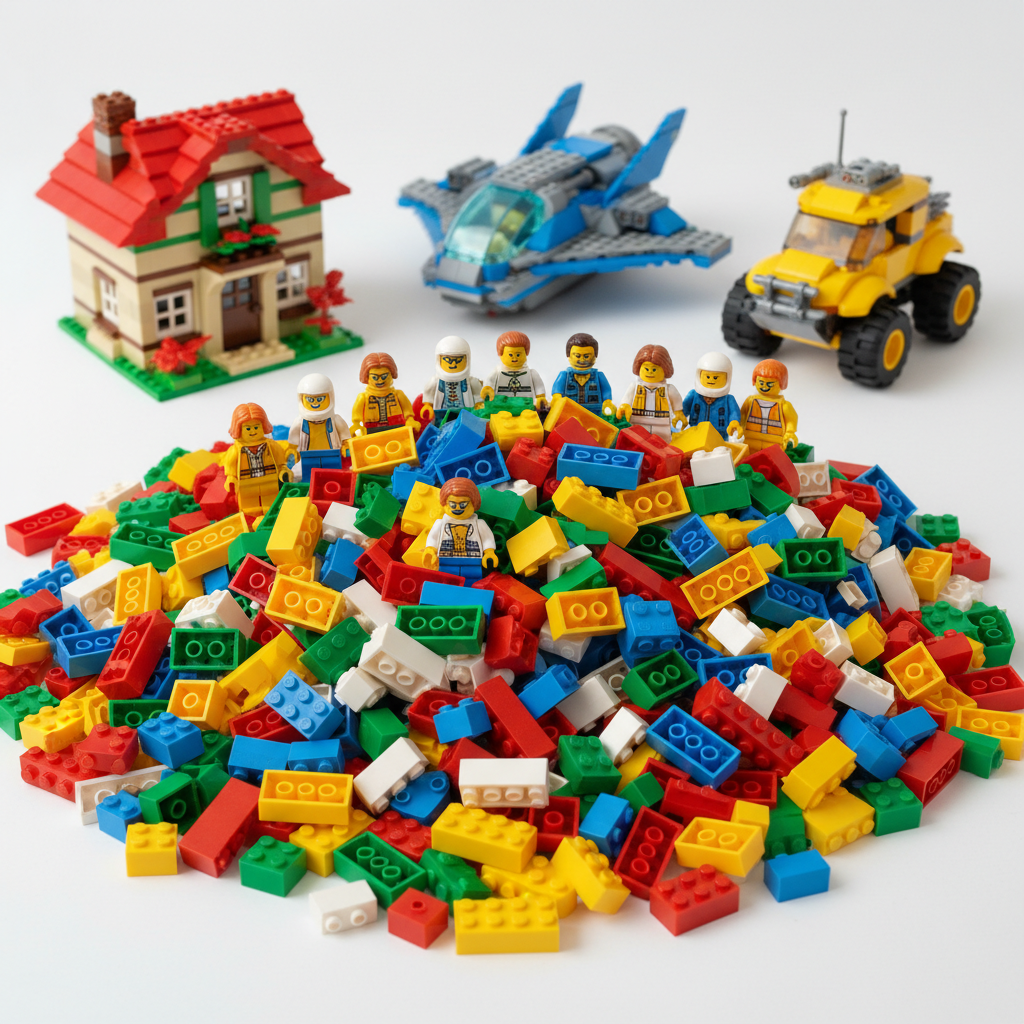
For LEGO enthusiasts looking to expand their collection, fuel ambitious custom builds (MOCs), or simply acquire a vast quantity of bricks for creative play, buying LEGO in bulk is an incredibly effective and often cost-efficient strategy. The best places to find deals on large lots of LEGO include specialized online marketplaces like BrickLink, auction sites such as eBay, major retailers like Amazon for new sets, and local options like Facebook Marketplace, garage sales, and thrift stores, all offering unique advantages for bulk acquisition.
Why Buy LEGO in Bulk? Fueling Your Creativity Brick by Brick
There's a unique thrill that comes with having an abundance of LEGO bricks at your fingertips. Whether you're a seasoned builder, a parent looking to stock a playroom, or an aspiring designer of intricate custom creations, bulk LEGO buying offers a world of possibilities. It's not just about getting more bricks; it's about unlocking creative freedom.
- Mastering MOCs (My Own Creations): For many adult fans of LEGO (AFOLs), bulk buying is essential for building large-scale, detailed, or unique MOCs. Running out of a specific color or type of brick mid-project can be frustrating, and a well-stocked bulk collection mitigates this.
- Expanding Collections Affordably: Acquiring individual sets can be expensive, especially for older or retired models. Bulk lots often contain a diverse array of bricks, minifigures, and specialized elements from various themes, allowing you to expand your collection's versatility without breaking the bank.
- Part Replacement & Restoration: Over time, bricks get lost, damaged, or discolored. A bulk collection provides a ready supply of common parts for repairing existing sets or refreshing older builds.
- Educational & Therapeutic Value: For schools, therapy centers, or even just large families, a substantial quantity of LEGO offers endless opportunities for collaborative play, problem-solving, and fine motor skill development.
- Investment in Creativity: While we never recommend buying LEGO purely for financial gain, historically, certain rare parts or minifigures found in bulk lots have appreciated in value. However, the true "investment" is in the endless hours of creative joy and learning that a large collection provides.
Top Online Destinations for Bulk LEGO Deals
The digital age has revolutionized how we find and purchase LEGO, especially in bulk. Online platforms offer unparalleled reach and variety, connecting buyers with sellers worldwide.
1. BrickLink: The Ultimate Marketplace for Individual Parts and Lots
BrickLink is widely considered the holy grail for serious LEGO collectors and MOC builders. It's a vast marketplace run by fans, for fans, where sellers list individual bricks, minifigures, sets, and sometimes even bulk lots.
- Pros: Unrivaled selection of specific parts, minifigures, and sets; competitive pricing (especially for individual parts); strong community.
- Cons: Can be overwhelming for beginners; shipping costs from multiple sellers can add up; requires patience to find the best deals.
- Strategy: Use its "Wanted List" feature to track specific bricks. Look for sellers offering large quantities of common bricks or "lot" listings. Price per piece is key here.
2. eBay: Auction House for Mixed Lots and Rare Finds
eBay remains a powerful platform for bulk LEGO, particularly for unsorted lots, mixed bags, and occasionally, specific themes or minifigure collections. It's a treasure hunt with an auction dynamic.
- Pros: Potential for incredible deals (especially on unsorted lots); wide variety of new and used LEGO; global reach.
- Cons: High risk of "junk" or non-LEGO bricks in unsorted lots; inconsistent quality; shipping can be expensive for heavy lots.
- Strategy: Filter by "LEGO lot" or "bulk LEGO." Always scrutinize photos, read descriptions carefully, and check seller ratings. Look for indications of non-LEGO bricks and negotiate shipping if possible.
3. Amazon: New Bulk Sets and Classic Boxes
While not a traditional source for "used" bulk LEGO, Amazon is an excellent place to find deals on new, large-piece-count sets or official LEGO Classic boxes that are essentially bulk bricks. These are perfect for starting a collection or supplementing with a guaranteed quantity of new, clean bricks.
- Pros: New, clean bricks; reliable shipping; frequent sales and discounts; easy returns.
- Cons: Generally higher price per piece compared to used bulk; less variety of specific or retired parts.
-
Recommendations:
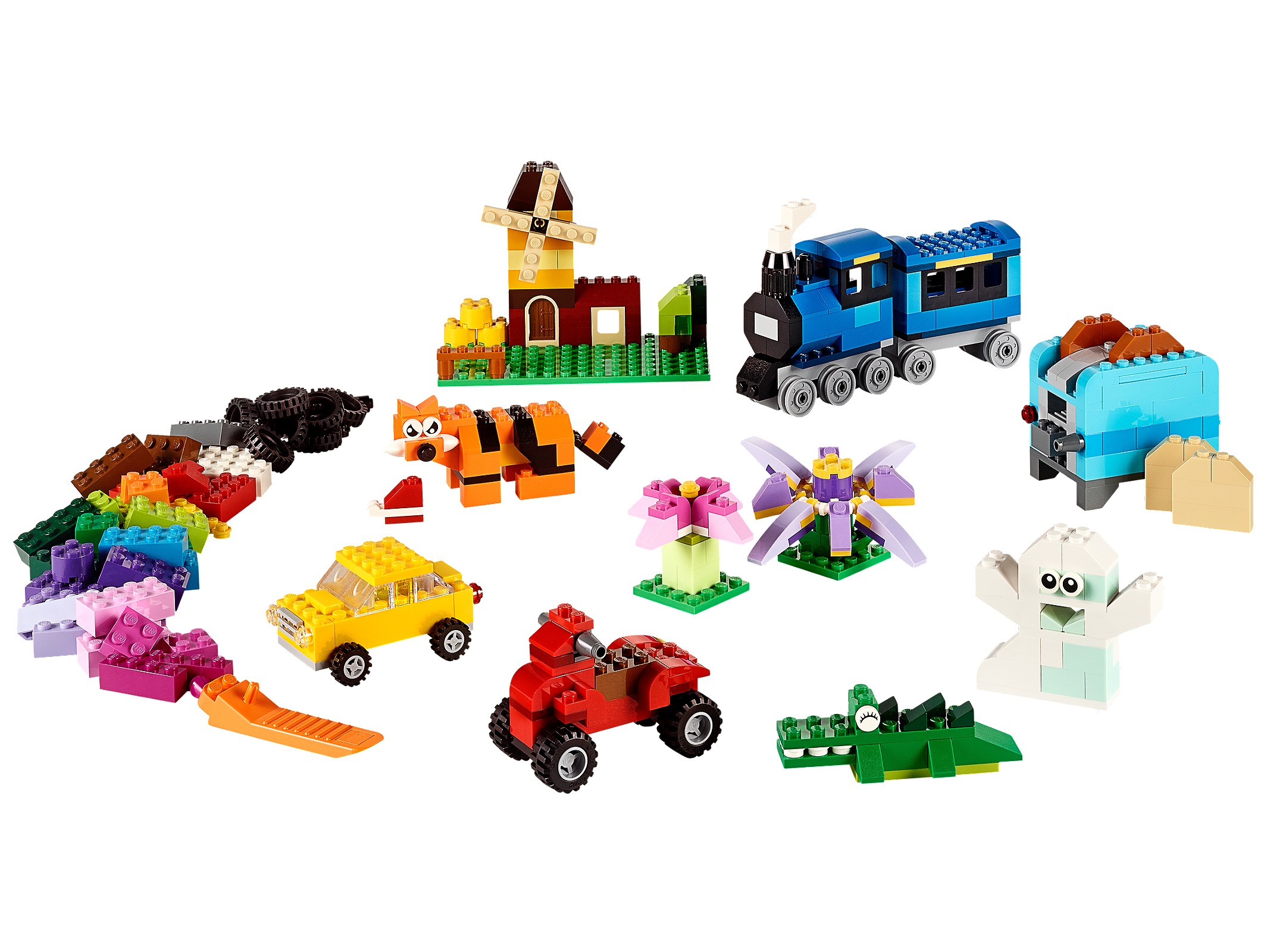
- LEGO Classic Large Creative Brick Box: A fantastic starter for any bulk collection, offering a wide array of basic bricks in various colors.
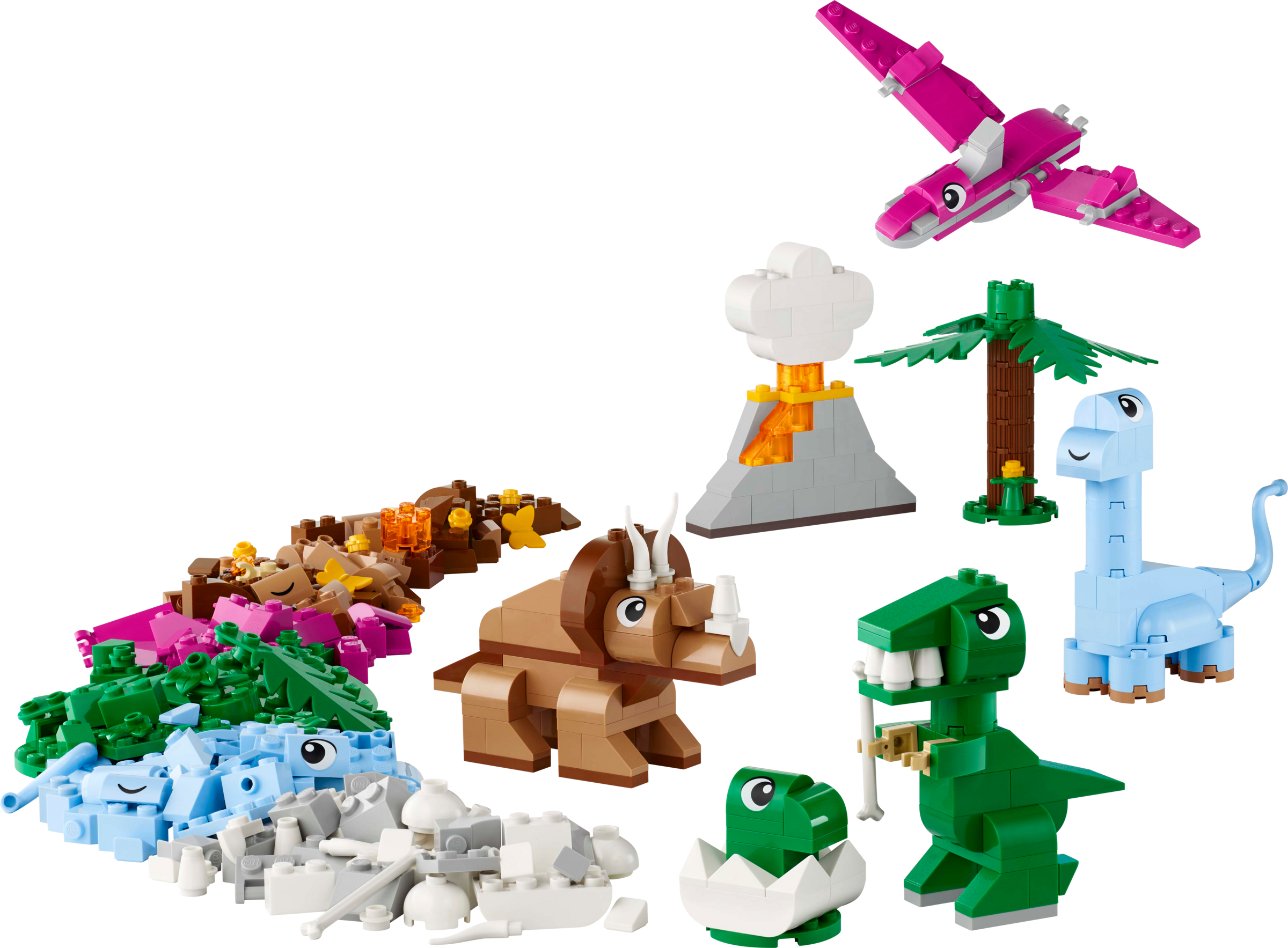
- LEGO Creative Building Box: Another great option for foundational pieces, often with specific build ideas included.
- Consider large, non-themed sets from our database like the or the PRODUCT_LINK[Item Number: 9452-1] for a massive influx of versatile bricks. These sets, while originally themed, provide an excellent foundation for any bulk builder due to their high piece counts and diverse elements.
4. The Official LEGO Store & Pick a Brick
LEGO.com offers its "Pick a Brick" service, allowing you to buy specific new elements directly from LEGO. While not always the cheapest for bulk, it's invaluable for acquiring new, rare, or hard-to-find individual pieces in specific quantities. They also occasionally have bulk brick events in physical stores.
- Pros: Guaranteed new, authentic LEGO; access to exclusive parts; great for very specific needs.
- Cons: Can be expensive for large quantities; limited selection compared to BrickLink.
- Strategy: Use it for unique elements, or when you need a specific brick in a color that's hard to find elsewhere.
5. Facebook Marketplace & Local Buy/Sell Groups
Local online marketplaces are increasingly popular for finding bulk LEGO. Many parents sell off their children's outgrown collections, often at very reasonable prices, especially if they're eager to clear space.
- Pros: Often the best prices (especially for unsorted lots); no shipping costs for local pickup; direct negotiation with sellers.
- Cons: Limited inventory (depends on what's available locally); quality can vary; "buyer beware" for authenticity.
- Strategy: Search for "LEGO lot," "bulk LEGO," or "LEGO bricks." Be prepared to meet in person and inspect the bricks for authenticity and cleanliness.
Physical Stores and Local Opportunities for Bulk LEGO
Sometimes the best deals are found offline, through serendipitous discoveries or dedicated hunting.
1. Thrift Stores, Charity Shops, and Consignment Stores
These stores are legendary for unexpected LEGO finds. While often requiring significant sorting and cleaning, the price per pound can be incredibly low.
- Pros: Extremely low prices; potential for rare or vintage pieces; supports a good cause.
- Cons: Highly inconsistent inventory; often mixed with non-LEGO toys; requires thorough cleaning and sorting.
- Strategy: Frequent visits are key. Learn to spot LEGO bricks quickly amidst other toys. Carry a small bag for easy transport.
2. Garage Sales, Yard Sales, and Estate Sales
Similar to thrift stores, these local events can yield fantastic bulk LEGO deals. Sellers are often looking to clear out items quickly and may not know the true value of their LEGO collection.
- Pros: Very low prices; direct negotiation; sometimes entire collections are sold together.
- Cons: Limited availability; requires weekend hunting; condition can vary.
- Strategy: Arrive early! Politely ask if they have any LEGO if you don't see it immediately.
3. LEGO Stores and LEGO Discovery Centers
While primarily for new sets, official LEGO Stores often have a "Pick & Build" wall where you can fill a cup with specific bricks for a flat fee. This is excellent for acquiring common parts in bulk, especially if you need many of the same piece.
- Pros: New, clean bricks; choose specific elements; fun experience.
- Cons: Selection is limited to what's on the wall; price per piece can be higher than used bulk.
4. LEGO Conventions and Fan Events
Attending LEGO conventions (like BrickCon, BrickFair, or local LUG events) can be a fantastic way to meet sellers, find unique parts, and purchase bulk lots directly from other enthusiasts. Many events have "bricklink-style" booths with bins of parts.
- Pros: Great variety; direct interaction with knowledgeable sellers; unique parts.
- Cons: Requires travel; entry fees for events.
Spotlight on Large LEGO Sets for Bulk Builders
Sometimes, the best "bulk" purchase isn't a random mixed lot, but a high-piece-count set designed to provide a rich variety of elements. These sets offer guaranteed quality, often unique pieces, and a structured building experience before their parts are assimilated into your bulk collection.
Here are some exceptional sets from our database that offer immense value for bulk builders:
- Lego Mosaic Dino: With a massive 2847 pieces, this mosaic set is a goldmine for small, uniform plates and tiles, perfect for detailed textures, pixel art, or intricate MOC surfaces. If you're building a large landscape or a detailed facade, these pieces are invaluable.
- Bonus Lego Basic Town: Packing 2542 pieces, this universal building set is a foundational bulk purchase. It offers a wide array of basic bricks, plates, and slopes in common colors, essential for any large-scale MOC or general building.
- Giant Lego Topic Set: Another universal building set with 2195 pieces, this offers a similar benefit to the Basic Town set – a diverse collection of fundamental bricks crucial for starting or expanding a versatile bulk inventory.
- Lego Mosaic Cat: Similar to the Dino mosaic, this 2127-piece set provides an abundance of small, flat elements, excellent for adding intricate details or creating smooth surfaces in your builds.
- Lego Mosaic Johnny Thunder: Another 2127-piece mosaic, this one likely features a different color palette or specific small elements that would complement the other mosaic sets, further diversifying your collection of small, useful parts.
- Modular LEGO Store: From the BrickLink Designer Program, this 2124-piece set is fantastic for builders interested in architectural MOCs. It will contain numerous windows, doors, plates, and specialized architectural elements, perfect for cityscapes or detailed buildings.
- LEGO Inside Tour Anniversary Collection: A rare LEGO Exclusive with 1912 pieces, this set is likely to contain unique or uncommon elements that are perfect for adding flair to custom builds. Its exclusivity might mean unique molds or color combinations.
- Lego Minifigure: This 1850-piece sculpture provides a large quantity of standard bricks in specific colors, ideal for MOCs that require uniformity or a solid color base. It also gives you a massive base for building a giant minifigure of your own!
- LEGO Factories National Animals: Another LEGO Exclusive, this 1601-piece set likely offers a variety of specialized curved, sloped, and SNOT (Studs Not On Top) bricks that are excellent for creating organic shapes, animals, or adding unique textures to your MOCs.
- Lego Dragon: With 1535 pieces, this sculpture set is a treasure trove of specialized parts for organic and fantastical builds. Expect plenty of curved slopes, wedges, and unique elements perfect for creating creatures or dynamic structures.
- LEGO Campus: This 1494-piece exclusive set is another excellent source for architectural elements, windows, plates, and potentially unique pieces related to the LEGO Group's headquarters, great for city builders.
- LEGO Chess: At 1450 pieces, this set provides a substantial quantity of common bricks in two contrasting colors (usually black and white), which are incredibly useful for checkerboard patterns, large floors, or any MOC requiring distinct color separation.
- The LEGO Story: A 1443-piece BrickLink Designer Program set, this will likely include a mix of unique elements that tell a historical narrative, offering a diverse palette for story-driven MOCs or detailed dioramas.
- Giant Lego Dacta Basic Set: Dacta sets were designed for educational purposes, and this 1417-piece set is packed with fundamental bricks, plates, and specialty elements that are robust and versatile, making it ideal for a bulk collection focused on utility.
- LEGOLAND Park: This 1336-piece set, designed for LEGOLAND Parks, will contain a variety of unique elements specific to amusement park builds, miniature structures, and landscape features. It's perfect for those looking to build a micro-scale city or theme park.
Quick Comparison Table: Large Sets for Bulk Building
To help you compare some of these fantastic high-piece-count sets for bulk acquisition, here's a quick overview:
| Set Name | Item Number | Piece Count | Category | Best For |
|---|---|---|---|---|
| Lego Mosaic Dino | k34432-1 | 2847 | Mosaic | Small plates & tiles for detail, textures, pixel art |
| Bonus Lego Basic Town | 9287-1 | 2542 | Universal Building Set | Foundational bricks, diverse common elements for general MOCs |
| Modular LEGO Store | 910009-1 | 2124 | BrickLink Designer Program | Architectural elements, windows, doors for cityscapes |
| Lego Minifigure | 3723-1 | 1850 | Sculptures | Uniform bricks in specific colors, large-scale models |
| Lego Dragon | 3724-1 | 1535 | Sculptures | Curved, sloped, and specialized pieces for organic shapes |
What to Consider When Buying LEGO in Bulk
Navigating the world of bulk LEGO can be incredibly rewarding, but it pays to be prepared. Here's what to keep in mind to ensure a successful purchase:
- Price per Piece (PPP): This is the golden metric for bulk buying. Calculate it by dividing the total price by the number of pieces. A good PPP for new, basic elements is typically around $0.05-$0.10, while used bulk can go as low as $0.01-$0.03 per piece. More specialized or rare elements will naturally have a higher PPP.
-
Condition of Bricks:
- New: Pristine, no scratches, discoloration, or damage.
- Used (Good): Minor play wear, light scratches, no major damage.
- Used (Acceptable): Noticeable play wear, some discoloration, potential for minor damage.
- Authenticity: Be wary of sellers mixing in non-LEGO bricks (often called "clone bricks" or "off-brand bricks"). While some are compatible, they often have lower clutch power and inconsistent quality. Look for the "LEGO" logo on the studs.
-
Sorting Level:
- Unsorted: Cheapest, but requires significant time to sort through.
- Partially Sorted: Some basic separation (e.g., by color or type).
- Fully Sorted: Most expensive, but saves you hours of work.
- Inclusions: Does the lot include minifigures, specialized elements (e.g., Technic pins, gears, unique animal pieces), baseplates, or instruction manuals? These can significantly increase the value.
- Seller Reputation: On platforms like eBay and BrickLink, always check seller ratings and reviews. Look for positive feedback regarding accurate descriptions, prompt shipping, and good packaging.
- Shipping Costs: Bulk LEGO is heavy! Factor in shipping costs, especially for large lots. Sometimes, a slightly higher initial price with free or reasonable shipping can be a better deal than a low-priced lot with exorbitant shipping.
- Cleaning Process: Assume used bulk LEGO will need cleaning. A gentle wash in warm, soapy water (dish soap works well) followed by air drying is usually sufficient. Avoid hot water, as it can warp bricks.
Frequently Asked Questions About Buying LEGO in Bulk
What is a good price per pound for bulk LEGO?
A good price for used, unsorted bulk LEGO typically ranges from $5 to $10 per pound. However, this can fluctuate significantly based on the quality of the bricks, the inclusion of minifigures or rare parts, and whether the lot is sorted. Lots with many minifigures or specialized elements can command higher prices per pound.
How do I clean used bulk LEGO bricks?
Cleaning used LEGO is straightforward. Sort out any non-LEGO items, electronics, or stickers. Place the bricks in a mesh laundry bag or pillowcase and wash them in a tub or sink with warm (not hot) water and a mild dish soap. Agitate them gently. Rinse thoroughly with cool water and spread them out on towels or a drying rack to air dry completely. Avoid using a dryer or extremely hot water, as it can damage or warp the plastic.
What does "MOC" stand for in the LEGO community?
MOC stands for My Own Creation. It refers to any LEGO model that has been designed and built by an individual, rather than following official LEGO instructions for a specific set. Bulk LEGO is essential for MOC builders as it provides the raw materials to bring their unique visions to life.
Is it worth buying unsorted bulk LEGO?
Yes, buying unsorted bulk LEGO can be very worth it, especially if you're on a budget and enjoy the "treasure hunt" aspect. Unsorted lots often offer the lowest price per piece. However, be prepared to spend a significant amount of time sorting, cleaning, and potentially discarding non-LEGO or damaged bricks. The joy of finding rare minifigures or unique elements can make the effort worthwhile!
How can I tell if LEGO bricks are fake or off-brand?
The most reliable way to identify authentic LEGO bricks is to look for the tiny "LEGO" logo on each stud. Additionally, genuine LEGO bricks have a distinct "clutch power" (how well they stick together) and a consistent plastic feel. Fake or off-brand bricks often feel lighter, have a different sheen, exhibit poor clutch power, or lack the official logo.
What are some common pitfalls to avoid when buying bulk LEGO?
Common pitfalls include buying without seeing clear photos (leading to unexpected junk), not factoring in shipping costs, purchasing from sellers with poor ratings, not checking for non-LEGO bricks, and underestimating the time required for cleaning and sorting unsorted lots. Always do your due diligence!
Should I buy bulk by weight or by piece count?
Both methods have merits. Buying by weight (e.g., per pound) is common for large, unsorted lots, offering a rough estimate of value. Buying by piece count (e.g., a lot of 1000 pieces) is more precise, especially if the pieces are sorted or described. For general bulk, weight is fine; for specific MOC needs, piece count or buying individual pieces on BrickLink is better.
Conclusion: Build Your Dreams, One Brick Lot at a Time
Embarking on the journey of LEGO bulk buying is an exciting adventure, opening doors to boundless creativity and endless building possibilities. Whether you're sifting through a dusty lot from a garage sale, meticulously selecting pieces on BrickLink, or investing in a massive new set like the Lego Mosaic Dino or the Bonus Lego Basic Town, the goal remains the same: to acquire the raw materials for your next masterpiece.
Remember to prioritize the price per piece, carefully assess condition, and always check seller reputation. With the right strategy and a bit of patience, you'll soon have a formidable collection of bricks ready to bring your most ambitious MOCs and creative visions to life. So go forth, happy hunting, and may your brick bins overflow!
Discover the best places to buy LEGO in bulk, from online marketplaces like BrickLink and eBay to local deals. Find tips on finding deals, what to consider, and top large sets for your next MOC!
LEGO bulk buying, buy LEGO in bulk, bulk LEGO deals, large LEGO lots, where to buy LEGO pieces, cheap LEGO bricks, MOC building, LEGO parts lot, BrickLink, eBay LEGO, Amazon LEGO, LEGO Classic, used LEGO
Looking to expand your LEGO collection affordably? This guide reveals the top online and local sources for buying LEGO in bulk, offering crucial tips on finding deals, assessing quality, and recommending high-piece-count sets to fuel your creative builds. Start your bulk LEGO adventure today!
Q: What is a good price per pound for bulk LEGO?
A: A good price for used, unsorted bulk LEGO typically ranges from $5 to $10 per pound. However, this can fluctuate significantly based on the quality of the bricks, the inclusion of minifigures or rare parts, and whether the lot is sorted. Lots with many minifigures or specialized elements can command higher prices per pound.
Q: How do I clean used bulk LEGO bricks?
A: Cleaning used LEGO is straightforward. Sort out any non-LEGO items, electronics, or stickers. Place the bricks in a mesh laundry bag or pillowcase and wash them in a tub or sink with warm (not hot) water and a mild dish soap. Agitate them gently. Rinse thoroughly with cool water and spread them out on towels or a drying rack to air dry completely. Avoid using a dryer or extremely hot water, as it can damage or warp the plastic.
Q: What does "MOC" stand for in the LEGO community?
A: MOC stands for My Own Creation. It refers to any LEGO model that has been designed and built by an individual, rather than following official LEGO instructions for a specific set. Bulk LEGO is essential for MOC builders as it provides the raw materials to bring their unique visions to life.
Q: Is it worth buying unsorted bulk LEGO?
A: Yes, buying unsorted bulk LEGO can be very worth it, especially if you're on a budget and enjoy the "treasure hunt" aspect. Unsorted lots often offer the lowest price per piece. However, be prepared to spend a significant amount of time sorting, cleaning, and potentially discarding non-LEGO or damaged bricks. The joy of finding rare minifigures or unique elements can make the effort worthwhile!
Q: How can I tell if LEGO bricks are fake or off-brand?
A: The most reliable way to identify authentic LEGO bricks is to look for the tiny "LEGO" logo on each stud. Additionally, genuine LEGO bricks have a distinct "clutch power" (how well they stick together) and a consistent plastic feel. Fake or off-brand bricks often feel lighter, have a different sheen, exhibit poor clutch power, or lack the official logo.
Q: What are some common pitfalls to avoid when buying bulk LEGO?
A: Common pitfalls include buying without seeing clear photos (leading to unexpected junk), not factoring in shipping costs, purchasing from sellers with poor ratings, not checking for non-LEGO bricks, and underestimating the time required for cleaning and sorting unsorted lots. Always do your due diligence!
Q: Should I buy bulk by weight or by piece count?
A: Both methods have merits. Buying by weight (e.g., per pound) is common for large, unsorted lots, offering a rough estimate of value. Buying by piece count (e.g., a lot of 1000 pieces) is more precise, especially if the pieces are sorted or described. For general bulk, weight is fine; for specific MOC needs, piece count or buying individual pieces on BrickLink is better.
Use Our Tools to Go Further
Get more insights about the sets mentioned in this article with our free LEGO tools