
LEGO Greebling Techniques: Adding Detail to Your Builds
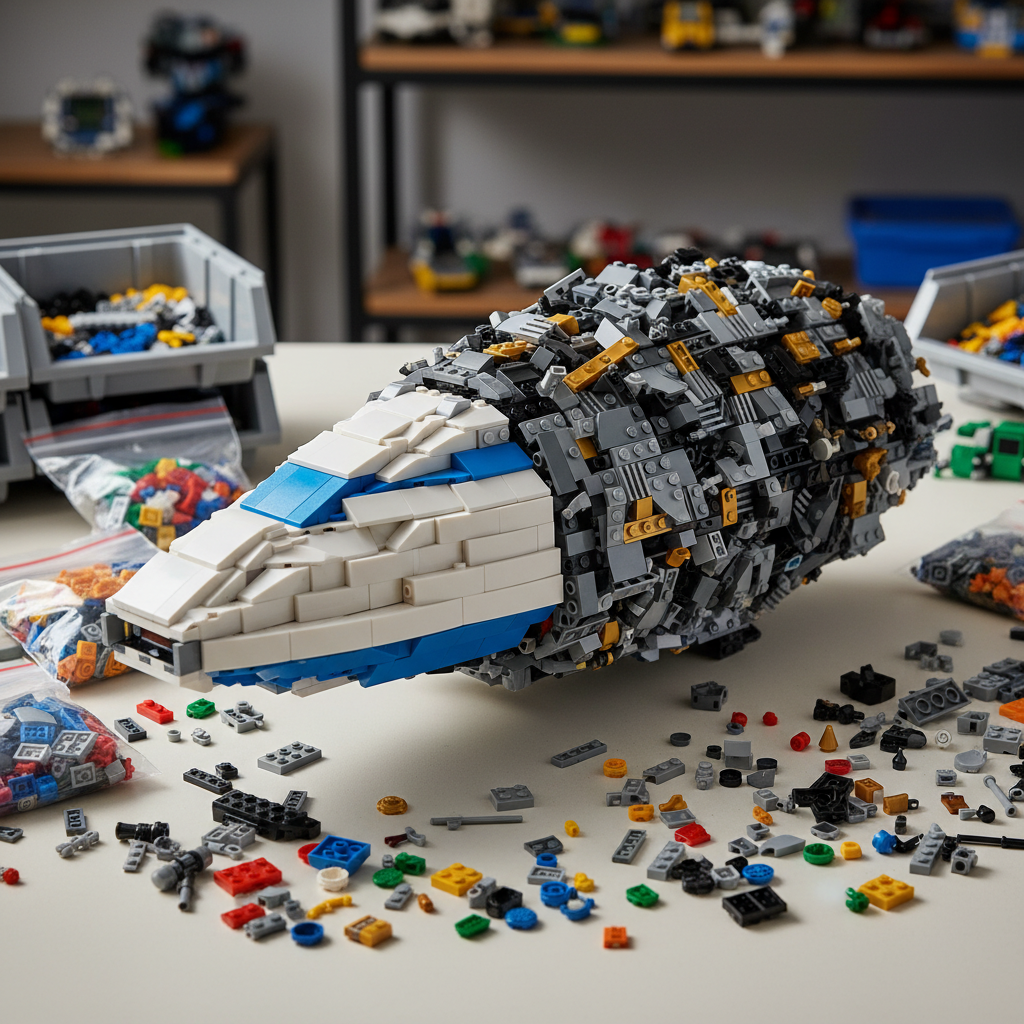
LEGO greebling is the art of adding intricate, non-functional details to a LEGO model, primarily using small, unconventional, or repurposed pieces, to create a sense of realism, texture, and visual complexity. It's a technique that transforms smooth, blocky surfaces into visually rich, believable creations, making your builds pop with industrial, mechanical, or technological flair. Whether you're constructing a gritty spaceship, a detailed cityscape, or a fantastical mech, mastering greebling will significantly elevate the aesthetic appeal and storytelling of your LEGO MOCs (My Own Creations).
What Exactly is LEGO Greebling?
In the vast universe of LEGO building, greebling stands out as a sophisticated technique employed by master builders to inject unparalleled detail into their models. The term "greeble" itself is thought to have originated in the special effects industry, particularly with early Star Wars models, where miniature components were attached to larger structures to imply complex machinery, pipes, vents, and panels. For LEGO enthusiasts, greebling involves taking those often overlooked small elements—like grille tiles, jumper plates, headlight bricks, or even Technic pins—and strategically placing them on a model's surface to break up monotony and suggest hidden functionality or worn textures.
The primary purpose of greebling is not structural, but purely aesthetic. It’s about creating visual interest, suggesting scale, and adding a layer of realism that simply isn't possible with smooth, unadorned surfaces. Think of a spacecraft: without greebling, it might look like a toy. With carefully applied greebles, it can appear like a functional, battle-worn machine ready for interstellar travel. This technique is especially prevalent in sci-fi, steampunk, and industrial-themed builds, but its principles can be applied to virtually any genre to enhance texture and depth.
The Core Principles of Effective Greebling
While greebling might appear to be a chaotic scattering of pieces, there's a method to the madness. Effective greebling follows several core principles that guide builders in creating compelling and cohesive details rather than just a messy collection of parts.
1. Variety in Elements and Textures
The hallmark of great greebling is the diverse use of LEGO elements. Relying on just one type of part will lead to repetitive and uninteresting textures. Instead, skilled greeblers mix and match different small pieces—smooth tiles, studded plates, grille bricks, curved slopes, modified plates with clips, and even Technic elements—to create a rich tapestry of textures. This variety ensures that the eye has many points of interest, mimicking the complex surfaces found in real-world machinery or architecture.
2. Intentional Randomness vs. Pattern Recognition
Good greebling often appears random at first glance, but a closer inspection reveals thoughtful placement. True randomness can look messy. Instead, aim for "intentional randomness" or "controlled chaos." This means avoiding perfectly symmetrical or easily discernible patterns unless they serve a specific design purpose (like a repeating vent array). Break up lines, vary the density of details, and offset elements to create a more organic and believable industrial look. The goal is to suggest complex internal workings without actually building them.
3. Creating Depth and Shadows
Greebling isn't just about flat surface detail; it's about creating three-dimensional texture. By using elements that protrude or recede, you introduce shadows and highlights that add significant depth and realism to your model. Brackets, modified plates, and SNOT (Studs Not On Top) techniques are crucial here, allowing you to build off the main surface and create layers of detail. The interplay of light and shadow on these varied surfaces is what truly brings greebled sections to life.
4. Context and Cohesion with the Build's Theme
Perhaps the most critical principle is ensuring your greebling fits the overall theme and aesthetic of your model. Greebling for a gritty space freighter will differ significantly from greebling for a pristine modular building or a fantasy castle. Consider the color palette, the implied function, and the "story" of your build. For instance, steampunk greebling might heavily feature gears, pipes, and metallic colors, while an alien spacecraft might use organic shapes and unusual colors. The goal is to enhance the model, not distract from it.
Essential LEGO Elements for Greebling
To truly master greebling, you need a diverse inventory of small, interesting LEGO elements. These are the unsung heroes of detail, often overlooked in larger builds but indispensable for adding that crucial texture and complexity. Building up a substantial collection of these specialized parts is key to unlocking your greebling potential.
- Grille Tiles (1x1, 1x2): These are quintessential greebling parts, instantly adding a mechanical or vent-like texture. Their ribbed surface provides immediate visual interest.
- Jumper Plates (1x2): Allowing for offset stud placement, jumper plates are vital for creating asymmetrical details and breaking up grids. They're perfect for subtle shifts in alignment.
- SNOT Bricks (Studs Not On Top): These include headlight bricks (1x1 with stud on side), bricks with studs on multiple sides, and brackets. They are fundamental for building details off the main axis of your model, enabling vertical greebling and intricate layering.
- Small Slopes (Cheese Slopes, 1x1, 1x2, 1x3): These tiny sloped elements add dynamic angles, suggesting streamlined panels, armor plating, or small mechanical components.
- Round Plates and Tiles (1x1): Great for representing bolts, rivets, buttons, or small lights, they add a different geometric texture to your greeble palette.
- Technic Pins, Axles, and Connectors: While primarily functional, these elements can be repurposed for greebling to suggest exposed machinery, hydraulic lines, or complex joints. Their varied textures and shapes are invaluable.
- Lever Bases and Robot Arms: These small, often hinged elements can be excellent for creating intricate pipework, antennae, or small mechanical appendages.
- Fences and Railings: When used creatively, these can form interesting structural elements, vents, or decorative filigree, especially in industrial or architectural greebling.
- Microfigure Accessories: Tiny accessories like binoculars, wrenches, or even weapons from minifigures can be cleverly integrated as highly detailed, non-functional greebles.
- Modified Plates with Clips or Bars: These open up a world of connection possibilities, allowing you to attach elements in unique orientations or create complex sub-assemblies.
To kickstart or expand your greebling parts collection, consider large, versatile sets that offer a wide array of useful elements. The Bonus Lego Basic Town is an excellent choice, boasting a substantial 2542 pieces that include a fantastic mix of basic bricks, plates, and tiles in various colors, perfect for experimenting with foundational greebling elements. Similarly, the Giant Lego Topic Set with its 2195 pieces offers another comprehensive selection of common building blocks that are easily repurposed for intricate details like plates, slopes, and small connector pieces. For those looking to build up their stock of foundational pieces, the Giant Lego Dacta Basic Set provides 1417 pieces, giving you a solid base of bricks and plates essential for creating structural greebling and ensuring you have enough raw material for your creative endeavors.
Advanced Greebling Techniques to Master
Once you've grasped the basics of element variety and placement, you can delve into more sophisticated techniques that truly elevate your greebling game.
SNOT (Studs Not On Top) Greebling
SNOT is arguably the most powerful greebling technique. It involves building elements sideways, upside down, or at angles, breaking free from the traditional vertical-stud orientation. This allows you to add details to the sides of your models, create flush surfaces with intricate textures, and integrate components in ways that would otherwise be impossible. Brackets, headlight bricks, and plates with clips or bars are your best friends here. For example, using a headlight brick to attach a grille tile sideways on a wall can create a seamless vent. Many advanced sets, such as the Modular LEGO Store, demonstrate incredible SNOT techniques in their facades, offering inspiration for intricate detailing that goes beyond simple stacking.
Micro-Scale Greebling
This technique focuses on using the absolute smallest elements to create incredibly fine details. Think 1x1 plates, round tiles, Technic pins, and clips to represent tiny buttons, lights, or bolts. Micro-scale greebling is essential for adding a sense of immense scale to larger models or for creating highly detailed smaller builds. It requires precision and a keen eye for how tiny parts can imply complex machinery. Sets like the Lego Minifigure or the Lego Dragon are complex sculptures that employ many small elements and advanced techniques, offering a masterclass in how small pieces combine to form impressive larger structures.
Texture Blocking and Layering
Instead of greebling uniformly across an entire surface, try creating distinct "texture blocks." This involves dedicating specific areas to different types of greebling—perhaps a smooth panel next to a heavily greebled section of pipes and wires, or a recessed area with fine details. Layering involves building details on top of other details, creating a sense of depth and complexity. This mimics the construction of real-world objects, which often have multiple layers of components.
"NPU" (Nice Part Usage)
NPU is the art of using a LEGO part in a way that diverges significantly from its intended purpose. This is where creativity truly shines in greebling. Examples include using roller skates as tiny vents, a sausage piece as a pipe, a minifigure helmet as a dome, or even a minifigure hand as a small clip. The more you experiment with NPU, the more unique and surprising your greebling will become. It requires looking at every piece not just for what it is, but for what it could be.
Color and Material Integration
While greebling is often about texture, color plays a crucial role. Using a consistent, muted color palette (grays, browns, metallics) can create a cohesive, realistic industrial look. Adding splashes of contrasting color (e.g., a bright red pipe or a yellow warning stripe) can draw the eye to specific details or suggest wiring. Experiment with using different "materials" by leveraging various LEGO finishes—glossy tiles, matte bricks, metallic silver elements—to enhance the perceived realism of your greebles.
Greebling in Different Themes and Contexts
Greebling isn't a one-size-fits-all technique; its application varies dramatically depending on the theme of your LEGO creation.
Sci-Fi and Space Builds
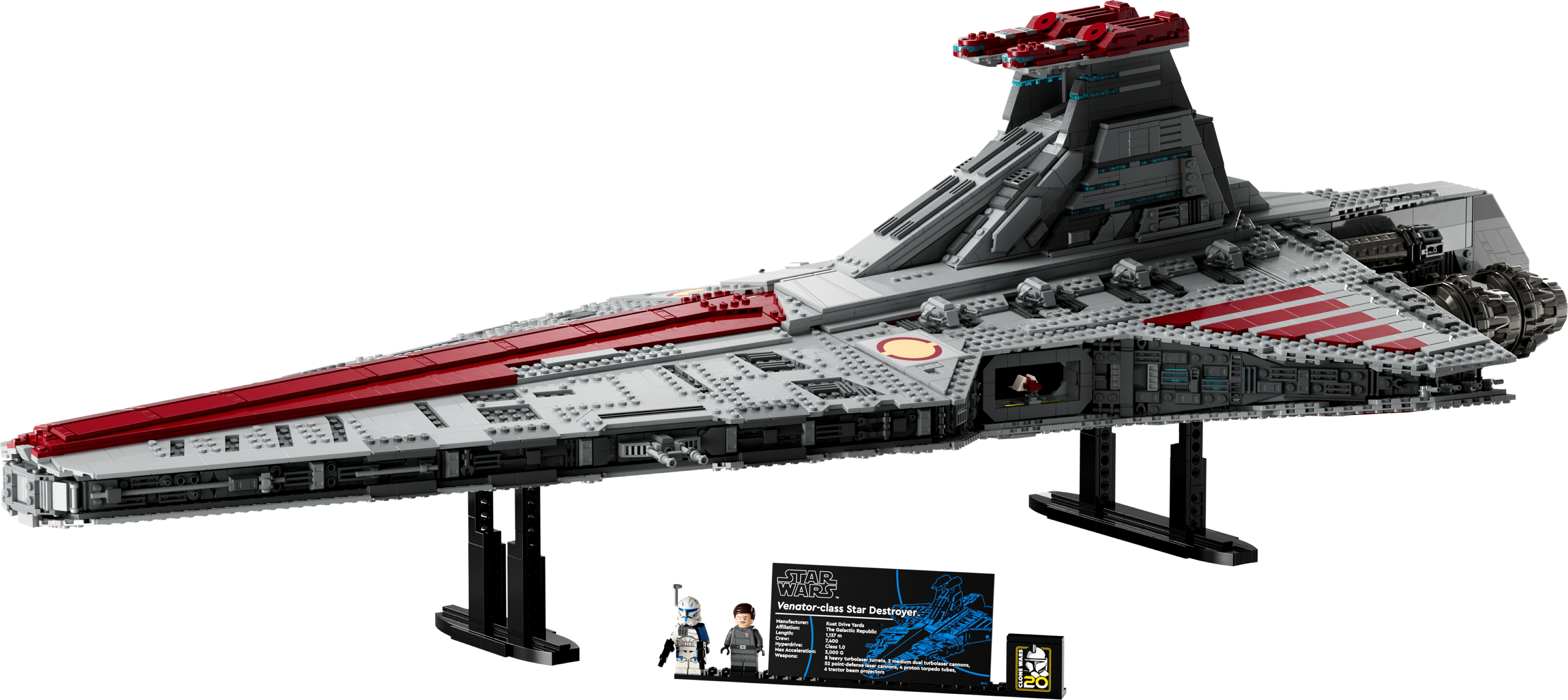
This is arguably where greebling shines brightest. Spaceships, space stations, and futuristic vehicles demand intricate details to convey advanced technology, exposed wiring, vents, thrusters, and battle damage. Here, elements suggesting pipes, conduits, and mechanical panels are paramount. Think of the complex exteriors of Star Wars ships – they are prime examples of expert greebling.
Steampunk and Dieselpunk
For these retro-futuristic themes, greebling is all about exposed gears, rivets, pipes, gauges, and brass-colored elements. The aesthetic emphasizes intricate clockwork, steam-powered mechanisms, and an "over-engineered" look. Technic gears, grille bricks, and round plates in brown, black, and metallic colors are essential.
Industrial and Dystopian Landscapes
In these settings, greebling can represent grime, wear and tear, exposed rebar, damaged machinery, and makeshift repairs. The focus shifts to conveying a sense of decay, functionality, and harshness. Darker colors, broken elements, and a more haphazard application of details can achieve this effect.
Architectural and Modular Buildings
While often associated with smooth, clean lines, greebling can add subtle yet impactful detail to architectural models. Think of ornate cornices, window sills, textured facades, air conditioning units, or decorative elements that break up large, flat walls. The intricate details often found on sets like the Modular LEGO Store are perfect examples of how greebling can enhance a realistic city building without making it look "busy."
Mechs, Robots, and Creatures
Greebling on these models can imply articulation points, hydraulics, armor plating, exposed circuits, or unique organic textures. Small slopes, clips, and modified plates can create convincing mechanical joints or textured skin, bringing these constructs to life.
Building Your Greebling Parts Inventory
A rich and varied parts collection is the foundation of effective greebling. Here's how to build and maintain an inventory suitable for detailed work:
1. Buy Bulk Lots and Basic Sets
Investing in large, general-purpose sets or bulk lots of LEGO bricks is an excellent way to acquire a wide variety of small, useful parts. Sets like the Bonus Lego Basic Town, the Giant Lego Topic Set, and the Giant Lego Dacta Basic Set are fantastic starting points, providing hundreds of plates, tiles, slopes, and modified bricks that are perfect for greebling. These sets are designed to give builders a broad palette of elements to experiment with.
2. Focus on "Parts Packs" and Mosaic Sets
Certain sets, while not explicitly marketed for greebling, are goldmines for specific types of small, repetitive elements. LEGO Art or Mosaic sets, for example, are packed with hundreds, if not thousands, of 1x1 round or square tiles in various colors. These are invaluable for creating highly textured surfaces or intricate patterns. Consider sets like the Lego Mosaic Dino, the Lego Mosaic Cat, or the Lego Mosaic Johnny Thunder. Each of these provides over 2000 small tiles, perfect for surface greebling and adding fine texture.
Another excellent source for a variety of small, common bricks and plates, particularly in black and white for contrasting greeble textures, is the LEGO Chess set, which comes with 1450 pieces. These types of sets are designed to give you a large quantity of small, useful pieces that are perfect for adding detail.
3. Use BrickLink or LEGO Pick a Brick
For very specific parts or colors, BrickLink (the largest online marketplace for LEGO parts) and LEGO's official Pick a Brick service are indispensable. You can target exactly the grille tiles, jumper plates, or specific modified bricks you need without buying entire sets. This is particularly useful when you've identified a specific element that works perfectly for a greebling technique you're trying to master.
4. Harvest Parts from Existing Sets
Don't be afraid to deconstruct older sets, especially those you no longer display, to expand your greebling inventory. Many standard sets contain useful smaller pieces that can be repurposed. Even exclusive sets like the LEGO Inside Tour Anniversary Collection or the LEGO Factories National Animals can be sources of unique or interesting small elements that could be used in creative greebling, offering inspiration beyond their intended build.
5. Organization is Key
As your parts collection grows, good organization becomes crucial. Sorting by part type, then by color, will save you countless hours searching for that perfect greeble. Clear storage containers and drawers are your best friends.
Quick Comparison of Greebling-Friendly Sets
When looking to expand your parts inventory specifically for greebling, certain sets offer better value for the diversity and quantity of small, useful elements. Here's a quick comparison of some recommended options:
| Set Name | Item Number | Piece Count | Category | Best For Greebling |
|---|---|---|---|---|
| Bonus Lego Basic Town | 9287-1 | 2542 | Universal Building Set | General variety of basic bricks, plates, tiles; great for foundational greebles. |
| Giant Lego Topic Set | 9452-1 | 2195 | Universal Building Set | Broad selection of common plates, slopes, and connectors; excellent for texture. |
| Lego Mosaic Dino | k34432-1 | 2847 | Mosaic | Abundance of 1x1 tiles/plates in various colors; perfect for fine surface detail. |
| Giant Lego Dacta Basic Set | 9280-1 | 1417 | Universal Building Set | Solid base of foundational bricks and plates; good for structural greebling. |
| LEGO Chess | 40174-1 | 1450 | Other | Large quantity of small black and white pieces; ideal for contrasting details. |
What to Consider When Building Your Greebling Collection
As you embark on your greebling journey, a strategic approach to acquiring parts will save you time and money, and ultimately enhance your building experience.
- Prioritize Variety Over Quantity (Initially): While a large quantity of parts is good, a wide variety of *types* of small parts is even better for greebling. Focus on acquiring a good mix of grille tiles, jumper plates, SNOT bricks, small slopes, Technic pins, and modified plates before stocking up on hundreds of any single element.
- Consider Color Palettes: Greebling often thrives on a limited, complementary color palette—typically grays, blacks, whites, and earth tones for industrial or sci-fi builds. However, don't shy away from acquiring small parts in vibrant colors for specific themed builds like cyberpunk or fantasy. Basic sets often provide a good mix, but targeted purchases can fill gaps.
- Balance Bulk Buys with Targeted Orders: Start with universal building sets or bulk lots for a foundational collection. Once you understand which specific elements you use most often for greebling, then turn to services like BrickLink for targeted orders of those specific pieces. This prevents you from accumulating too many unwanted parts.
- Look for "Parts-Heavy" Sets: As highlighted with the mosaic sets, some LEGO sets are inherently rich in small, useful greebling elements. Keep an eye out for these, even if the primary build isn't your main interest, as they can be fantastic donor sets for your parts inventory.
- Experiment and Document: The best way to learn what works is to experiment. Try different combinations of parts, orientations, and densities. Take photos of techniques you like, whether from your own builds or from other MOCs online. This will help you identify the parts you need to replicate or evolve those techniques.
- Don't Be Afraid of Repurposing: Remember the concept of NPU. Look at every LEGO element with an open mind. A minifigure accessory, a vehicle steering wheel, or even a flower stem can become an incredible greeble when used creatively.
Frequently Asked Questions
What is LEGO greebling?
LEGO greebling is a building technique where small, non-functional details are added to a larger LEGO model to give it a more complex, realistic, or textured appearance. It often involves using small, unconventional, or repurposed pieces to simulate pipes, vents, wires, and machinery.
Why is greebling important for LEGO MOCs?
Greebling is crucial for MOCs (My Own Creations) because it adds visual interest, depth, and realism, transforming smooth, blocky surfaces into dynamic and believable structures. It helps convey a sense of scale, age, or functionality, making the model more engaging and professional-looking.
What are some essential LEGO parts for greebling?
Key greebling parts include grille tiles (1x1, 1x2), jumper plates, SNOT bricks (like headlight bricks), small slopes (cheese slopes), round plates and tiles (1x1), Technic pins and axles, lever bases, robot arms, and modified plates with clips or bars. The Bonus Lego Basic Town or Lego Mosaic Dino are great starting points for collecting these.
Is greebling only for sci-fi builds?
While greebling is most commonly associated with sci-fi and space themes (like Star Wars models), it can be effectively applied to various genres. It enhances industrial, steampunk, dystopian, and even architectural models, adding subtle textures, structural details, or decorative elements that break up monotonous surfaces.
How do I start greebling if I'm a beginner?
Start by experimenting with small sections of a model. Focus on using a variety of small, common pieces (plates, tiles, slopes) and try building details off the main surface using SNOT bricks. Observe detailed LEGO MOCs online for inspiration and pay attention to how experienced builders use different elements. Don't be afraid to take things apart and try again!
What does SNOT mean in the context of greebling?
SNOT stands for "Studs Not On Top." It's a fundamental LEGO building technique that involves orienting bricks and plates so their studs face directions other than straight up. In greebling, SNOT is vital for attaching details to vertical surfaces, creating intricate flush panels, and building layers of texture that protrude from the main model.
Can greebling make a build look too busy?
Yes, greebling can make a build look too busy if not applied thoughtfully. The key is balance and context. Avoid over-greebling every surface. Instead, strategically place details where they make sense and serve a purpose, even if it's purely aesthetic. Vary the density of your greebles, leaving some areas smooth to provide visual rest and highlight the detailed sections.
Conclusion
Greebling is more than just adding bits and bobs to your LEGO creations; it's an advanced technique that breathes life, texture, and undeniable realism into your models. By understanding its core principles—variety, intentional randomness, depth, and context—and by mastering techniques like SNOT and NPU, you can transform your builds from simple structures into captivating works of art. Building a robust inventory of small, versatile parts from sets like the PRODUCT
Use Our Tools to Go Further
Get more insights about the sets mentioned in this article with our free LEGO tools