
Unearthing rare LEGO parts is a thrilling quest for any dedicated builder, opening up a universe of creative possibilities for custom builds (MOCs), intricate displays, or simply replacing that one lost brick. The most effective ways to find these elusive elements include exploring dedicated online marketplaces like BrickLink and BrickOwl, utilizing LEGO's official Pick a Brick and Bricks & Pieces services, deconstructing specific LEGO Art and Creator sets known for unique components, and scouting local treasure troves like brick-and-mortar LEGO Stores, conventions, and even garage sales. This guide will help you navigate the vibrant world of secondary LEGO markets and leverage the rich potential of existing sets to complete your dream creations.

For many LEGO enthusiasts, the journey of building doesn't end when the last brick of a set clicks into place. Instead, it's often just the beginning! The true magic of LEGO lies in its modularity and the boundless potential for My Own Creations (MOCs). But to bring those unique visions to life, you often need specific, sometimes rare, parts. Whether you're searching for an obscure color, a specialized element, or a high quantity of a common piece, knowing where to look is half the battle. Let's dive deep into the best alternative sources and savvy tips for finding those elusive LEGO elements, especially when crafting art-inspired masterpieces!

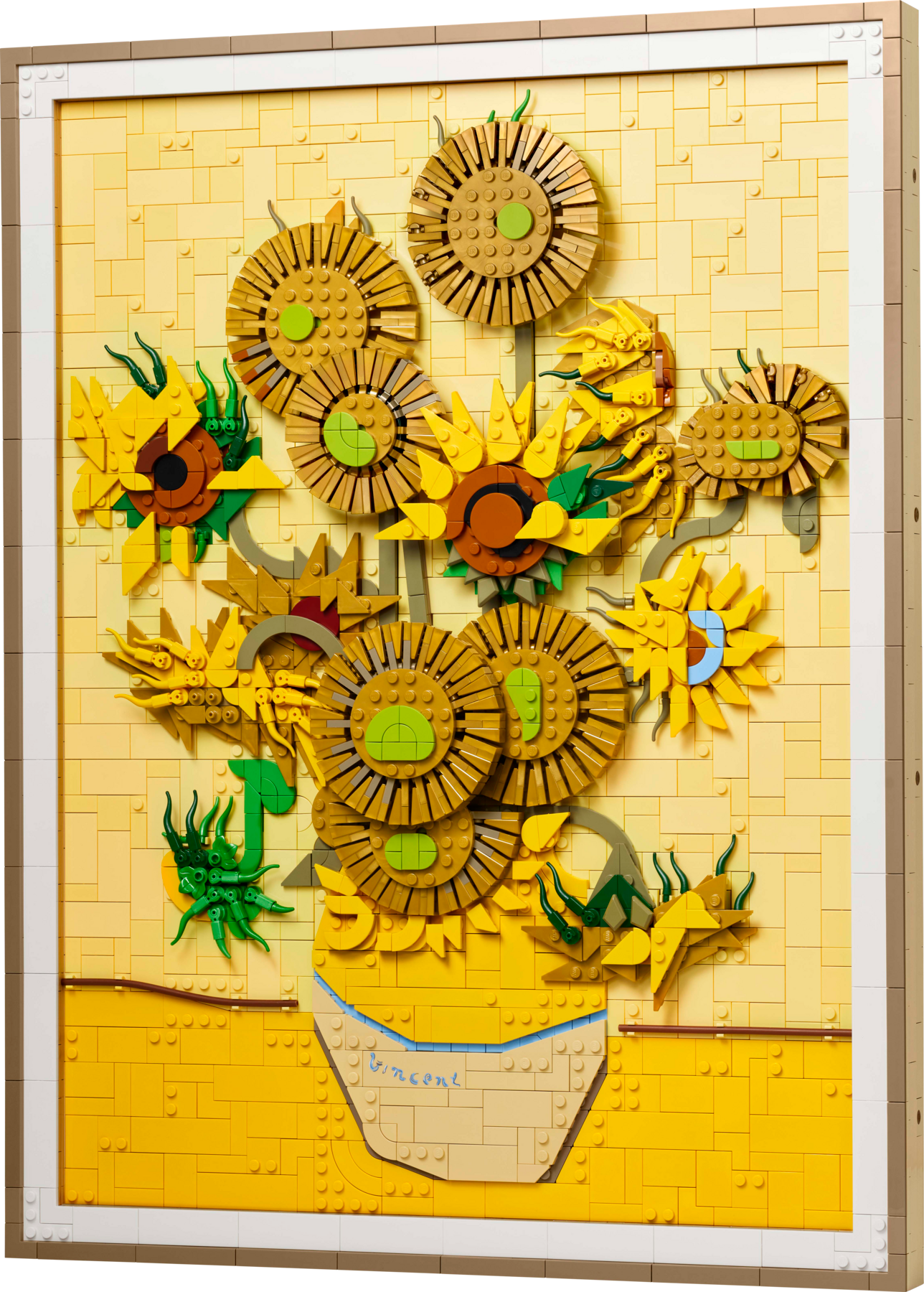
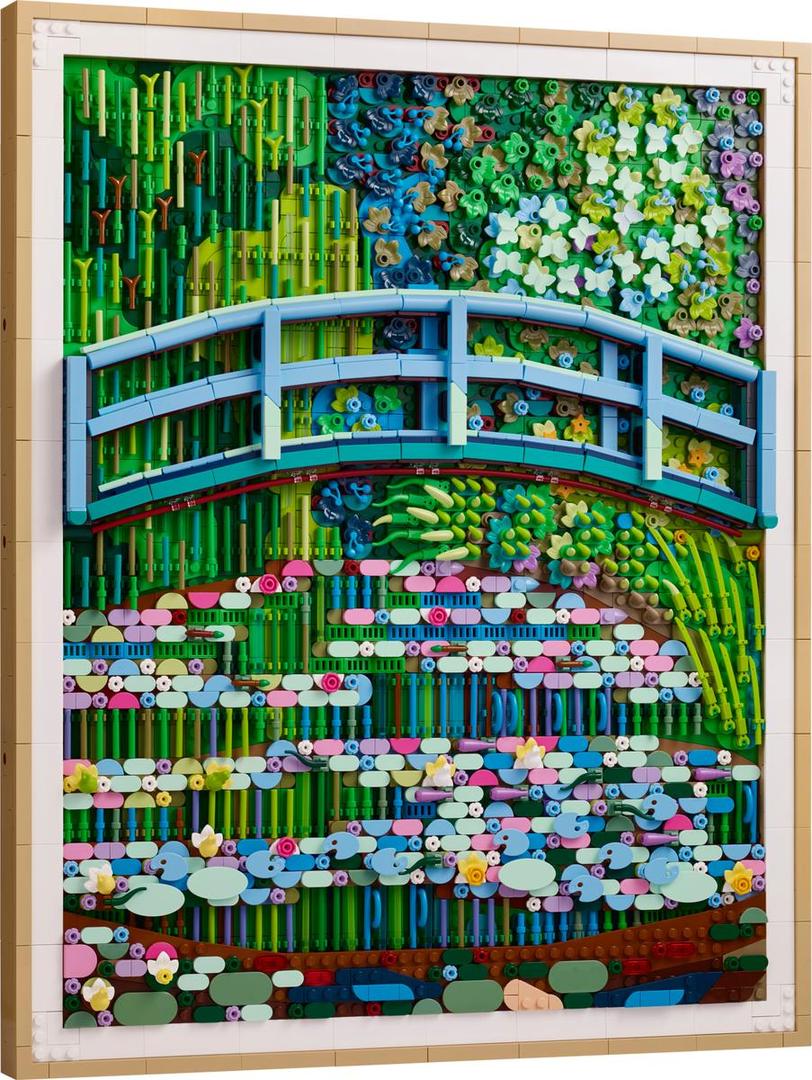
Visually represents the 'quest for rare LEGO parts' and the creative potential of MOCs, setting an engaging and inspiring tone for the guide early on.

Beyond the Box: Deconstructing LEGO Art Sets for Unique Elements


One of the most exciting ways to acquire a vast array of unique and often colorful LEGO parts is by strategically investing in and deconstructing certain sets, particularly those from the LEGO Art theme. These sets are designed to be visually stunning, often employing innovative building techniques and a rich palette of colors, making them a goldmine for custom builders.

Treasure Troves of Tiles and Plates: The LEGO Art Collection

LEGO Art sets are renowned for their incredible piece counts, often featuring thousands of 1x1 round tiles, plates, and other small elements in a dazzling spectrum of colors. These pieces are invaluable for mosaic-style MOCs, detailed textures, and vibrant color gradients. When planning an art-themed build, these sets provide an unparalleled starting point for a diverse palette.

  • : With an astonishing 11,695 pieces, the is arguably the ultimate parts pack. It's a colossal collection of 1x1 round tiles and plates in a breathtaking variety of blues, greens, yellows, reds, and grays. Perfect for expansive mosaic projects, custom maps, or any build requiring a massive color selection. Its sheer volume makes it an exceptional value for parts per dollar.
  • : The PRODUCT_LINK[Item Number: 31215-1] offers a stunning array of pieces to recreate an iconic painting. This set is a fantastic source for unique greens, yellows, and browns, along with specialized elements that capture the textured brushstrokes, making it ideal for nature scenes or impressionistic art builds.
  • : If you're looking for vibrant, organic elements, the is a dream. It provides a rich assortment of botanical pieces, various shades of green, and beautiful floral elements. These are perfect for creating custom flower arrangements, intricate garden scenes, or adding natural touches to any MOC.
  • : The PRODUCT_LINK[Item Number: 31212-1] is a relatively new addition, boasting 3091 pieces. This set is a fantastic source for dark blues, purples, and starry elements, perfect for cosmic-themed builds or adding ethereal touches to your art.
  • : The PRODUCT_LINK[Item Number: 21226-1] is designed for collaborative building, making it a fantastic source for a broad range of colors suitable for various artistic expressions. Its focus on creative freedom ensures a diverse parts selection.

Beyond Art: Creator Expert and Ideas Sets for Specialized Parts

Don't limit your search to just the Art theme! Many other LEGO themes, particularly Creator Expert (now Icons) and Ideas, introduce incredibly unique molds, intricate sub-assemblies, and specialized elements that can elevate your MOCs.

  • LEGO Ideas Vincent van Gogh - The Starry Night (21333): While already a masterpiece, deconstructing this set provides unique curved elements, various shades of blue and yellow, and pieces that beautifully capture texture. It’s a goldmine for replicating artistic brushstrokes in LEGO.
  • LEGO Botanical Collection Orchid (10311) and LEGO Botanical Collection Succulents (10309): These botanical sets, while not strictly "Art," offer stunningly elegant and unique plant elements, specialized joint pieces, and a vibrant color palette of greens, pinks, and purples. They are perfect for nature-inspired art or adding intricate organic details.
  • LEGO Ideas Typewriter (21327): This set is a marvel of engineering and design, featuring many unique mechanical parts, various shades of green, and beautiful vintage-style elements. These can be incredibly useful for steampunk builds, industrial aesthetics, or adding functional details to your MOCs.
  • LEGO Creator Expert Bookshop (10270): Modular buildings like this are rich in architectural details, unique windows, doors, and a diverse range of common and uncommon bricks in appealing colors. They are excellent for creating realistic urban scenes or intricate structural elements in your art.

Quick Fact: The LEGO Art theme, first introduced in 2020, consistently features some of the highest piece counts per set, often exceeding 3,000 bricks, primarily consisting of 1x1 round tiles and plates. This makes them exceptionally efficient "part packs" for mosaic and pixel art projects.

The Digital Bazaar: Navigating BrickLink and BrickOwl for Specific Parts

When you need a very specific brick, in a precise color, and in a particular quantity, online marketplaces are your best friends. BrickLink and BrickOwl stand out as the two titans in this arena, offering unparalleled access to individual LEGO parts.

BrickLink: The World's Largest LEGO Marketplace

BrickLink is an independent marketplace where thousands of individual sellers (stores) from around the globe list millions of LEGO parts, minifigures, and sets. It's the go-to for many serious builders and collectors.

  • Vast Inventory: You can find virtually any LEGO part ever made, from classic bricks to the newest elements, in almost every color.
  • Searching for Parts: Use the "Parts" tab and search by Element ID, Design ID, or keyword. Element ID is unique to a specific part AND color, making it the most precise. Design ID refers to the mold itself, regardless of color.
  • How to Buy:
    1. Create a Wanted List for the parts you need (quantities, colors).
    2. Use the "Buy All" feature to find stores that have most or all of your items. BrickLink will suggest combinations of stores to minimize orders and shipping.
    3. Always check seller ratings and terms & conditions (minimum buy, shipping costs, payment methods) before committing to a purchase.
  • Tips for Success: Combine orders from a single seller to save on shipping. Don't be afraid to message sellers with questions. Be patient; some rare parts might require a bit of waiting.

BrickOwl: A User-Friendly Alternative

BrickOwl is another excellent online marketplace, often praised for its cleaner, more intuitive interface. While its inventory might not be as overwhelmingly vast as BrickLink's, it still offers millions of parts from numerous sellers.

  • Streamlined Experience: Many users find BrickOwl easier to navigate, especially for beginners.
  • Wanted List Integration: Similar to BrickLink, you can create Wanted Lists and have the site find optimal stores for your purchases.
  • Pricing: Prices are generally competitive with BrickLink, and sometimes you might find better deals or unique inventory.
  • Community: BrickOwl has a growing community, and its focus on user experience makes it a strong contender for your parts acquisition needs.

Key Takeaway: BrickLink is best for finding the absolute widest selection and most obscure parts. BrickOwl offers a more user-friendly experience with a still extensive inventory. It's worth checking both!

Direct from the Source: LEGO's Pick a Brick and Bricks & Pieces

Sometimes, the simplest solution is to go straight to the manufacturer. LEGO offers two official services for purchasing individual bricks directly: Pick a Brick and Bricks & Pieces.

LEGO Pick a Brick

The Pick a Brick service is available directly on the LEGO website. It's an excellent source for common and some less common elements in a wide range of colors.

  • Pros:
    • Brand New Parts: All parts are brand new, ensuring pristine quality and consistent color.
    • Reliable Shipping: Direct from LEGO, so shipping is reliable, and customer service is excellent.
    • Convenience: Easy to use interface, often with free shipping thresholds.
  • Cons:
    • Limited Selection: The selection, especially for truly rare or retired parts, is much smaller compared to BrickLink.
    • Higher Prices: Individual part prices can sometimes be higher than on secondary markets.
  • Best For: Acquiring common bricks in bulk, specific colors of standard plates/bricks, and new elements quickly. It's particularly useful for foundational pieces for large MOCs or when you need a specific piece that isn't particularly rare.

LEGO Bricks & Pieces (Replacement Parts)

This service is primarily intended for replacing missing or broken parts from existing sets but can also be used to order individual elements. You typically need a set number to access its specific inventory, but you can also browse by element category.

  • Access to Set-Specific Parts: Can sometimes offer parts unique to newer sets before they appear on Pick a Brick or secondary markets.
  • Cost-Effective for Replacements: Often the best way to replace a specific part from a recent set.
  • Browsing by Category: You can browse through different categories of parts, though it's less comprehensive than Pick a Brick for general ordering.

Pro Tip: Always compare prices between Pick a Brick/Bricks & Pieces and BrickLink/BrickOwl. For common bricks, LEGO's official services can be competitive, especially when factoring in shipping.

Hidden Gems: Exploring LEGO Stores, Conventions, and Garage Sales

While online sources offer convenience and vast selections, sometimes the thrill of the hunt in the physical world yields unexpected treasures.

LEGO Brand Retail Stores: The Pick & Build Wall

Most official LEGO Stores feature a "Pick & Build" wall where you can fill a cup (small or large) with an assortment of bricks. While the selection rotates and is generally composed of common elements, you can sometimes find unique colors or specialized pieces that are perfect for adding variety to your collection.

  • Instant Gratification: You leave with your bricks immediately.
  • Visual Inspection: You can see the condition of the bricks.
  • Bulk Value: If the wall has pieces you need, filling a cup can be very cost-effective per piece.

LEGO Fan Conventions and Expos

Events like BrickCon, BrickFair, or local LEGO User Group (LUG) shows are fantastic places to connect with other builders and vendors. Many vendors at these events sell bulk bricks, individual rare elements, custom-printed parts, and even retired sets.

  • Direct Interaction: Talk to experienced builders and sellers.
  • Unique Finds: Often a source for very rare or retired pieces not easily found online.
  • Community: A great way to immerse yourself in the LEGO community.

Local Markets: Garage Sales, Thrift Stores, and Online Classifieds

For the truly adventurous and patient collector, local markets can be a goldmine. Buying "lots" of used LEGO bricks can sometimes uncover hidden gems, vintage elements, or rare minifigure accessories.

  • Potential for Bargains: Often the cheapest way to acquire a large quantity of bricks.
  • The Thrill of Discovery: Sorting through a bin of used LEGO is an adventure in itself.
  • Where to Look: Facebook Marketplace, eBay (local pickup), Craigslist, yard sales, flea markets, and local charity shops.
  • Considerations: Used LEGO may require cleaning (a mesh laundry bag in a pillowcase on a gentle cycle works wonders, then air dry). Be aware that some lots might contain non-LEGO items.

FTC Compliance Note: While some LEGO sets and individual parts have historically seen significant increases in value, particularly retired or highly sought-after elements, predicting future market trends is speculative. Prices for rare parts can fluctuate based on demand, scarcity, and general market interest. Always consider the joy of building and collecting as the primary return on your LEGO investment, rather than purely financial gains.

Quick Comparison of Top LEGO Art Sets for Parts

Here's a quick look at some of the best LEGO Art sets for acquiring a diverse and valuable collection of parts for your MOCs:

Set Name Price Range Piece Count Age Range Best For
$$$$ 11695 18+ Massive quantity of 1x1 round tiles in diverse colors for pixel art, maps, and large mosaics.
$$$ 2615 18+ Unique greens, yellows, and browns, specialized textured elements for artistic and nature-themed builds.
$$$ 2870 18+ Vibrant botanical elements, various greens, and floral pieces for organic and natural art MOCs.
$$$ 4249 18+ Good for a solid base of 1x1 tiles in specific house colors, useful for crests or patterned mosaics.
$$$ 4138 18+ Diverse range of basic colors and plates, excellent for collaborative builds and general purpose part stocking.

What to Consider When Buying Rare LEGO Parts

Before you dive headfirst into the world of rare LEGO parts, keep these factors in mind to ensure a successful and satisfying experience.

  • Condition Matters: For collectors, pristine condition is crucial. For builders, minor wear might be acceptable, especially for internal structural elements. Always ask sellers for detailed descriptions or photos, particularly for used parts.
  • Price vs. Rarity: Rare parts naturally command higher prices. Research the typical market value on BrickLink or BrickOwl before buying to ensure you're getting a fair deal. Compare prices across multiple sellers.
  • Seller Reputation: Especially on marketplaces like BrickLink and eBay, always check seller ratings and feedback. A reputable seller with a high percentage of positive reviews is more likely to provide accurate descriptions and good service.
  • Shipping Costs: Shipping can quickly add up, especially when ordering small quantities from multiple international sellers. Factor this into your total cost. Look for sellers who offer combined shipping or free shipping thresholds.
  • Bulk vs. Individual: Sometimes, buying a small, inexpensive set just for a few unique pieces (like some of the smaller Creator 3-in-1 sets or polybags) can be more cost-effective than buying those individual pieces on a marketplace, particularly if shipping costs are high.
  • Color Consistency: Be aware that older LEGO colors might vary slightly from newer batches due to manufacturing process changes or sun exposure. If color matching is critical, try to source parts from similar eras or confirm with the seller.

Conclusion

The quest for rare LEGO parts is a journey that enriches the building experience, transforming casual assembly into a passionate pursuit of creative perfection. Whether you're carefully deconstructing a for its mosaic potential, meticulously searching BrickLink for that elusive vintage element, or simply stocking up on essentials from LEGO's Pick a Brick, the resources are plentiful. Embrace the hunt, equip yourself with these tips, and unlock the full artistic potential of your LEGO collection. Your next masterpiece is just a few rare bricks away!

Discover the best alternative sources for finding rare LEGO parts, from deconstructing LEGO Art sets to navigating BrickLink. Get tips for MOCs, art builds, and smart buying.

rare LEGO parts, LEGO MOCs, LEGO Art, BrickLink, Pick a Brick, LEGO elements, custom LEGO builds, LEGO collecting, LEGO parts guide, BrickOwl

Unlock creative possibilities by finding rare LEGO parts! This guide explores the best sources: deconstruct LEGO Art sets like the World Map, master BrickLink, use LEGO's Pick a Brick, and hunt for hidden gems. Perfect for MOCs and art builds!

Q: What does MOC stand for in the LEGO community?
A: MOC stands for My Own Creation. It refers to any LEGO model or build that is designed and constructed by an individual builder, rather than following official LEGO instructions from a set. MOCs are a cornerstone of the adult fan of LEGO (AFOL) community, showcasing creativity and engineering prowess.

Q: Are old LEGO parts compatible with new ones?
A: Yes, LEGO has maintained remarkable compatibility across generations. Most LEGO bricks produced since 1958 are fully compatible with modern LEGO elements. This commitment to backward compatibility is one of LEGO's greatest strengths, allowing builders to combine vintage and new pieces seamlessly in their MOCs.

Q: How do I clean used LEGO parts?
A: For most used LEGO parts, a gentle wash is sufficient. Place them in a mesh laundry bag or pillowcase and wash them on a gentle cycle in a washing machine with cold water and a mild detergent. Alternatively, hand washing in a sink with warm, soapy water (avoiding harsh chemicals) works well. Always air dry the bricks thoroughly to prevent water spots or mildew, and never use hot water on transparent elements, which can cause clouding.

Q: Is it worth buying entire sets just for parts?
A: Absolutely! As discussed, many LEGO Art, Creator Expert, and Ideas sets are excellent "part packs" due to their high piece counts, unique elements, or desirable color palettes. While the initial investment might seem higher than buying individual bricks, the sheer volume and diversity of parts often make it a cost-effective strategy for serious MOC builders, especially if you can get sets on sale. Consider the per-piece cost and the value of the specific elements you need.

Q: What's the difference between an Element ID and a Design ID?
A: A Design ID (or Mold ID) is a number that identifies the specific shape or mold of a LEGO brick, regardless of its color. For example, a 2x4 brick will always have the same Design ID, whether it's red, blue, or yellow. An Element ID, on the other hand, is a unique number that identifies a specific LEGO part in a specific color. So, a red 2x4 brick will have a different Element ID than a blue 2x4 brick, even though they share the same Design ID. Element IDs are typically used by LEGO's customer service and on BrickLink for precise part identification.

Q: Can I find rare LEGO minifigure parts this way?
A: Yes, BrickLink and BrickOwl are excellent sources for rare LEGO minifigure parts, including torsos, heads, legs, and accessories. Many sellers specialize in minifigures and their components. You can search for specific minifigures by name or for individual parts by Element ID to complete your collection or customize your MOCs.

Q: Are there any tools to help me identify rare parts?
A: Beyond BrickLink's database, Brickset.com is an invaluable resource for cataloging LEGO sets and parts, often including information on rarity and historical appearance. Additionally, apps like Rebrickable.com allow you to manage your LEGO collection, find alternative builds for your sets, and identify missing pieces, often linking directly to BrickLink for purchase.