
The Journal · Comparisons
Which LEGO Modular Building Should You Buy Second?
The first modular is an easy purchase; the second is the one that turns a building into a street. This guide explains the one rule that matters (corner or mid-block), walks through the three modulars still sold new, and is honest about the retired ones, which now cost secondhand prices for the same street real estate.
 Pin It
Last Updated: October 30, 2026
Supporting Free Content
As an eBay Partner, we earn from qualifying purchases at no extra cost to you. We also earn a commission when you buy from LEGO.com through our links. We also earn a commission when you buy from Wicked Brick or BRKOX through our links (Awin). When you purchase through our links, that small commission helps us keep bringing you expert LEGO® reviews and guides. Thank you for your support!
The first LEGO Modular Building almost buys itself: you pick the one you like, build it, and put it on a shelf. Then you look at it and notice the problem. One building is not a street. The second modular is the purchase that decides whether you are assembling a city block or accumulating a shelf of unrelated houses, and it deserves more thought than the first one got. It also has a smaller menu than you might expect, because LEGO retires modulars steadily and, as of this writing, only three are sold new.
The one rule: corner or mid-block
Every modular is one of two shapes. A mid-block building has a flat front and connects on both sides. A corner building wraps around two faces and closes the end of a run. A street reads as a street the moment it has one of each: the corner gives it an edge, the straight run gives it depth. Two mid-block buildings side by side look like a wall; two corners look like a mistake. So the first question about your second modular is not which one you like, it is which shape you are missing.
The modulars still sold new
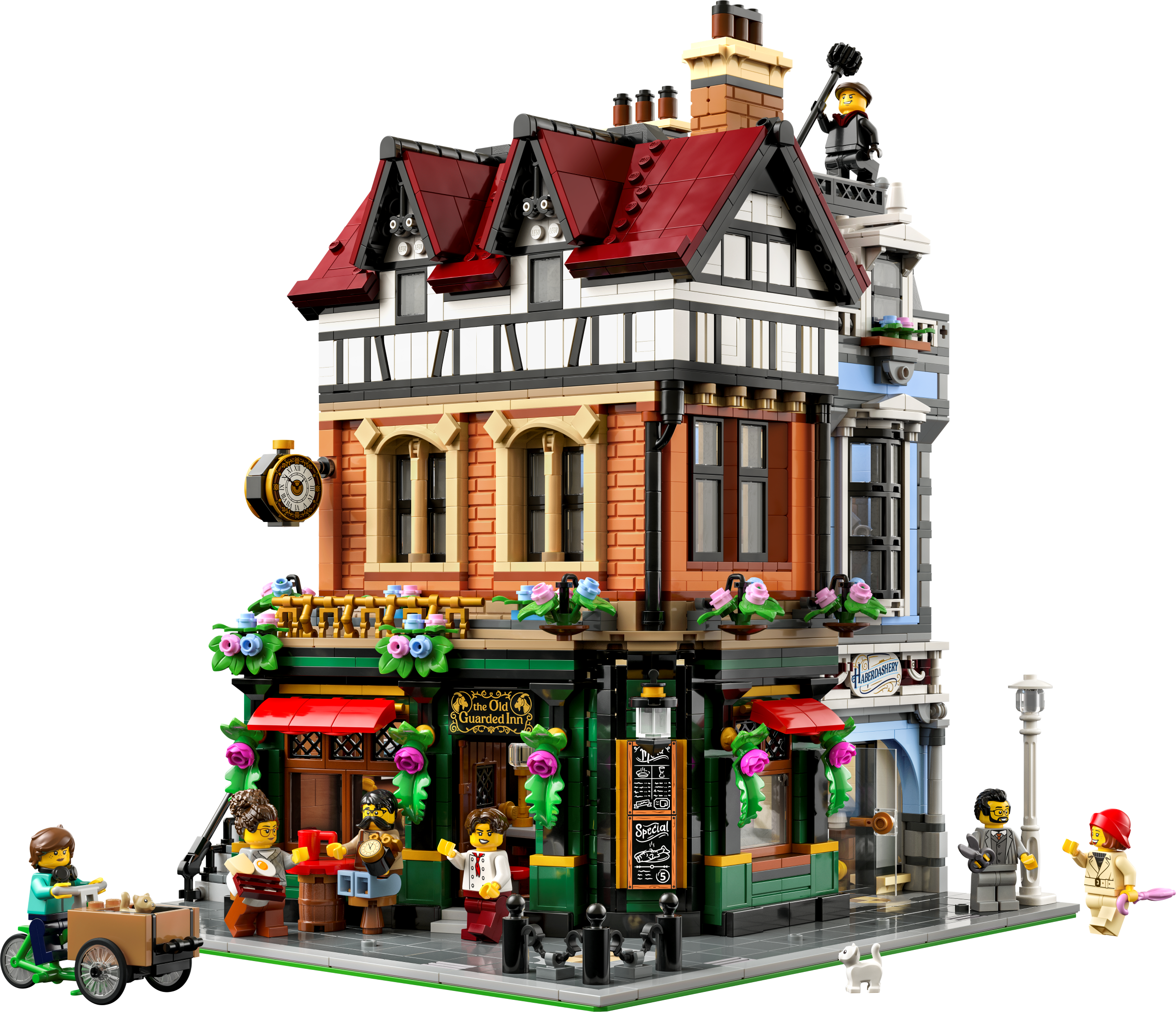 Tudor Corner
Piece counts and retirement status come from our catalog when this page loads. LEGO retires a modular most years and adds one each January, so a card marked "Retired at LEGO" means the set has left LEGO's own range since we wrote this.
If you need a corner
Tudor Corner, the 2025 release. Half-timbered and steep-roofed, it gives a street its first period building, and its corner closes a run neatly. The default second modular for anyone who started mid-block, and the only corner still sold new.
If you need a straight run

The Natural History Museum, the largest modular still sold new. Wide, classical and full of exhibits inside; it anchors the middle of a street and needs a corner beside it to look finished.
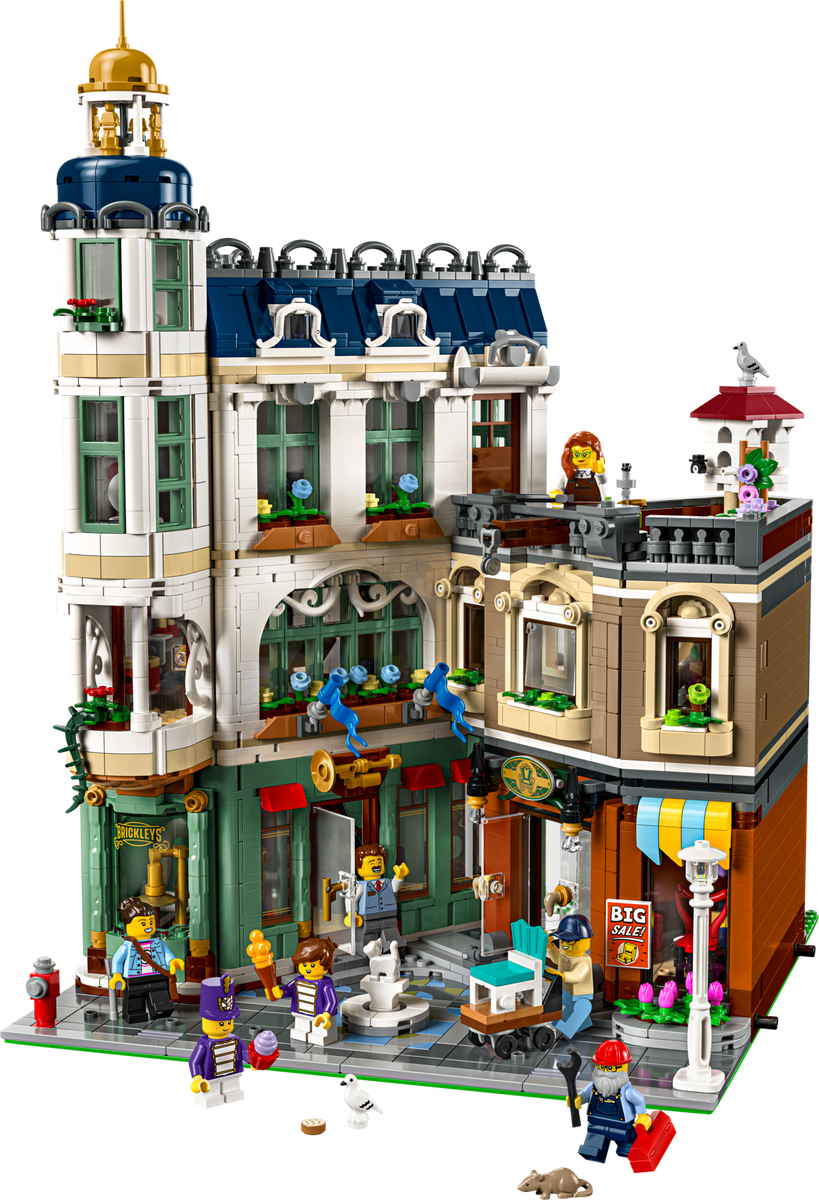
Shopping Street, the 2026 modular. The newest way to extend a run, and the set to look at if the Museum is too formal for your street. Its set page has the footprint details; check whether it is a corner or a mid-block building against what you already own.
Choosing by era
Once you know the shape you need, pick by the story your street tells. Tudor Corner pulls toward an old town, and it pairs naturally with the retired Medieval Town Square if you can find one. The Museum pulls toward a civic downtown, and Shopping Street toward a high street of shopfronts. None of these clash badly, because the modular footprint and pavement unify everything, but a street with a consistent era photographs better and reads more convincingly than a random one.
Retired modulars: worth it as a second?
 Boutique Hotel
Earlier modulars still connect perfectly, and several are much loved. The cards below show what the market is asking today; every one of these has retired at LEGO. Retired sets trade above their original price on the secondary market, so as a second purchase they buy you the same street real estate for more money, with the added risks of missing pieces and resealed boxes. The honest advice is to build your street from the current sets and treat retired ones as the completist's purchases later, when you know which buildings you actually miss.
The Boutique Hotel, the 2022 corner. Mediterranean, pastel and tall, it pairs with brighter mid-block buildings. Retired at LEGO; the corner to hunt for if Tudor Corner is too dark for your street.

The Jazz Club, with a pizzeria attached. Two narrow fronts in one set, which gives a short street more visual rhythm than a single wide facade. Retired at LEGO.
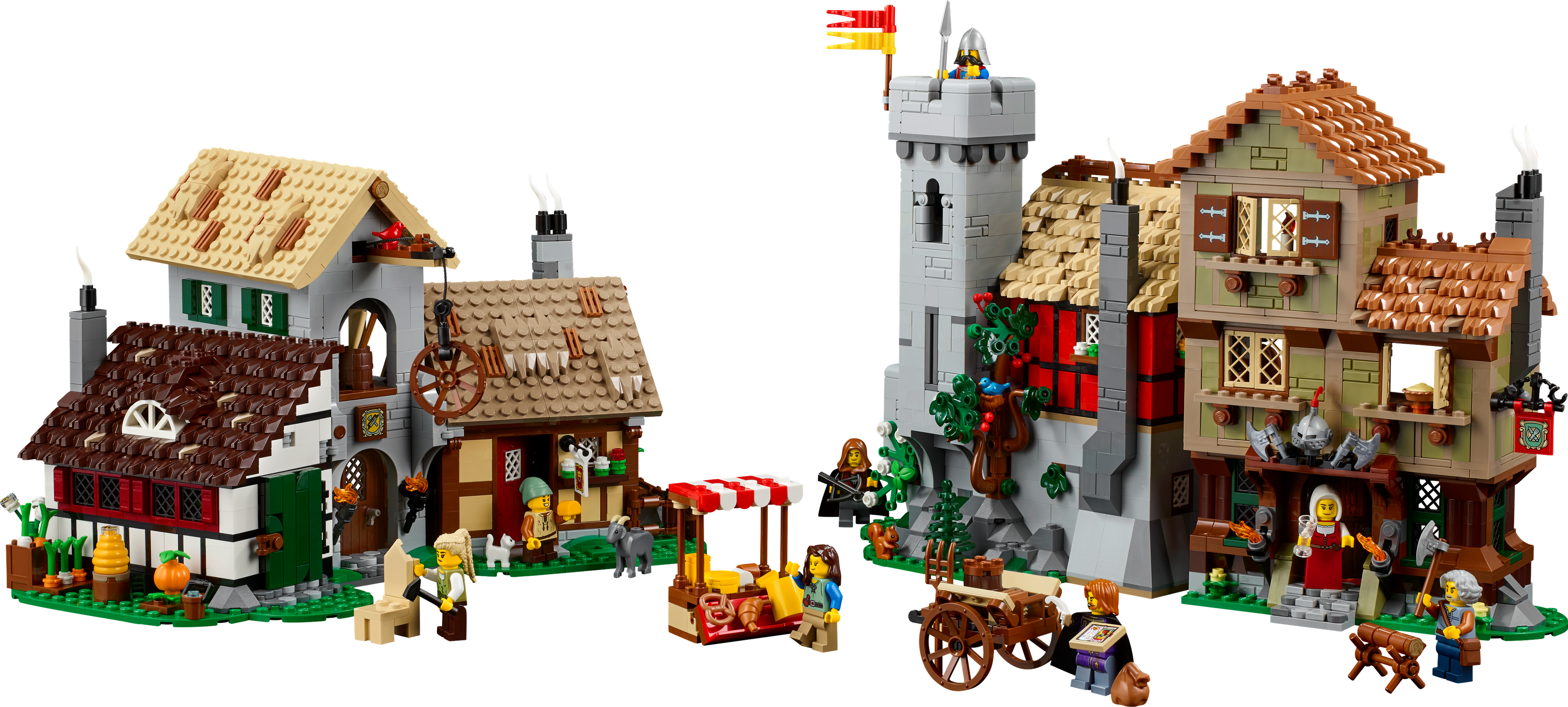
The Medieval Town Square is not badged as a modular but shares the footprint and connections, and it sits naturally beside Tudor Corner. Retired at LEGO, so a secondhand purchase for a period street.
Further back, the Bookshop, the Police Station, the Corner Garage and the double-width Assembly Square are the ones collectors most often go back for. All four retired years ago.
The decision tree
- First was mid-block, you want a corner: Tudor Corner, the only corner still sold new.
- First was a corner, you want a centrepiece: the Natural History Museum.
- First was a corner, you want the newest set: Shopping Street.
- You want a period street: Tudor Corner now, and the retired Medieval Town Square secondhand when you find one at a price you can live with.
- You want the Jazz Club or the Boutique Hotel specifically: both have retired; buy from a seller you can return to, and expect to pay more than the original price.
Still deciding on your first? Read which modular to buy first, or our ranking of the modulars on sale.
How this guide was made
Set names, piece counts and retirement status on this page come from our catalog and update automatically. The recommendations are editorial judgement based on the published designs and builder consensus, rather than our own builds of every set. Buy links are affiliate links, disclosed on every page.