





The Shell Tanker Wagon is a classic piece of LEGO train history.
Before you buy
The Shell Tanker Wagon is a classic piece of LEGO train history. Released in 1986 as part of the 12V train system, this set evokes a sense of nostalgia for older LEGO fans and train enthusiasts alike. Its simple design captures the essence of a vintage tanker wagon, making it a charming addition to any LEGO train layout.
This set is perfect for LEGO train collectors and those looking to expand their vintage LEGO collection. The build is straightforward and quick, making it a great introductory set to the 12V train system. Displaying it with other vintage train sets creates a wonderful diorama.
Skip this if you're primarily interested in modern, highly detailed LEGO sets. The design is simple compared to contemporary LEGO models. Consider modern LEGO train sets like the Cargo Train 60198-1 for more advanced building techniques and features.

AI assistant with full set data
Not Financial Advice: Content is for educational purposes only. Past performance doesn't guarantee future results. Full disclaimer
The piece count includes the 4 parts inside the set's minifigures, which this inventory lists separately. Spare parts are counted in neither figure.
Missing a piece? Check this set piece by piece, with look-alike colors flagged and element IDs for replacements.
 Minifig Simple Ho...
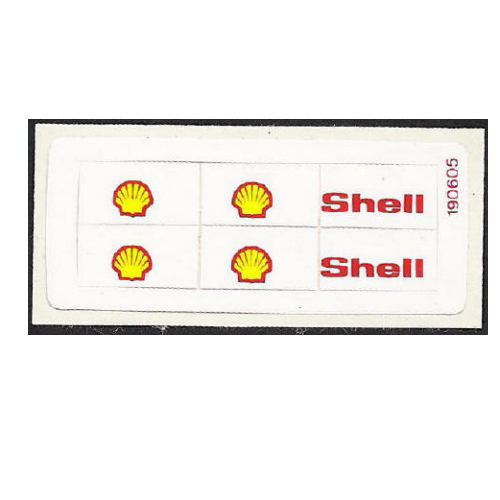 Sticker Sheet for...
 Lever Small Base ...
 Brick 2 x 4
 Brick 2 x 4
 Brick 1 x 2
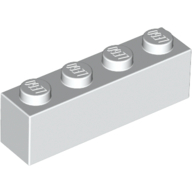 Brick 1 x 4
 Plate 2 x 4
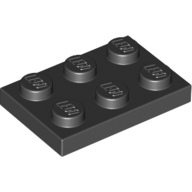 Plate 2 x 3
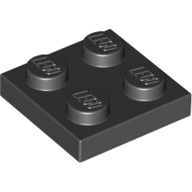 Plate 2 x 2
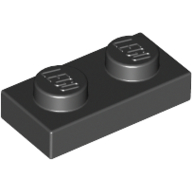 Plate 1 x 2
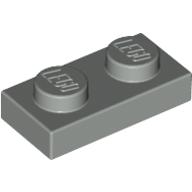 Plate 1 x 2
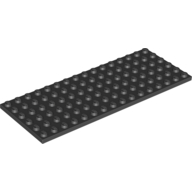 Plate 6 x 16
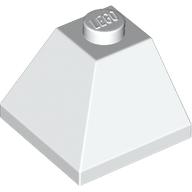 Brick Sloped 45° ...
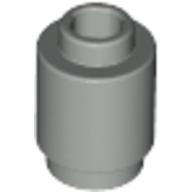 Brick Round 1 x 1...
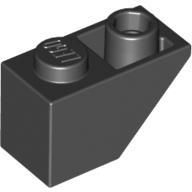 Brick Sloped Inve...
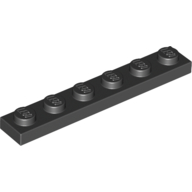 Plate 1 x 6
 Brick Sloped Inve...
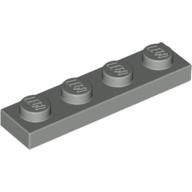 Plate 1 x 4
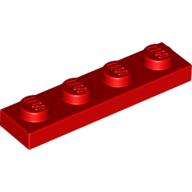 Plate 1 x 4
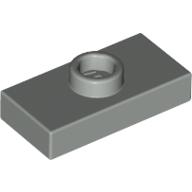 Plate Special 1 x...
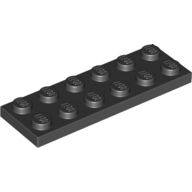 Plate 2 x 6
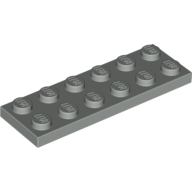 Plate 2 x 6
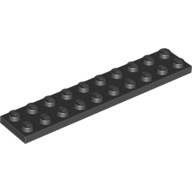 Plate 2 x 10
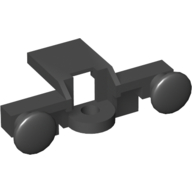 Train Buffer Beam
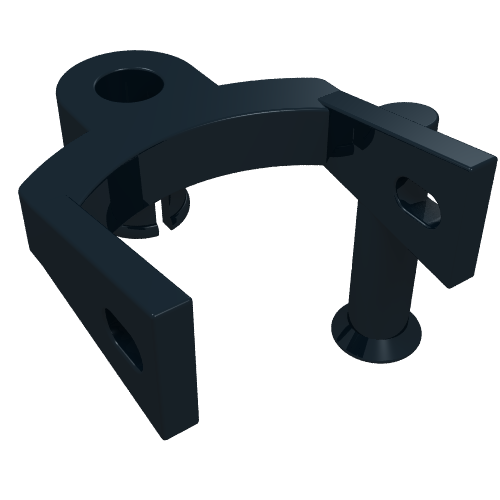 Train Coupling
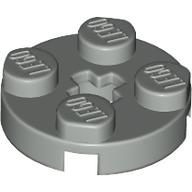 Plate Round 2 x 2...
 Bar 1 x 4 x 2 wit...
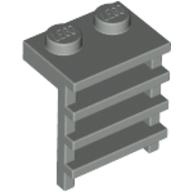 Plate Special 1 x...
![Wheels Train Spoked Small (23mm D.) and Black Brick, Modified 2 x 4 [Black]](https://cdn.rebrickable.com/media/parts/ldraw/0/4180c02.png) Wheels Train Spok...
Wheels Train Spok...
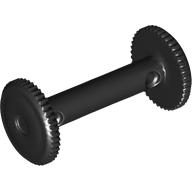 String Reel 2 x 4...
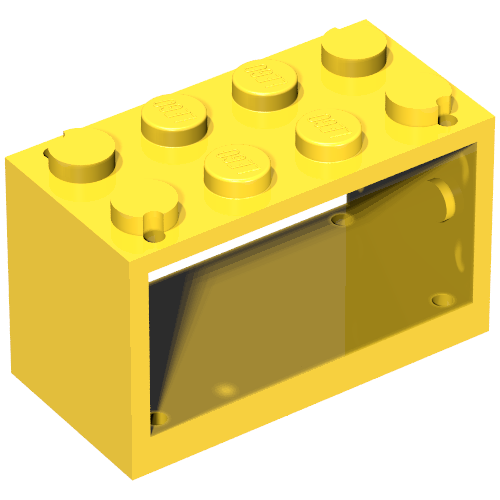 String Reel 2 x 4...
 Magnet Cylindrical
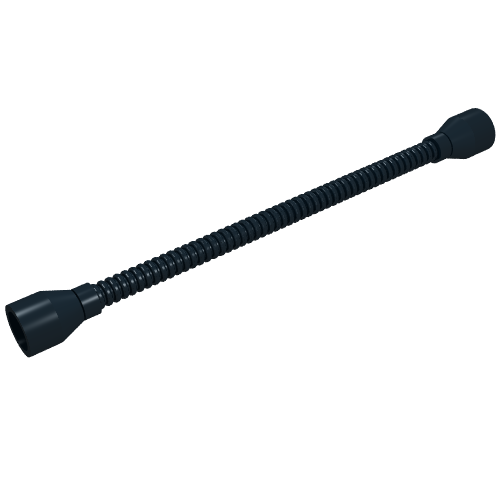 Flexible Hose 8.5...


LEGO YouTubers, particularly BrickTsar, showcase vintage Shell Tanker Wagon sets from 1975 (Set 136) and 1986 (Set 7813). The overall sentiment is neutral, focusing on reviews and presentations of these classic LEGO train sets and related vintage items.
BrickTsar features the 7813 Shell Tanker Wagon from 1986 and the older 136 Shell Tanker Wagon from 1975, highlighting their vintage nature and place within the LEGO train system. The reviews are descriptive, showing the sets' components and context without expressing strong positive or negative opinions.
 Inventory Statistics
The piece count includes the 4 parts inside the set's minifigures, which this inventory lists separately. Spare parts are counted in neither figure.
Missing a piece? Use the Missing Piece Checker.
Matched on the parts and colors each set has in common with this one, with rare pieces counting for more than the plates every set has.