
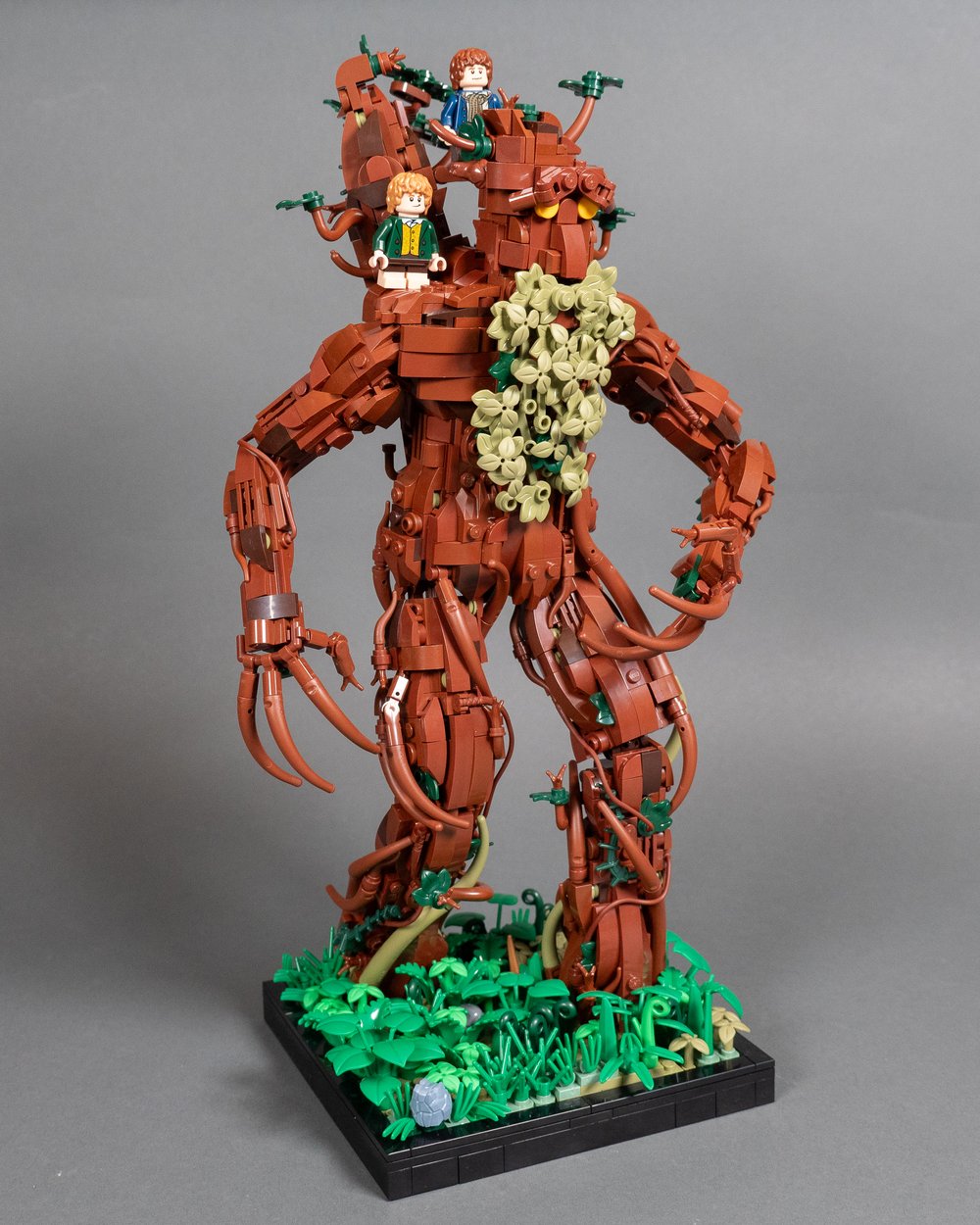
Lush Landscaping: A Builder’s Part Guide to LEGO Foliage
 BlockTalk Summary
This article delves into the evolution of LEGO foliage, offering insights into creating lush and detailed landscapes in your LEGO builds. The author, @BrickBuiltJosh, shares tips and techniques for achieving a vibrant and realistic look, emphasizing the importance of utilizing various LEGO plant parts.
The article highlights the progression of LEGO botanical elements, from the early days of basic tree parts and flower stems to the more intricate and diverse options available today. The author fondly recalls classic elements like the flat flower pieces and the iconic evergreen tree. Some of these older parts are still in use, even being repurposed in new ways, such as the old palm leaves from 1994 being used as fir foliage in a wreath. The article emphasizes the enduring value of certain parts, like the leafy branches in two sizes, which have been around since 1987 and remain a staple for creating trees, ground foliage, and vining plants.
The author provides practical advice on using these classic parts in modern builds, such as angling the leafy branches to create interesting off-grid plant positioning. The grid of rod holes in the branches allows for creative placement of plants with rod bases. This technique was used in the author's Muppet Monster Mashup Mansion and Dragon Airship builds.
For LEGO enthusiasts looking to enhance their landscaping skills, consider exploring the vast array of LEGO botanical elements available. You might also want to consider a LEGO storage organizer to keep all those small parts organized.
Want to take your LEGO landscaping to the next level? Discover how classic and unconventional parts can create lush, vibrant foliage that brings your builds to life.
Read the Full Article
This is a summary. Read the complete story at BrickNerd.