
Scaling LEGO MOCs: Minifigure, Micro, and Jumbo Scale Guide
Supporting Free Content
When you purchase through our links, we earn a small commission at no extra cost to you. As an Amazon Associate and eBay Partner, this helps us keep bringing you expert LEGO® reviews and guides. Thank you for your support!
Embarking on the exciting journey of building your own LEGO creations, or MOCs (My Own Creations), opens up a universe of possibilities limited only by your imagination and, crucially, your understanding of scale. Whether you dream of crafting sprawling cities for your minifigure inhabitants, miniature renditions of world-famous landmarks, or colossal brick-built sculptures, mastering LEGO MOC scaling – Minifigure, Micro, and Jumbo – is the key to bringing your visions to life with precision and impact. This guide will walk you through each scale, help you choose the right one for your projects, and recommend the best LEGO sets to kickstart your creative endeavors.
Understanding LEGO MOC Scales: The Foundation of Creative Building
In the vibrant world of LEGO, a MOC (My Own Creation) is any model designed and built by a fan rather than following official instructions. This creative freedom is a major draw for builders of all ages. One of the most fundamental decisions when planning a MOC is determining its scale. Scale dictates the relationship between your LEGO model and the real-world (or fictional-world) object it represents. Understanding the different scales isn't just about accuracy; it's about making deliberate design choices that affect part usage, complexity, display footprint, and overall aesthetic.
The LEGO community has organically developed several widely recognized scales, each with its unique characteristics and challenges. These scales allow builders to communicate their intentions and appreciate the intricate details or grand scope of others' creations. With the growing interest in MOC building, fueled by communities on platforms like Rebrickable and LEGO Ideas, builders are constantly seeking versatile parts and inspiration for their unique projects. Knowing your scale helps you:
- Plan effectively: Estimate part requirements and complexity.
- Maintain consistency: Ensure all elements within a MOC feel cohesive.
- Achieve desired impact: Create models that evoke awe, charm, or realism.
- Source parts efficiently: Identify which types of elements are most crucial for your chosen scale.
Key Takeaways: Why Scale Matters
- Creative Expression: Scale is a core artistic choice, influencing how your MOC is perceived.
- Part Management: Different scales demand different types and quantities of bricks.
- Community Standard: Understanding scale helps you connect and share with other MOC builders.
Minifigure Scale: The Classic & Playable World
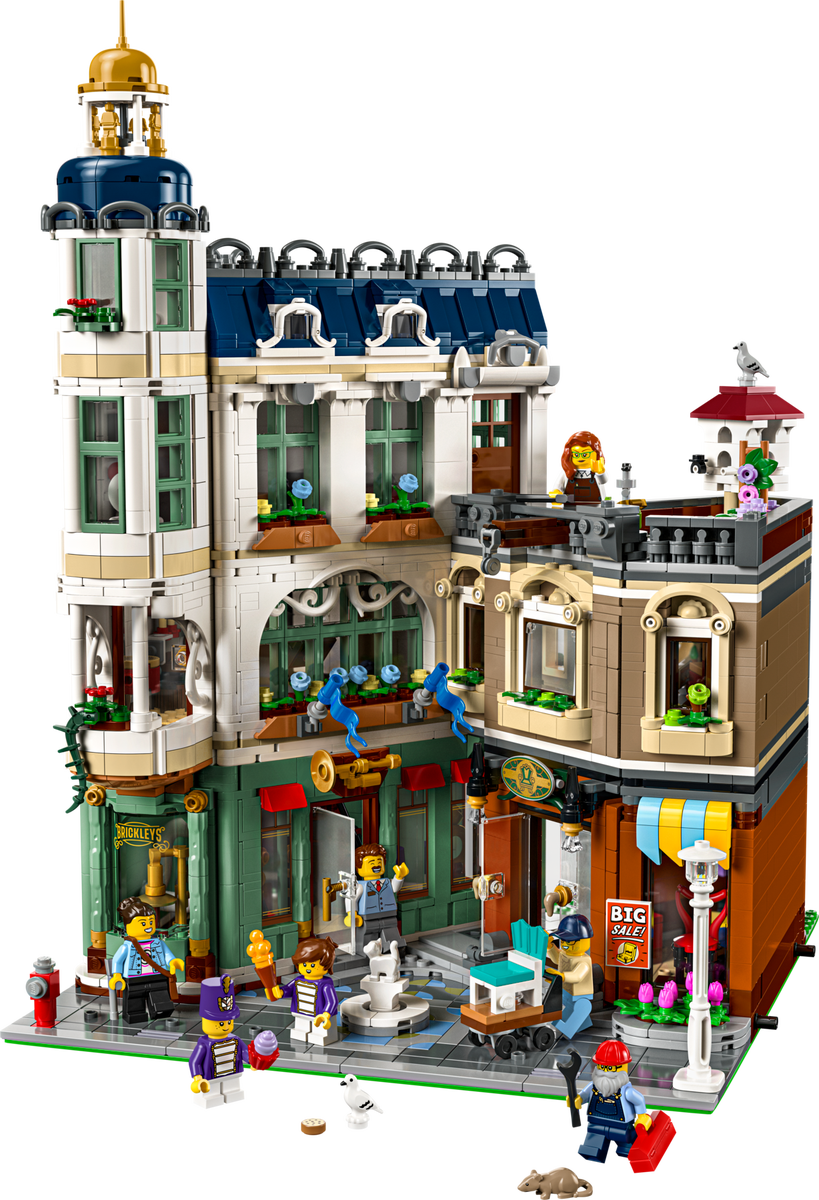
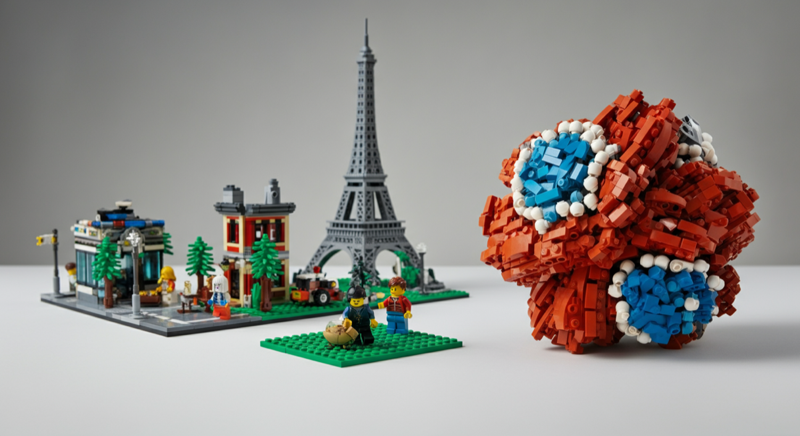
Minifigure scale is arguably the most recognizable and widely adopted scale in the LEGO universe, defining the vast majority of official LEGO sets in themes like City, Creator, Friends, and many licensed properties. It's designed around the iconic LEGO minifigure, which stands approximately 4 cm (1.5 inches) tall.
While there isn't a single, universally agreed-upon conversion ratio due to the stylized nature of minifigures, common approximations place the minifigure scale somewhere between 1:38 and 1:48. This means that roughly one LEGO stud represents about one foot in the real world. This scale is perfect for creating environments, vehicles, and structures that feel proportionate to the minifigures that inhabit them, enhancing playability and storytelling.
Why Build in Minifigure Scale?
- Relatability: It's the scale most builders are familiar with, making it easy to integrate official sets and characters.
- Playability: Designed for interaction, allowing minifigures to "live" and "work" within your creations.
- Detail Potential: Offers a good balance between manageable size and the ability to incorporate intricate details like furniture, controls, and architectural features.
- Abundant Parts: The vast majority of LEGO elements are designed with minifigure scale in mind, making part sourcing relatively straightforward.
Challenges of Minifigure Scale
- Space Requirements: Even a modest minifigure-scale MOC can take up significant display space.
- Part Count: Achieving realism and detail often requires a high piece count.
- Proportionality: Maintaining consistent proportions across different elements (e.g., vehicles, buildings) can be tricky.
Recommended Sets for Minifigure Scale MOCs
To excel in minifigure scale, you'll want sets that offer a good variety of structural elements, common colors, and unique details. Modular buildings, City sets, and Creator 3-in-1 sets are fantastic starting points for their versatile parts.
- : The Modular LEGO Store (2124 pieces) is an exceptional choice. While an official BrickLink Designer Program set, its modular design provides a rich array of bricks, windows, doors, and architectural details perfect for expanding your minifigure-scale city or creating entirely new buildings. It's a goldmine for advanced builders looking for specific elements to elevate their MOCs.
- LEGO City sets: These sets are purpose-built for minifigure interactions, offering a fantastic array of vehicles, buildings, and accessories. When "unbuilding" these sets, you'll acquire a diverse collection of pieces ideal for crafting anything from police stations and firehouses to bustling streets and parks.
- LEGO Creator 3-in-1 sets: Known for their versatility, these sets provide a great foundation of common bricks, plates, and slopes, encouraging builders to dismantle and rebuild. They are excellent for developing structural integrity and architectural styles for minifigure-scale projects.
Micro Scale: Capturing Grandeur in Miniature
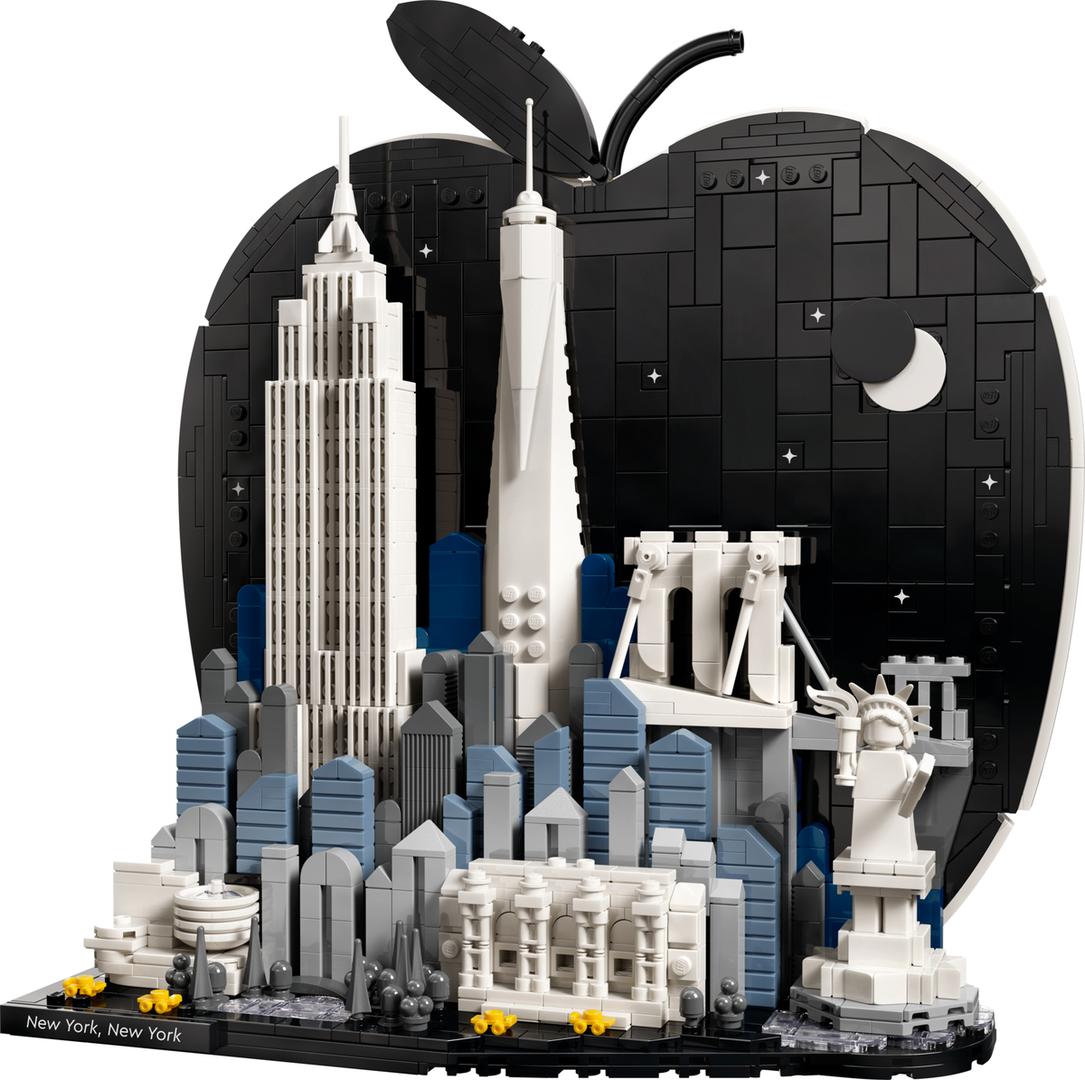
Micro scale building is all about condensing large-scale objects, landscapes, or even entire cities into a compact, often abstract, representation using smaller LEGO elements. Instead of building for minifigures, you're building *of* something much larger, where a single stud might represent many feet or even meters.
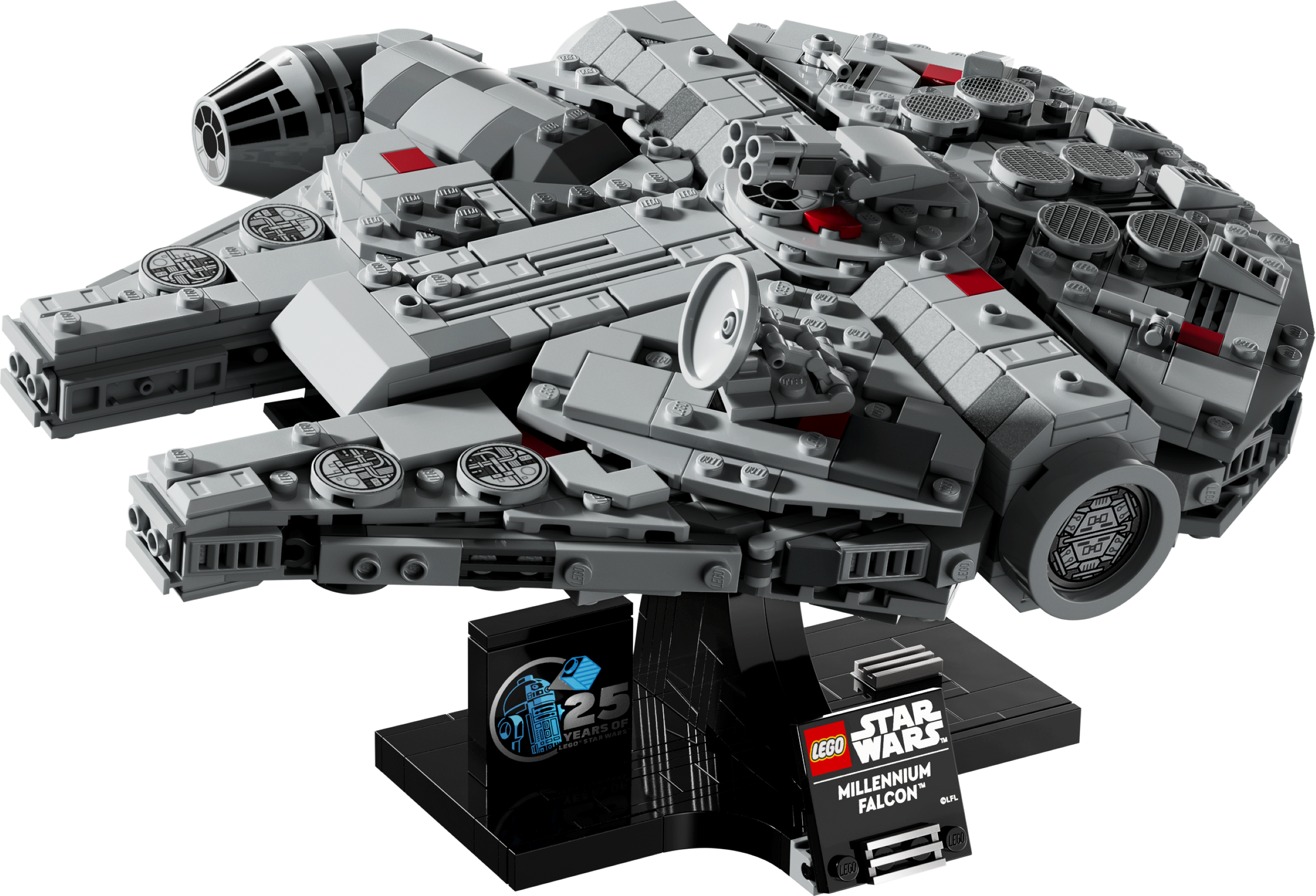
This scale is perfect for recreating vast structures like castles, skyscrapers, or starships, where a minifigure-scale version would be impractical due to size or part count. Micro-scale models often rely on clever part usage, color blocking, and simplified forms to convey the essence of the subject rather than every minute detail.
Why Build in Micro Scale?
- Space Efficiency: Build massive structures or landscapes that fit on a desk or small shelf.
- Creative Part Usage: Encourages innovative use of small elements, where a headlight brick might become a skyscraper, or a grille tile a textured facade.
- Lower Part Count (relatively): Often requires fewer pieces than minifigure or jumbo scale for a comparable subject, making it more accessible.
- Unique Aesthetic: Offers a distinct, almost artistic, representation that emphasizes form and silhouette.
Challenges of Micro Scale
- Recognizability: Achieving enough detail to make the subject identifiable without making it too large can be difficult.
- Small Elements: Requires a good collection of small plates, tiles, and specialized tiny parts.
- Lack of Interior Detail: Interiors are rarely possible or relevant at this scale.
Recommended Sets for Micro Scale MOCs
For micro-scale building, you'll benefit from sets that provide a wealth of small plates, tiles, SNOT (Studs Not On Top) bricks, and unusual elements that can represent architectural details or landscape features.
- : The Micro Building Set (1657 pieces) is explicitly designed for this scale, making it an obvious and excellent choice. It will provide a fantastic array of small bricks, plates, and slopes in various colors, ideal for creating intricate miniature structures or entire cityscapes.
- : The LEGO Campus (1494 pieces) is another brilliant example of micro-scale architecture. This exclusive set provides not only a beautiful display piece but also a diverse collection of elements commonly used in micro-scale, such as small plates, tiles, and structural components that can be repurposed for your own miniature projects.
- : The LEGO Story (1443 pieces), from the BrickLink Designer Program, often features micro-scale representations of historical LEGO products or scenes. Dismantling this set can yield a treasure trove of parts useful for creating small, detailed models that tell a story in miniature.
- LEGO Architecture sets: These sets are masters of micro-scale, recreating iconic landmarks and city skylines. They are an invaluable source of inspiration and specialized small parts for any aspiring micro-scale builder.
Jumbo Scale: Bigger, Bolder, Beyond Minifigures
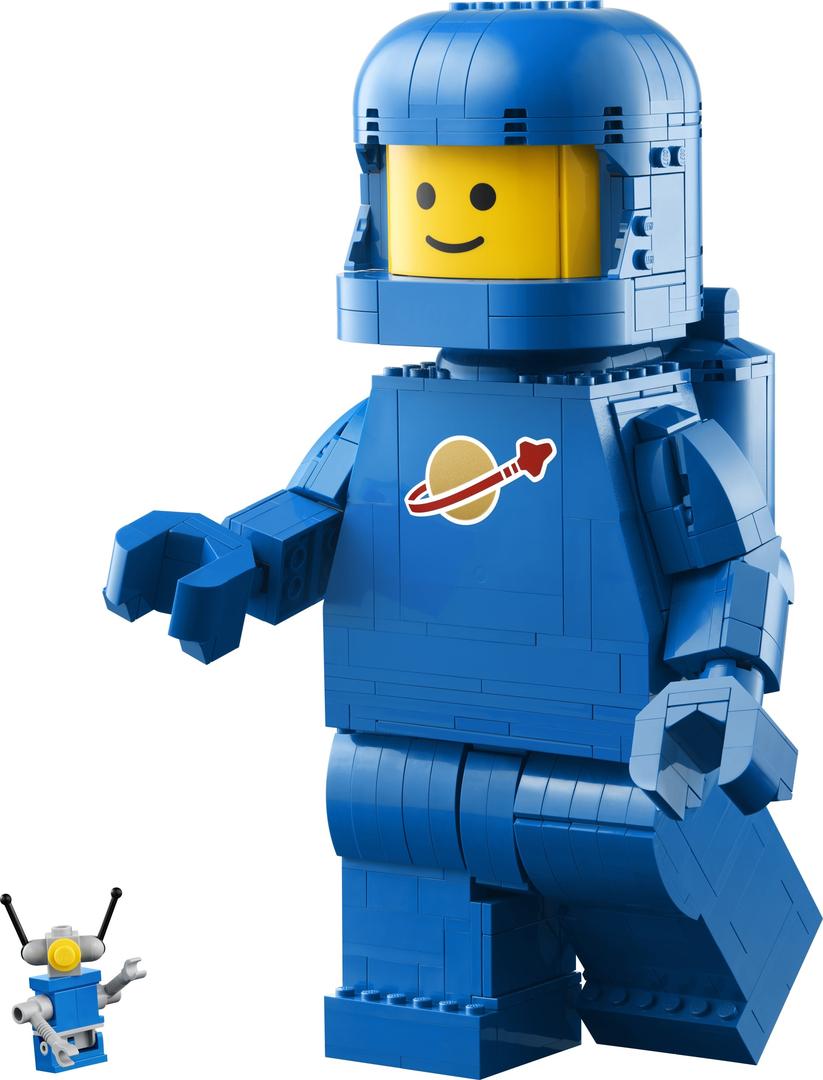
Jumbo scale, also sometimes referred to as 'statue scale' or 'display scale,' involves building models significantly larger than minifigure scale. This can mean a brick-built minifigure that stands several feet tall, an enormous animal sculpture, or a highly detailed, larger-than-life representation of an object. Jumbo scale MOCs are often impressive display pieces, focusing on artistic expression, intricate shaping, and making a grand statement.
At this scale, minifigures themselves might become tiny details, or even be used as individual parts within the larger structure. The emphasis shifts from playability to aesthetic impact and the sheer engineering challenge of creating a stable, detailed, and visually striking model.
Why Build in Jumbo Scale?
- Visual Impact: Jumbo MOCs are showstoppers, commanding attention with their size and detail.
- Artistic Expression: Allows for incredibly detailed sculpting, intricate textures, and realistic shaping not possible at smaller scales.
- Engineering Challenge: Requires significant planning for structural integrity, weight distribution, and stability, offering a rewarding building experience.
- Unique Display Pieces: Perfect for public exhibitions, home decor, or creating a truly personal masterpiece.
Challenges of Jumbo Scale
- Part Count & Cost: Requires an immense number of bricks, which can be expensive and time-consuming to acquire.
- Space Requirements: Jumbo MOCs need substantial space for both building and display.
- Weight & Stability: Ensuring the model is structurally sound and won't collapse requires advanced building techniques.
- Time Commitment: These projects can take hundreds of hours to complete.
Recommended Sets for Jumbo Scale MOCs
For jumbo-scale projects, you'll need large quantities of basic bricks, plates, and specialized sculpting elements. Sets designed as large sculptures or those offering a high piece count of common elements are ideal.
- : The Lego Minifigure (1850 pieces) is the quintessential jumbo-scale model. Building a minifigure *out of* LEGO bricks perfectly exemplifies this scale, providing an excellent learning experience in shaping and structural techniques required for large-scale figures.
- : The Lego Dragon (1535 pieces) is another fantastic example of a large, sculpted model. It offers a wealth of curved slopes, plates, and specialized elements perfect for organic shapes and detailed textures, which are crucial for creating impressive jumbo-scale creatures or figures.
- Lego Mosaic Dino, Lego Mosaic Cat, Lego Mosaic Johnny Thunder: These high-piece-count mosaic sets (2847, 2127, 2127 pieces respectively) are excellent for sourcing large quantities of plates in specific color palettes. While mosaics are a flat art form, the principle of using many small elements to create a large, impactful image aligns with the "grand statement" aspect of jumbo scale. They are perfect for builders looking to create large, detailed panels or backdrops for their jumbo MOCs, or even to break down for a massive supply of 1x1 tiles and plates.
- : LEGO Factories National Animals (1601 pieces) could inspire large-scale animal builds. This set provides a good mix of pieces for organic shapes and colors, making it a valuable resource for those tackling detailed, jumbo-scale creature MOCs.
Sourcing Parts for Your Epic MOCs
Regardless of the scale you choose, a critical aspect of MOC building is acquiring the necessary parts. Unlike building official sets, MOCs often require specific elements in particular colors and quantities that might not be available in a single box. Here's how to build your brick arsenal:
1. "Unbuilding" Existing Sets
Many MOC builders start by dismantling sets they already own. This is a cost-effective way to accumulate a diverse collection of bricks. Look for sets with a good variety of shapes, colors, and piece counts.
- : The Bonus Lego Basic Town (2542 pieces) is a universal building set that lives up to its name. With a substantial piece count and a variety of basic elements, it's a fantastic foundation for any MOC builder, especially for those looking to build minifigure-scale towns or structures.
- : The Giant Lego Topic Set (2195 pieces) is another excellent universal set. Its large piece count ensures a wide selection of bricks, plates, and specialty elements, making it ideal for builders needing a versatile inventory for larger projects across different scales.
- : The Giant Lego Dacta Basic Set (1417 pieces) also provides a solid foundation of basic bricks. Dacta sets were designed for educational purposes, often featuring a good mix of fundamental elements perfect for creative construction.
- LEGO Classic Creative Brick Boxes: These are perennial favorites for MOC builders. They come in various sizes and price points (many in the $20-$60 range), offering a great mix of common bricks in a wide color palette, perfect for beginners and seasoned builders alike to expand their general parts collection.
2. Bulk LEGO Purchases
Buying LEGO in bulk from online marketplaces like BrickLink, eBay, or local sellers can be a great way to get a large quantity of bricks. Be mindful of quality and completeness when buying used bulk.
3. LEGO Pick a Brick & Bricks & Pieces
LEGO's official online Pick a Brick service and Bricks & Pieces allow you to order specific elements directly. This is invaluable for getting those exact pieces you need to finish a detailed MOC or acquire many common parts in a specific color.
4. Specialized Stores & Conventions
Some LEGO Stores have a "Pick a Brick" wall where you can fill a cup with chosen elements. LEGO conventions often have vendors selling loose parts or custom element packs.
Quick Scale Comparison Table
Here's a concise overview of the three main LEGO MOC scales:
| Scale | Approx. Ratio (General) | Key Characteristics | Best For | Challenges |
|---|---|---|---|---|
| Minifigure | 1:38 to 1:48 | Playable, detailed, human-centric environments | Cities, vehicles, buildings, scenes with characters | Space, high part count for large scenes |
| Micro | 1:150 to 1:1000+ | Compact, abstract, essence over detail | Landmarks, cities, large ships, landscapes | Recognizability, need for small/specialized parts |
| Jumbo | Larger than 1:1 (e.g., 2:1, 4:1) | Massive, artistic, highly detailed sculptures | Statues, large animals, art installations | Part count, cost, stability, display space |
What to Consider When Buying for Your MOCs
When selecting LEGO sets or bulk bricks with MOCs in mind, consider these factors to make informed buying decisions:
- Piece Variety vs. Quantity: Do you need a wide range of unique pieces for detail (e.g., Technic pins, SNOT bricks) or a large quantity of common bricks for structure and mass? Sets like the offer variety, while offers quantity.
- Color Palette: Are you aiming for realism with muted tones, or a vibrant, fantastical creation? Some sets offer a broad spectrum of colors, while others focus on a specific theme (e.g., black and grey for space, greens and browns for nature). Mosaic sets like provide a specific, large palette of small plates.
- Specialized Elements: Does your MOC require specific elements like large baseplates, specific vehicle parts, or unique minifigure accessories? Some sets are better for these than others.
- Budget: Large sets offer a better price-per-piece ratio but require a larger upfront investment. Smaller sets or bulk purchases can be more budget-friendly for specific needs. Many MOC builders find good value in sets within the $20-$60 range for their versatility.
- Storage: Consider where you'll store your growing collection of loose bricks. Organization is key for efficient MOC building.
- Target Project Scale: Always keep your intended scale in mind. Micro-scale projects will thrive with small plates and tiles, while jumbo builds demand a high volume of basic bricks and larger structural elements.
Conclusion
The world of LEGO MOCs is a boundless playground for creativity, and understanding the nuances of Minifigure, Micro, and Jumbo scales is your passport to building whatever your imagination conjures. Each scale offers unique opportunities and challenges, allowing you to tell different stories, evoke varied emotions, and tackle distinct engineering feats. Whether you're populating a detailed minifigure city with the parts from PRODUCT_LINK[Item Number: 910009-1], crafting a breathtaking miniature landscape with elements from PRODUCT_LINK[Item Number: 9324-1], or constructing a monumental brick-built figure using the principles learned from PRODUCT_LINK[Item Number: 3723-1], the journey is incredibly rewarding. So grab your bricks, choose your scale, and start building your next masterpiece!
Unlock your LEGO MOC potential! Explore Minifigure, Micro, and Jumbo scales with our comprehensive guide, expert tips, and top product recommendations to build your dream creations.
LEGO MOCs, LEGO scale guide, Minifigure scale, Micro scale, Jumbo scale, LEGO building tips, LEGO parts, custom LEGO, AFOL, Rebrickable, LEGO Ideas
Dive into the world of LEGO MOCs (My Own Creations) and master the art of scaling. Learn about Minifigure, Micro, and Jumbo scales, discover how to choose the right one for your projects, and find the best LEGO sets to inspire your next brick-built masterpiece. This guide covers everything from planning to part sourcing, helping you build with confidence and creativity.
Q: What does MOC stand for?
A: MOC stands for "My Own Creation." It refers to any LEGO model that has been designed and built by an individual fan, rather than following official LEGO instructions from a set. MOCs are a cornerstone of the adult fan of LEGO (AFOL) community and a popular way for younger builders to explore their creativity.
Q: How do I choose the right scale for my LEGO MOC?
A: Choosing the right scale depends primarily on your vision for the MOC. Consider the following:
1. Subject Matter: Is it a small object you want to detail (Minifigure or Jumbo), or a huge landmark you want to represent compactly (Micro)?
2. Desired Detail: How much intricate detail do you want to include? Minifigure and Jumbo scales allow for more, while Micro scale relies on abstraction.
3. Available Space: How much physical space do you have for building and displaying? Micro scale is space-efficient, while Jumbo scale requires significant room.
4. Part Availability/Budget: Do you have access to a large quantity of parts (Jumbo) or prefer to work with a more modest collection (Micro)?
Start with a scale you're comfortable with and experiment!
Q: Can I combine different scales in one LEGO MOC?
A: Yes, absolutely! While a single MOC typically adheres to one primary scale for consistency, it's common to see elements of different scales used creatively.
Brick by Brick Editorial Team
LEGO collecting, building techniques, and set reviews
A team of passionate LEGO enthusiasts dedicated to helping collectors and builders find the best sets.
View all articles by Brick →Use Our Tools to Go Further
Get more insights about the sets mentioned in this article with our free LEGO tools